


You’re pouring yourself a glass of cold milk when those irresistible puppy eyes lock onto yours. Your furry companion sits there, tail wagging, hoping for just a taste. But before you share, you pause and wonder can dogs drink milk safely?
As a breederl with years of experience treating digestive issues in dogs, I’ve seen countless cases where well-meaning pet parents unknowingly caused tummy troubles by sharing dairy products. The truth about dogs and milk consumption isn’t as straightforward as you might think.
We’ll explore everything you need to know about milk for dogs, from lactose intolerance to safe alternatives. Whether you’re concerned about your puppy’s nutrition or simply curious about dairy products for dogs, you’ll find evidence-based answers backed by veterinary science.
Key Takeaways:
- Most adult dogs are lactose intolerant and struggle to digest milk properly
- Small amounts of milk aren’t toxic but can cause digestive upset in many dogs
- Puppies should only drink their mother’s milk or specially formulated puppy replacers
- Water remains the healthiest and safest drink for dogs at all life stages
- Plant-based milk alternatives aren’t necessarily safer and may contain harmful ingredients
Understanding Dogs and Milk: The Lactose Problem
Should dogs drink milk? The short answer is that while milk isn’t toxic to dogs, it’s generally not recommended for regular consumption. The primary issue centers around lactose a natural sugar found in dairy products that many dogs cannot properly digest.
In my experience, I’ve observed that most adult dogs lack sufficient amounts of lactase, the enzyme responsible for breaking down lactose. This deficiency leads to what we call lactose intolerance in dogs, a condition that affects the majority of our four-legged friends.
Dogs are born with abundant lactase enzymes to help them digest their mother’s milk during the nursing period. However, once puppies are weaned typically around 6-8 weeks of age their bodies naturally reduce lactase production. This evolutionary adaptation makes sense because wild canines don’t have access to milk after weaning, so maintaining high lactase levels would be metabolically wasteful.
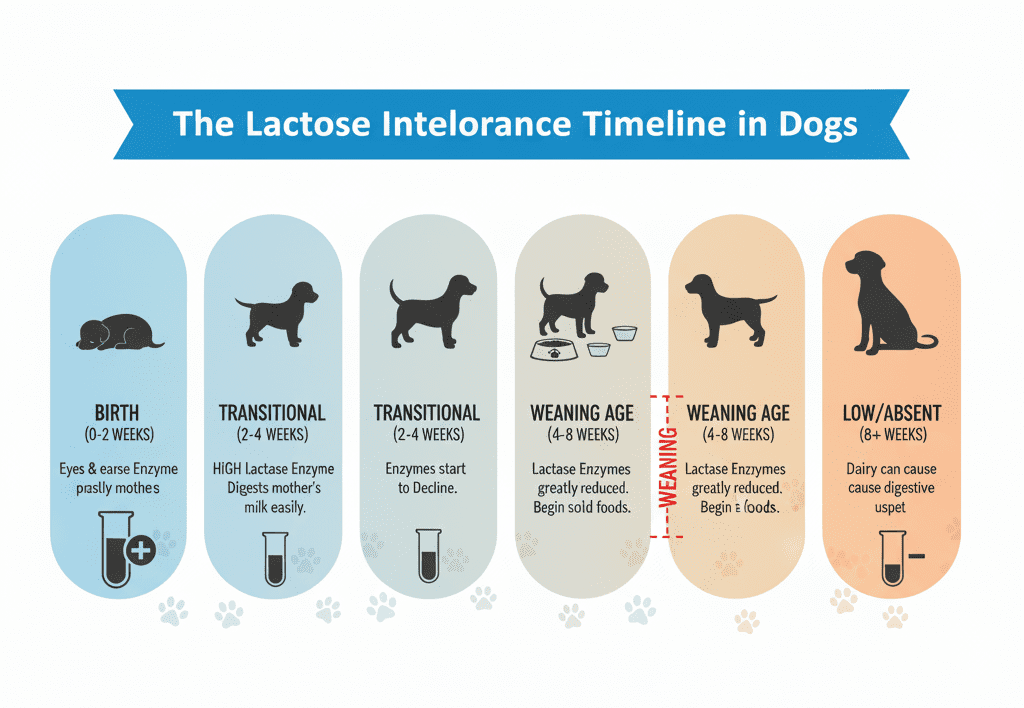
The Science Behind Canine Lactose Intolerance
When lactose-intolerant dogs consume milk, the undigested lactose molecules travel through their gastrointestinal tract. These sugar molecules draw water into the intestinal tissue, leading to inflammation of the large intestine and loose, watery stools. This process, known medically as osmotic diarrhea, explains why many dogs experience digestive distress within 12 hours of dairy consumption.
The severity of lactose intolerance varies significantly among individual dogs. Some may tolerate small amounts without issue, while others experience severe symptoms from just a few laps of milk. Unfortunately, there’s no simple test to determine your dog’s lactose tolerance level before offering dairy products.
Health Risks of Feeding Milk to Dogs
Beyond lactose intolerance, several other health concerns make milk a poor dietary choice for most dogs. As an experienced breeder and advisor, I always counsel dog owners about these potential dangers of feeding dogs milk.
Digestive Problems and Gastrointestinal Upset
Milk and dogs’ digestive systems simply don’t mix well for most canines. The high fat content in whole milk can overwhelm a dog’s digestive capacity, leading to a cascade of uncomfortable symptoms. Even dogs without severe lactose intolerance may experience bloating, excessive gas, abdominal discomfort, and changes in stool consistency.
In more serious cases, the rich fat content can trigger pancreatitis a painful and potentially life-threatening inflammation of the pancreas. I’ve treated numerous dogs whose pancreatitis episodes were linked to regular dairy consumption, making this a risk no pet parent should take lightly.
Weight Gain and Obesity Concerns
One often-overlooked issue with milk for dogs is its caloric density. A single cup of whole milk contains approximately 150 calories a significant portion of a small dog’s daily caloric needs. Since milk doesn’t provide a feeling of fullness like solid food, these liquid calories can quickly lead to weight gain.
Dogs consuming milk regularly face increased risks of obesity, which in turn contributes to joint problems, diabetes, heart disease, and reduced life expectancy. As a nutrition-focused practitioner, I emphasize that if dogs are eating a complete and balanced commercial diet, they’re already receiving all necessary nutrients without needing dairy supplementation.
Milk Allergies in Dogs
Separate from lactose intolerance, some dogs develop true allergies to milk proteins. Milk allergies represent one of the top food allergens affecting canine health. Unlike lactose intolerance symptoms that primarily affect the digestive system, milk allergies trigger immune responses that manifest as skin problems.
Dogs with milk allergies often exhibit persistent itching, red and irritated skin, chronic ear infections, and excessive scratching or licking. These symptoms can significantly impact your dog’s quality of life and require veterinary intervention to manage effectively.
Can Puppies Drink Milk? Special Considerations for Young Dogs
New puppy owners frequently ask about milk for puppies, especially when hand-raising orphaned litters. The guidelines for puppy milk consumption differ somewhat from adult dog recommendations, but important restrictions still apply.
Mother’s Milk: The Gold Standard
Puppy milk intake from their mother represents the only truly appropriate milk for newborn dogs. Canine milk differs significantly from cow’s milk in its nutritional profile. Mother’s milk contains higher protein levels, more calories per ounce, and less lactose than cow’s milk. Additionally, it provides crucial antibodies that protect puppies from common illnesses during their vulnerable early weeks.
In my years of breeding experience, I’ve seen firsthand how puppies thrive on their mother’s milk compared to any alternative. The specialized composition perfectly matches their developmental needs and digestive capabilities.
When Mother’s Milk Isn’t Available
Circumstances sometimes prevent puppies from nursing whether due to maternal death, rejection, or insufficient milk production. In these situations, never substitute cow’s milk or goat’s milk for puppies. The nutritional imbalances and higher lactose content can cause severe digestive problems and nutritional deficiencies.
Instead, commercial puppy milk replacers like Esbilac provide scientifically formulated nutrition that closely mimics canine milk composition. These products contain appropriate protein levels, reduced lactose, and essential nutrients for healthy puppy development. Always consult your veterinarian before choosing a milk replacement formula to ensure you select the best option for your puppy’s specific needs.

Types of Milk: What’s Safe and What to Avoid
Pet parents often wonder about different milk options for their dogs. Let’s examine various types of milk and their suitability for canine consumption.
Cow’s Milk
Traditional cow’s milk contains approximately 5% lactose and high fat levels that challenge most dogs’ digestive systems. While not toxic, cow’s milk frequently causes gastrointestinal upset in dogs. If your dog somehow tolerates dairy well, limit cow’s milk to occasional small amounts no more than a few tablespoons and monitor closely for adverse reactions.
Goat’s Milk for Dogs
Some advocates suggest goat’s milk as a gentler alternative because it contains slightly less lactose (4.2%) than cow’s milk and features smaller fat globules that may be easier to digest. Raw goat’s milk also provides natural probiotics that support gut health.
However, goat’s milk still poses lactose intolerance risks and shouldn’t be considered safe for all dogs. If you choose to offer goat’s milk, start with tiny amounts and watch carefully for signs of digestive distress.
Lactose-Free Milk Options
Lactose-free milk seems like an obvious solution for lactose intolerant dogs, but it’s not necessarily the answer. While removing lactose addresses the primary digestive concern, these products still contain high fat and calorie levels that contribute to weight gain and other health issues. Additionally, lactose-free milk provides no nutritional benefits that aren’t already present in quality dog food.
Plant-Based Milk Alternatives: Proceed with Caution
Many dog owners assume plant-based milks like almond, soy, oat, and coconut milk offer safer alternatives to dairy. Unfortunately, milk alternatives for dogs present their own set of problems.
Almond Milk: While almonds aren’t toxic to dogs in small amounts, almond milk often contains high fat levels and may include harmful additives. Some dogs develop allergic reactions to nuts, making almond milk risky.
Soy Milk: Soy contains compounds called phytoestrogens that may interfere with nutrient absorption. Many dogs also develop soy allergies, causing symptoms similar to other food sensitivities.
Oat Milk: Most commercial oat milk contains avenin, a protein linked to inflammatory responses and skin problems in sensitive dogs.
Coconut Milk: Although generally safer in small amounts, coconut milk’s high fat content can still cause digestive upset and contributes unnecessary calories.
The biggest danger with plant-based milk for dogs involves artificial sweeteners, particularly xylitol. This sugar substitute is extremely toxic to dogs, causing rapid insulin release that leads to hypoglycemia and potential liver failure. Even tiny amounts can be deadly. Always check ingredient labels carefully before offering any human food product to your dog.
Recognizing Lactose Intolerance Symptoms in Dogs
How do you know if your dog is lactose intolerant? Since most dogs have at least mild lactose sensitivity, understanding the warning signs helps you protect your pet’s health.
Common Symptoms to Watch For
Dogs experiencing lactose intolerance typically show symptoms within 12 hours of consuming dairy. The most frequent signs include:
- Diarrhea: Loose, watery stools represent the hallmark symptom of lactose intolerance
- Vomiting: Some dogs vomit shortly after consuming milk
- Gas and bloating: Excessive flatulence and visible abdominal distension
- Abdominal pain: Dogs may exhibit hunched posture, reluctance to move, or sensitivity when their belly is touched
- Loss of appetite: Discomfort often causes temporary reduced interest in food
- Gurgling stomach sounds: Audible intestinal activity indicates digestive distress
Mild vs. Severe Reactions
Lactose intolerance exists on a spectrum. Some dogs with mild cases may only show subtle symptoms like slightly softer stools or mild gas. Others experience severe reactions including profuse diarrhea, repeated vomiting, and significant abdominal pain requiring veterinary intervention.
The challenge lies in determining your individual dog’s tolerance without causing unnecessary discomfort. Given that commercial dog food provides complete nutrition, there’s simply no compelling reason to test your dog’s dairy tolerance through trial and error.
When to Contact Your Veterinarian
If your dog consumes milk and shows any concerning symptoms, monitor them closely. Contact your veterinarian immediately if:
- Symptoms persist beyond 12-24 hours
- Your dog shows signs of dehydration (dry gums, sunken eyes, lethargy)
- Vomiting or diarrhea appears severe or bloody
- Your dog seems lethargic or refuses to eat
- Puppies, senior dogs, or dogs with existing health conditions show any symptoms

[Insert Infographic Here: “Symptom Severity Scale” – Visual guide helping owners assess when symptoms require immediate veterinary attention vs. home monitoring]
The Best Drinks for Dogs: Safe Hydration Options
What should dogs drink instead of milk? The answer is refreshingly simple and backed by veterinary science.
Water: The Ultimate Dog-Friendly Drink
Fresh, clean water represents the only drink your dog truly needs. Water performs essential functions including transporting nutrients throughout the body, supporting normal digestion, lubricating joints, cushioning the brain and spinal cord, and regulating body temperature.
Ensure your dog has constant access to clean water, refreshing their bowl at least twice daily. During hot weather or after exercise, monitor water intake to prevent dehydration.
Bone Broth: A Nutritious Occasional Treat
Low-sodium bone broth made from chicken, beef, or lamb bones offers a safe and nutritious treat that many dogs love. Bone broth provides beneficial nutrients like collagen, glucosamine, and minerals while encouraging increased water intake in reluctant drinkers.
Prepare bone broth at home without added salt, onions, or garlic (which are toxic to dogs), or purchase commercial products specifically formulated for canine consumption. Offer bone broth as an occasional supplement rather than replacing water.
What to Absolutely Avoid
Never offer your dog these dangerous beverages:
- Coffee or tea: Contains caffeine, which is toxic to dogs and can cause serious complications
- Alcohol: Even small amounts cause alcohol poisoning in dogs
- Fruit juices: High sugar content and potential artificial sweeteners make juices inappropriate
- Energy drinks: Extremely high caffeine and sugar levels pose significant health risks
- Flavored waters: May contain xylitol or other harmful sweeteners
Safe Dairy Alternatives: Better Options Than Milk
If you want to occasionally treat your dog with dairy-like products, safer options exist that pose fewer risks than liquid milk.
Cheese as an Occasional Treat
Small amounts of low-fat cheese can serve as training rewards for many dogs. Cheese contains significantly less lactose than milk particularly aged hard cheeses like cheddar or parmesan. The fermentation and aging processes reduce lactose content while concentrating protein.
Limit cheese treats to tiny portions (thumbnail-size pieces) and avoid varieties with high fat or salt content. Observe your dog for any signs of digestive upset after introducing cheese.
Plain Yogurt in Moderation
Plain, unsweetened yogurt contains beneficial probiotics and lower lactose levels than milk. The bacterial cultures in yogurt partially digest lactose during fermentation, making it more tolerable for many lactose-intolerant dogs.
Choose full-fat Greek yogurt without added sugars, fruits, or artificial sweeteners. A spoonful mixed into your dog’s regular food provides probiotic benefits without overwhelming their system. Never offer flavored yogurts, which often contain xylitol or excessive sugar.
Kefir: A Probiotic-Rich Option
Kefir, a fermented milk drink, contains even more diverse probiotic strains than yogurt and less lactose due to fermentation. Some dogs tolerate small amounts of plain kefir well, gaining digestive health benefits from the beneficial bacteria.
Start with just a teaspoon and monitor your dog’s response before offering more. As with all dairy products, kefir should only be an occasional addition, not a dietary staple.
Dog Nutrition and Milk: Separating Myths from Facts
Let’s address common misconceptions about milk and canine nutrition that persist despite veterinary evidence to the contrary.
Myth: Dogs Need Milk for Strong Bones
The Reality: Complete and balanced commercial dog foods already contain appropriate calcium and vitamin D levels for optimal bone health. Adding milk provides excess nutrients that dogs’ bodies must process without offering additional benefits. In fact, too much calcium can harm growing puppies by interfering with proper skeletal development.
Myth: Milk Helps with Constipation in Dogs
The Reality: While milk may cause diarrhea due to lactose intolerance, using it as a laxative for constipated dogs is dangerous and ineffective. The resulting diarrhea doesn’t address the underlying constipation and may cause dehydration and electrolyte imbalances. Instead, increase your dog’s fiber intake, ensure adequate hydration, and provide regular exercise. Consult your veterinarian if constipation persists.
Myth: Puppies Need Cow’s Milk to Grow
The Reality: Puppies require their mother’s milk or specially formulated puppy milk replacers never cow’s milk. The nutritional profile of cow’s milk doesn’t match puppies’ developmental needs and can cause digestive problems and nutritional imbalances.
Myth: Lactose-Free Milk Solves All Problems
The Reality: Removing lactose addresses only one concern with milk for dogs. High fat content, excessive calories, and lack of nutritional necessity remain problematic regardless of lactose content.
Practical Guidelines: If You Must Offer Milk
Despite recommendations against regular milk consumption, some situations might prompt you to offer small amounts. If you choose to do so, follow these veterinary-approved guidelines.
How Much Milk Can Dogs Have?
For dogs that tolerate dairy without issues, limit milk to no more than a few tablespoons per day and only as an occasional treat, not a regular offering. Smaller dogs should receive proportionally less. Remember that even these small amounts add unnecessary calories and fat to your dog’s diet.
Introduction Protocol
If you want to test your dog’s dairy tolerance:
- Start with just one teaspoon of milk
- Wait 24 hours and monitor for any digestive symptoms
- If no problems appear, you may occasionally offer up to one tablespoon per 20 pounds of body weight
- Never increase amounts beyond this guideline
- Discontinue immediately if any symptoms develop
Special Situations
Senior dogs: Older dogs often have more sensitive digestive systems and may be less tolerant of dairy than they were when younger. Exercise extra caution with senior pets.
Dogs with existing health conditions: Pets with pancreatitis, obesity, diabetes, or digestive disorders should avoid dairy entirely.
Breeds prone to allergies: Some breeds, including Labrador Retrievers, Golden Retrievers, and Bulldogs, show higher rates of food allergies and may react more severely to dairy products.
The Bottom Line: Dogs and Milk Don’t Mix
After examining the scientific evidence and drawing on decades of veterinary experience, the conclusion becomes clear: dogs don’t need milk, and most shouldn’t have it regularly.
While small amounts of milk won’t poison your dog, the potential for digestive upset, allergic reactions, and long-term health issues like obesity and pancreatitis outweigh any minimal benefits. Your dog’s commercial diet already provides complete nutrition, and water serves all their hydration needs perfectly.
The risks associated with dairy products for dogs from lactose intolerance to excessive calories create unnecessary health challenges for our canine companions. Plant-based alternatives don’t solve these problems and may introduce new risks, particularly regarding toxic artificial sweeteners.
Best Practices for Dog Owners
Focus on providing your dog with:
- Fresh water available at all times as the foundation of proper hydration
- High-quality commercial dog food formulated for their life stage and size
- Appropriate treats designed specifically for dogs
- Low-sodium bone broth as an occasional special beverage
- Small amounts of dog-safe fruits and vegetables for variety
If you’re looking for ways to spoil your beloved companion, consider dog-specific frozen treats, healthy training rewards like small pieces of chicken or commercial dog treats, interactive toys that provide mental stimulation, or extra playtime and attention which dogs value far more than any food item.
Remember that those pleading puppy eyes aren’t telling you your dog needs milk they’re simply hoping for anything you’re consuming. Your dog trusts you to make wise decisions about their health. Choose water over milk, and you’ll be giving them exactly what their body needs for a long, healthy, happy life.
Q: Can dogs drink milk?
A: Most dogs should not drink milk regularly. While milk isn’t toxic to dogs, the majority of adult dogs are lactose intolerant and lack sufficient enzymes to properly digest dairy. Milk consumption can cause vomiting, diarrhea, gas, and abdominal pain in lactose-intolerant dogs. Additionally, milk’s high fat and calorie content can lead to obesity and pancreatitis. Water remains the best and safest drink for dogs.
