


You’re watching your new litter of puppies, and something doesn’t feel right. The pups are crying more than usual, they seem restless, and your nursing mama looks exhausted. As an experienced breeder who’s whelped dozens of litters over the past two decades, I’ve seen this scenario play out countless times. The good news? Most milk supply issues in nursing dogs can be resolved with the right approach.
Whether you’re a first-time breeder or an experienced handler, understanding how to support your nursing dog’s lactation is critical for puppy survival and development. In this comprehensive guide, I’ll share proven strategies to enhance milk production and ensure your puppies thrive during those crucial early weeks.
Key Takeaways:
- Nursing dogs require 2-4 times their normal caloric intake to produce adequate milk
- Hydration is the single most important factor in maintaining milk supply
- Proper nutrition during pregnancy sets the foundation for successful lactation
- Early recognition of milk supply problems can prevent puppy loss
- Most lactation issues can be resolved without medical intervention
Understanding Canine Lactation and Milk Production
Before diving into solutions, let’s understand what’s happening in your nursing dog’s body. Lactation is the most demanding period in a dog’s entire life, requiring more energy than even puppy growth phases.
A healthy nursing female produces approximately one liter of milk daily once lactation is fully established. This milk is remarkably rich, containing more than twice the protein and fat of cow’s milk to support the rapid growth rate of puppies. In my experience working with various breeds, I’ve observed that milk production typically peaks around weeks three to five of lactation, then gradually decreases as puppies begin weaning.
The process begins with prolactin, a hormone that stimulates milk production after whelping. Oxytocin then facilitates milk letdown, allowing puppies to nurse effectively. When either hormone is disrupted, milk supply problems arise. This is particularly common in dogs who undergo cesarean sections, as the natural birthing process triggers these hormonal releases.
Signs Your Dog Has Low Milk Supply
Recognizing insufficient milk production early makes all the difference. Watch for these warning signs:
In the puppies:
- Constant crying and restlessness, especially after nursing attempts
- Failure to gain weight (puppies should double their weight weekly)
- Sunken appearance or visible ribs
- Puppies frantically searching for nipples and getting pushed away by siblings
- Weak sucking reflex or inability to latch properly
In the mother:
- Significant weight loss beyond normal nursing changes
- Flat or underdeveloped mammary glands
- Puppies attempting to nurse but giving up quickly
- Mother avoiding or rejecting nursing sessions
During my breeding career, I’ve learned that well-fed puppies sleep contentedly between feedings. If your litter seems perpetually hungry despite nursing every two hours, milk supply is likely the culprit.
Nutrition: The Foundation of Milk Production
Nutrition is THE primary factor determining milk production success. I cannot overstate this enough. Every supplement, trick, or remedy pales in comparison to providing optimal nutrition.
The Right Diet for Lactating Dogs
Your nursing dog needs a complete nutritional overhaul during lactation. Here’s what I recommend based on years of successful litters:
Switch to puppy food or performance formulas. These high-calorie, nutrient-dense foods provide the energy required for milk production. Look for formulas with meat as the first ingredient and minimum 25-30% protein content. Important note: Large breed puppy foods are inappropriate for nursing females due to incorrect calcium-phosphorus ratios.
Increase feeding frequency dramatically. Divide daily food into four to six smaller meals rather than one or two large servings. This approach helps her body consistently convert nutrients into milk without overwhelming her digestive system. As an experienced breeder, I’ve found that free-feeding works well for most nursing mothers, allowing them to eat according to their body’s demands.
Monitor caloric intake carefully. A nursing mother requires two to four times her normal maintenance calories, depending on litter size. For example, a 50-pound dog normally consuming 1,200 calories daily might need 3,000-4,800 calories while nursing a large litter.
Essential Nutrients for Milk Enhancement
Beyond calories, specific nutrients play crucial roles in lactation support:
Protein: The building block of milk production. Quality protein sources include chicken, beef, fish, and eggs. Aim for diets containing 28-32% protein during lactation.
Healthy fats: Omega-3 fatty acids from fish oil support milk quality and puppy brain development. Studies show that omega-3 supplementation during pregnancy and lactation can even improve puppy trainability later in life.
Calcium and phosphorus: These minerals support both milk production and prevent eclampsia (milk fever). However, balance is critical. Never supplement calcium without veterinary guidance, as excess calcium during pregnancy can actually increase eclampsia risk by disrupting the body’s natural calcium regulation.
B vitamins: Support energy metabolism and overall health during the demanding lactation period.
What NOT to Feed
Some well-meaning advice can actually harm your nursing dog. Avoid these common mistakes:
- Never add meat-only or unbalanced supplements to complete dog foods
- Avoid feeding cow’s milk, which can cause digestive upset
- Don’t provide calcium supplements unless specifically prescribed by your veterinarian
- Skip low-quality treats and table scraps that add empty calories without nutritional value
- Eliminate toxic foods like chocolate, grapes, onions, garlic, and artificial sweeteners
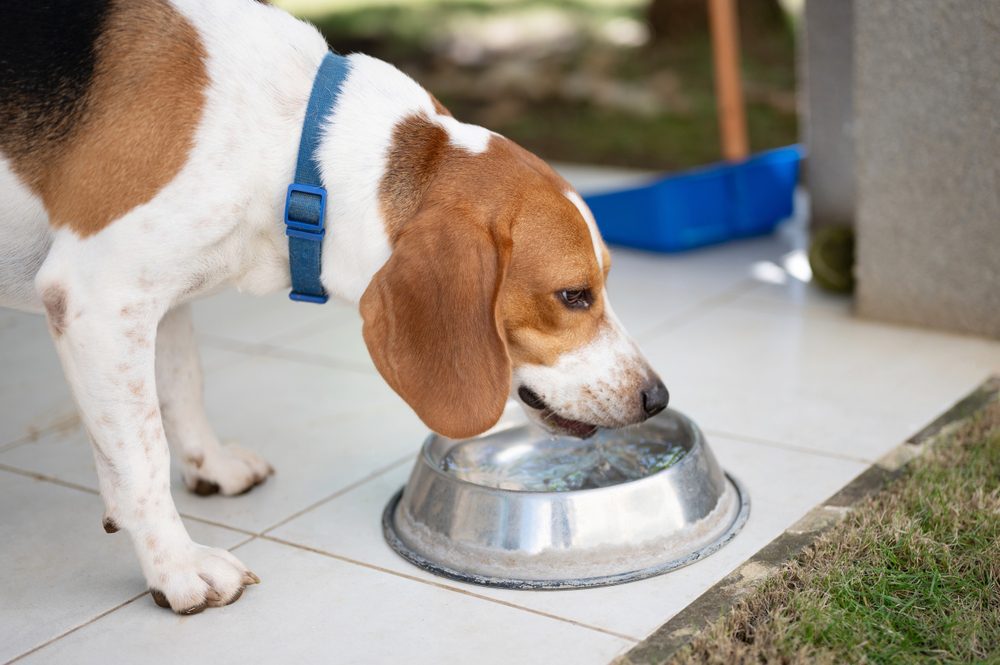
Hydration: The Often-Overlooked Key to Milk Supply
Here’s something that surprises many breeders: canine milk is 78% water. This means hydration directly impacts milk volume more than almost any other factor. When nursing dogs become dehydrated, milk production drops rapidly.
Maximizing Water Intake
In my breeding program, I implement these hydration strategies with every nursing mother:
Provide multiple water stations. Place one bowl directly in the whelping box area so she never has to leave her puppies, and another in a quieter location where she can drink without puppy interference.
Refresh water frequently. Change water at least three to four times daily. Fresh, cool water is more appealing and encourages increased consumption.
Offer flavor-enhanced options. Lukewarm, unsalted chicken broth provides both hydration and essential nutrients. I alternate between plain water and broth throughout the day. Some dogs reluctant to drink plain water will eagerly lap up broth.
Incorporate high-moisture foods. Wet dog food, watermelon cubes, ice chips, and boiled pumpkin add water content while providing variety. These treats make hydration more appealing, especially for dogs stressed by nursing demands.
Monitor for dehydration signs. Check gum moisture (should be wet and slippery), skin elasticity (should snap back quickly when gently pinched), and energy levels. Lethargy combined with dry gums indicates dehydration requiring immediate attention.
Creating the Optimal Nursing Environment
Stress is a silent milk production killer. Elevated stress hormones, particularly epinephrine, can suppress oxytocin and dramatically reduce milk letdown. After two decades of breeding, I’ve learned that environmental factors profoundly impact lactation success.
Stress Reduction Strategies
Maintain a calm, quiet whelping area. Excessive noise, bright lights, and constant visitors overwhelm new mothers. Keep the space dimly lit and limit visitor access during the first two weeks. I’ve found that even well-meaning family members checking on puppies every hour creates unnecessary stress.
Ensure comfortable bedding. Clean, soft bedding that’s easy to keep sanitary reduces discomfort and infection risk. Change bedding daily or whenever soiled.
Regulate temperature carefully. Newborn puppies need 85-90°F ambient temperature, but the mother needs cooler conditions. Use heating pads or heat lamps positioned over one section of the whelping box, allowing mom to move away when overheated.
Minimize interference. Resist the urge to constantly handle puppies. Excessive manipulation triggers maternal anxiety and can disrupt nursing rhythms.
Provide mental enrichment for mom. Short, supervised breaks from puppies help prevent burnout. A brief walk or quiet time alone can refresh her spirits and actually improve milk production when she returns.

Natural Supplements and Remedies
While nutrition and hydration form the foundation, certain supplements may provide additional support. However, approach supplementation cautiously and always consult your veterinarian first.
Evidence-Based Supplements
Fenugreek: This herb traditionally supports lactation in humans. While scientific evidence for fenugreek’s effectiveness in dogs remains inconclusive, some breeders report positive results. Fenugreek is available in products specifically formulated for nursing dogs. If trying fenugreek, expect results within 48-72 hours if it’s going to work.
Milk thistle: Known for supporting liver function and traditionally used to enhance milk production. Some breeders swear by it, though scientific validation in dogs is limited. Always verify dosing with your veterinarian before administration.
Brewer’s yeast: Rich in B vitamins and minerals that support overall maternal health. While direct evidence for improving milk production is limited, its nutritional value may indirectly support lactation by enhancing the mother’s health.
Galactagogue foods: Certain foods are thought to boost milk supply, though evidence is primarily anecdotal. Safe options include oats, brown rice, carrots, spinach, and chickpeas. Introduce these gradually and ensure they comprise less than 10% of total diet to maintain nutritional balance.
Mother’s Pudding: A Breeder’s Secret
Many experienced breeders use a recipe called “Mother’s Pudding” to support nursing dogs, especially after challenging deliveries or cesarean sections. This mixture combines high-calorie ingredients with hydration:
Basic Mother’s Pudding Recipe:
- 1 can vanilla ice cream (let soften)
- 1 jar beef or chicken baby food
- 1 packet unflavored gelatin
- 2 tablespoons corn syrup or honey
- Mix well and offer 2-3 times daily
This calorie-dense mixture provides quick energy, encourages eating in reluctant mothers, and delivers easily digestible nutrients. I’ve used variations of this recipe for years, particularly in the first 48-72 hours post-whelping.
Medical Interventions When Natural Methods Aren’t Enough
Sometimes, despite our best efforts, medical intervention becomes necessary. Recognizing when to seek veterinary help can save puppy lives.
When to Call Your Veterinarian
Contact your vet immediately if you observe:
- Complete absence of milk production 24 hours post-whelping
- Sudden dramatic decrease in established milk supply
- Signs of mastitis (hot, hard, painful mammary glands; discolored milk; fever)
- Symptoms of eclampsia (muscle tremors, restlessness, seizures, stiffness)
- Mother refusing to nurse or showing aggression toward puppies
- Rapid, concerning weight loss in mother or puppies
Pharmaceutical Options
Your veterinarian may prescribe medications to support lactation:
Metoclopramide (Reglan): This medication stimulates prolactin release and typically works within hours at a dose of 0.5 mg/kg every six hours. It’s particularly valuable for dogs who underwent cesarean sections and haven’t developed normal milk production.
Oxytocin: Helps with milk letdown when production exists but isn’t flowing properly. Can be administered every two hours in conjunction with Metoclopramide to jumpstart lactation.
Domperidone: Another option for stimulating prolactin, though less commonly used than Metoclopramide.
Mastitis Management
Mastitis, an infection of the mammary glands, requires prompt treatment to prevent serious complications. Signs include swollen, hot, painful glands producing discolored milk (often greenish or bloody).
Treatment protocol includes:
- Veterinary-prescribed antibiotics
- Warm compresses applied 3-4 times daily
- Gentle massage to clear blocked ducts
- Temporary removal of puppies from affected glands
- Puppy supplementation with milk replacer to prevent toxic milk syndrome
Eclampsia: A Life-Threatening Concern
Eclampsia, also called milk fever, occurs when calcium levels drop dangerously low due to high milk production demands. This medical emergency typically strikes during weeks two to four of lactation but can occur anytime from late pregnancy through eight weeks post-whelping.
Recognizing Eclampsia
Early symptoms include:
- Restlessness and panting
- Muscle stiffness or tremors
- Weakness or difficulty standing
- Behavioral changes (anxiety, disorientation)
Advanced symptoms demand immediate emergency care:
- Seizures
- High fever (104-106°F)
- Rapid heart rate
- Complete collapse
Prevention Strategies
Never supplement calcium during pregnancy, as this prevents the body from recognizing low calcium levels and interferes with natural calcium mobilization from bones. Instead:
- Feed high-quality puppy food throughout pregnancy and lactation
- Ensure proper calcium-phosphorus ratios through complete commercial diets
- Consider partially hand-feeding large litters to give mother’s body recovery time
- Monitor for early warning signs
Treatment involves slow intravenous calcium administration under veterinary supervision. With prompt treatment, most dogs recover within a few hours. However, untreated eclampsia is fatal.
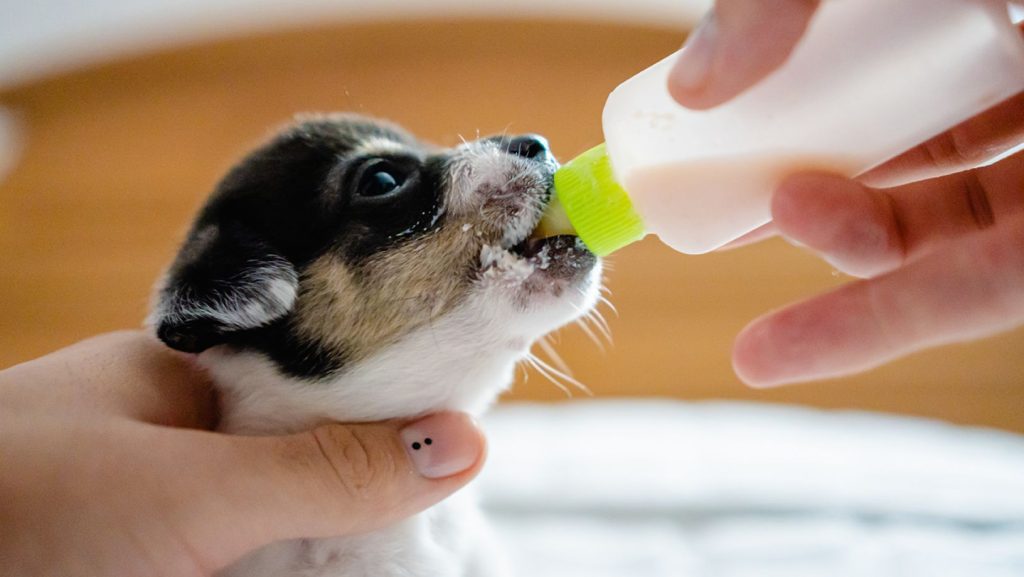
Supplementing Puppies: When Mother’s Milk Isn’t Enough
Despite our best efforts, some mothers simply cannot produce adequate milk for their litters. Large litters, health complications, or genetic factors may necessitate supplementation.
Choosing Puppy Milk Replacer
Never use cow’s milk, human baby formula, or homemade recipes found online. These lack appropriate nutrition and can cause serious digestive problems. Instead, use commercial puppy milk replacers like Esbilac, which are specifically formulated to match canine milk composition.
Supplementation Guidelines
For partial supplementation:
- Feed puppies from mother first, then top off with bottles
- Rotate which puppies receive supplementation to ensure even growth
- Continue encouraging nursing to maintain mother’s supply
For complete replacement:
- Feed every 2-3 hours for newborns, gradually extending intervals as puppies grow
- Follow package directions for mixing and amounts
- Maintain strict hygiene with bottles and nipples
- Monitor weight gain closely (should double weekly)
Feeding technique matters. Hold puppies at a natural nursing angle (belly down, head slightly elevated). Never feed puppies on their backs, as this increases aspiration risk. Warm formula to body temperature and test on your wrist before feeding.
Weight Monitoring and Growth Assessment
Vigilant monitoring helps identify milk supply problems before they become critical. I weigh every puppy at birth and then daily for the first two weeks, then weekly thereafter.
Normal Growth Patterns
- Newborns may lose slight weight (5-10%) in first 24 hours
- After initial period, expect steady daily gains
- Puppies should double birth weight by day 7-10
- Triple birth weight by week three
- Quadruple birth weight by week four
Red Flags
- Weight loss or plateau after first 24 hours
- Failure to double weight by day 14
- Significant variation between littermates (beyond normal size differences)
- Puppies losing weight after initially gaining
Keep detailed records including birth weights, daily weights for first two weeks, and weekly weights afterward. This data reveals patterns invisible to casual observation.
Preparing for Lactation Success Before Whelping
Smart preparation prevents many lactation problems. Here’s how I set up nursing mothers for success:
Pre-breeding health optimization: Ensure your female is at ideal body condition (score 4-5 out of 9) before breeding. Underweight dogs struggle to maintain milk production, while overweight females face whelping difficulties.
Prenatal nutrition: Feed high-quality adult maintenance food during early pregnancy, then switch to puppy food during the final trimester when calcium and phosphorus demands increase.
Mammary gland monitoring: Regularly check mammary development throughout pregnancy. Glands should gradually enlarge and soften. Report any abnormalities to your veterinarian.
Whelping area setup: Establish the nursing space weeks before due date. This familiarization reduces stress and helps mother settle comfortably after delivery.
Supplies stockpiling: Keep milk replacer, bottles, and feeding supplies on hand before whelping. You won’t have time to shop if problems arise at 2 AM.
Veterinary relationships: Ensure your vet is prepared for potential complications and available for after-hours emergencies.
Common Myths About Canine Lactation
Let me address some persistent misconceptions I’ve encountered over my breeding career:
Myth: Giving nursing dogs cow’s milk increases their milk production.
Reality: Cow’s milk doesn’t significantly impact canine milk production and can cause digestive upset. Water and proper nutrition are what matter.
Myth: Larger litters always mean insufficient milk supply.
Reality: While large litters (10+ puppies) strain resources, dogs can successfully nurse large litters with proper nutrition. Their milk production adapts to demand.
Myth: First-time mothers always struggle with milk production.
Reality: Many first-time mothers excel at nursing. Experience sometimes helps, but proper preparation and support matter more than breeding history.
Myth: You should supplement calcium throughout pregnancy and lactation.
Reality: This dangerous practice increases eclampsia risk. Only supplement if specifically prescribed by your veterinarian for a diagnosed deficiency.
Myth: Expensive boutique dog foods are necessary for nursing dogs.
Reality: Any high-quality puppy food from a reputable manufacturer provides appropriate nutrition. Focus on nutritional content, not marketing claims.
Practical Feeding Schedule Example
Here’s the schedule I follow with my nursing mothers:
Week 1-2:
- Free access to high-quality puppy food
- Fresh water replaced 4-5 times daily
- Chicken broth offered twice daily
- Mother’s Pudding (if needed) 2-3 times daily
- Monitor eating and drinking closely
Week 3-5 (Peak lactation):
- Continue free-feeding or 4-6 meals daily
- May need to increase food quantity up to 4x maintenance
- Maintain high hydration focus
- Watch for signs of exhaustion or inadequate nutrition
Week 6-8 (Weaning begins):
- Gradually reduce food as puppies eat more solids
- Continue high-quality nutrition
- Monitor mammary glands for engorgement or mastitis
- Support gradual milk decrease rather than abrupt cessation
Breed-Specific Considerations
Certain breeds face unique lactation challenges based on my experience:
Brachycephalic breeds (Bulldogs, Pugs, Boston Terriers): Often require cesarean sections, which disrupts normal hormonal cascades. Be prepared with Metoclopramide and oxytocin protocols. These breeds may need earlier supplementation intervention.
Giant breeds (Great Danes, Mastiffs, Irish Wolfhounds): Large litters and massive puppies strain even robust milk production. Monitor closely and don’t hesitate to supplement partially.
Small breeds (Chihuahuas, Yorkshire Terriers): Tiny stomach capacity limits food intake despite high energy demands. Frequent small meals and calorie-dense foods are essential.
First-time mothers of any breed: May need extra support establishing nursing routines. Patient observation and gentle assistance often prevent problems.
Long-Term Impact of Early Nutrition
The importance of adequate milk supply extends far beyond puppies’ early weeks. Colostrum, the first milk produced, contains antibodies protecting puppies against disease during their vulnerable first months. Puppies missing early milk face dramatically higher mortality risks.
Beyond immunity, proper nutrition during the neonatal period influences lifelong health, growth patterns, and even behavior. Puppies who struggle during early weeks may face developmental delays affecting their quality of life even after catching up physically.
This is why I’m passionate about supporting nursing mothers effectively. Those first weeks of life set puppies up for success or struggle throughout their lives.
What should I feed my nursing dog to increase milk production?
Feed your nursing dog high-quality puppy food or performance formula containing 28-32% protein with meat as the first ingredient. Divide daily food into 4-6 smaller meals and provide free access to fresh water. Nursing dogs require 2-4 times their normal caloric intake to produce adequate milk for their puppies.
Conclusion: Supporting Your Nursing Dog’s Success
Boosting your nursing dog’s milk supply centers on three fundamental principles: optimal nutrition, abundant hydration, and stress reduction. When you provide these foundations, most lactation challenges resolve naturally.
Remember that every mother and litter is unique. What works perfectly for one dog may need adjustment for another. Stay observant, remain flexible, and don’t hesitate to seek veterinary guidance when needed.
As an experienced breeder, I’ve learned that successful lactation is rarely about finding a magic supplement or secret trick. It’s about consistent, attentive care that supports your nursing mother’s tremendous physical demands while creating an environment where she can focus on her most important job: nurturing her puppies.
By implementing these strategies from pregnancy through weaning, you’ll give your nursing dog every advantage for producing abundant, nutritious milk. Your reward will be a thriving litter of healthy, well-nourished puppies ready to take on the world.