

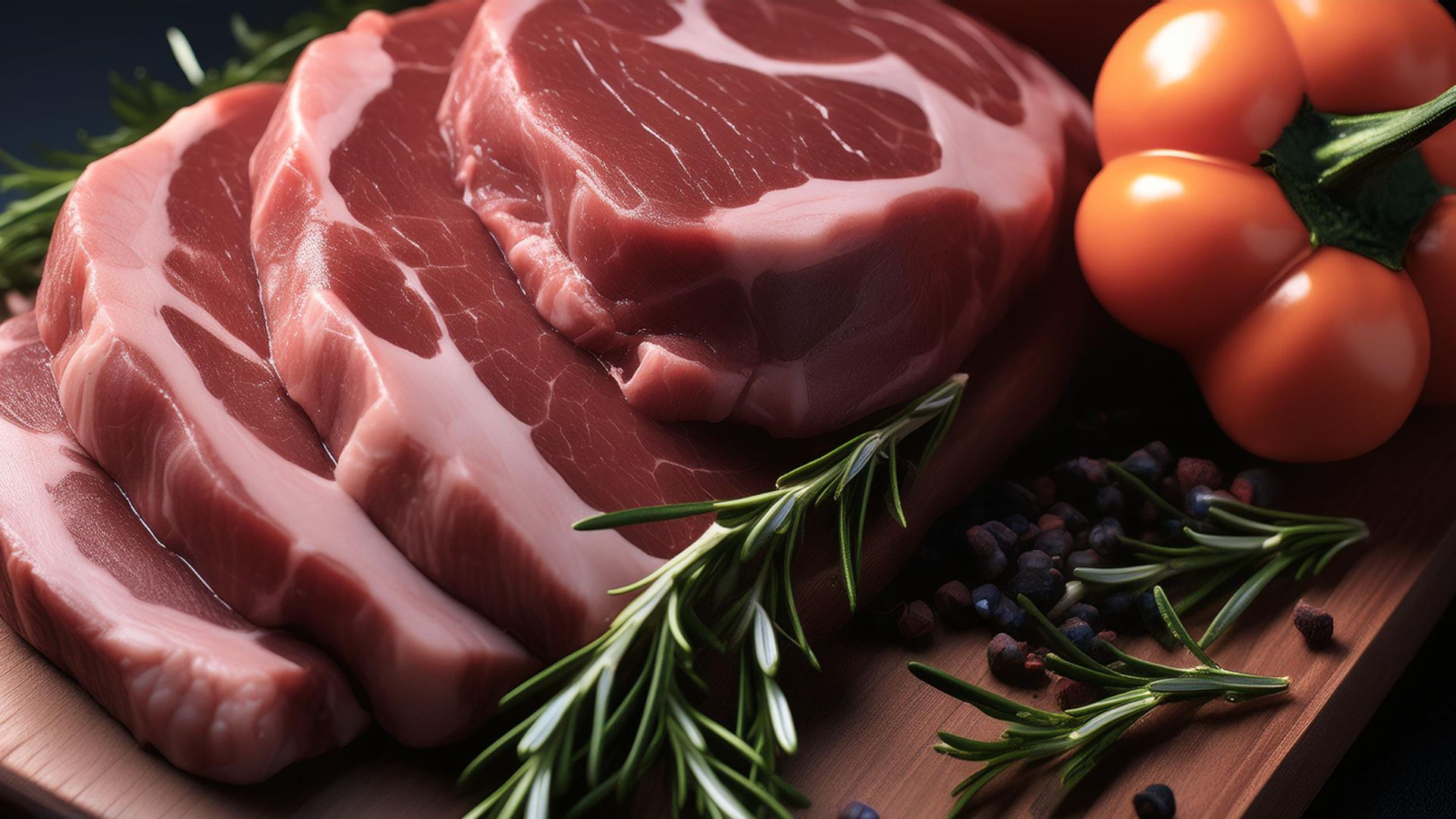
As a pet owner, you’ve likely encountered the term “meat by-products” on dog food labels. This ingredient often sparks debate and confusion among pet parents. Are meat by-products a nutritious addition to your dog’s diet, or something to avoid? In this comprehensive guide, we’ll explore the facts about meat by-products in dog food, helping you make informed decisions about your furry friend’s nutrition.
What Are Meat By-Products in Dog Food?
Meat by-products are secondary products produced during the processing of animal carcasses for human consumption. The Association of American Feed Control Officials (AAFCO) defines meat by-products as “the non-rendered, clean parts, other than meat, derived from slaughtered mammals.” This includes organs like liver, kidneys, and lungs, as well as other edible parts not typically consumed by humans in Western cultures.
It’s important to note that the term “by-product” doesn’t necessarily indicate low quality or nutritional value. Rather, it refers to parts of the animal that aren’t part of the primary product (muscle meat) in human food processing.
Common By-Products in Pet Food
Some common meat by-products found in dog food include:
- Liver
- Kidneys
- Heart
- Lungs
- Spleen
- Brain
- Blood
- Bone
- Stomachs and intestines (cleaned of contents)
These ingredients might sound unappealing to us, but they can be highly nutritious for our canine companions. In fact, many of these organs are considered delicacies in various human cultures around the world.
It’s important to dispel a common myth: meat by-products do not include hair, horns, teeth, or hooves. These indigestible parts are explicitly excluded from AAFCO’s definition of meat by-products.
Difference Between Meat and By-Products
The main difference between meat and by-products lies in their origin within the animal carcass. Meat primarily consists of muscle tissue, while by-products include organs and other non-muscle parts. In the pet food industry, meat is often more expensive than by-products, but this doesn’t necessarily reflect their nutritional value.
In fact, organ meats (a significant component of by-products) are often more nutrient-dense than muscle meat. They’re rich in vitamins, minerals, and essential amino acids that contribute to a dog’s overall health.
Why Are By-Products Used in Pet Food?
Cost and Availability
One of the primary reasons for using meat by-products in dog food is their cost-effectiveness. By-products are often less expensive than muscle meat, allowing pet food manufacturers to create affordable products while still providing essential nutrients. This cost-efficiency can be particularly beneficial for pet owners on a budget, as it allows them to provide nutritious food for their dogs without breaking the bank.
Additionally, using by-products helps reduce waste in the food industry by utilizing parts of animals that might otherwise be discarded. This practice aligns with growing concerns about sustainability and responsible resource use in food production.
Nutritional Value of By-products
Contrary to popular belief, meat by-products can be highly nutritious for dogs. Many organ meats are rich in vitamins, minerals, and proteins that are essential for canine health. For example:
- Liver is an excellent source of vitamin A, iron, and B vitamins
- Heart provides taurine, an important amino acid for heart health
- Kidneys are rich in B vitamins and iron
- Lungs are a good source of protein and iron
- Spleen contains iron and other minerals
In fact, in the wild, carnivores often consume organ meats first due to their high nutritional value. This instinctive behavior reflects the nutritional importance of these parts of the prey animal.
Let’s take a closer look at some specific nutrients found in common by-products:
| By-Product | Key Nutrients |
|---|---|
| Liver | Vitamin A, Iron, Zinc, B vitamins, Copper |
| Heart | Taurine, CoQ10, B vitamins, Iron |
| Kidney | B vitamins, Iron, Zinc |
| Lung | Protein, Iron, Zinc |
| Spleen | Iron, Vitamin C, B vitamins |
These nutrient-rich ingredients can contribute significantly to meeting a dog’s dietary requirements when included as part of a balanced diet.
Role in the Pet Food Manufacturing Process
By-products play a crucial role in pet food manufacturing. They provide a concentrated source of protein and other nutrients, allowing manufacturers to create balanced, nutritionally complete diets for dogs. By-products are often rendered into meals, which are then used as ingredients in dry kibble or wet food formulations.
The rendering process involves cooking the by-products to remove moisture and separate fat from protein. This results in a highly concentrated protein powder that can be easily incorporated into pet food recipes. The process also helps to eliminate potential pathogens, ensuring the safety of the final product.
Are By-Products Safe for My Pet?
Many pet food companies incorporate animal by-products in dog food and cat food. These byproduct materials are usually parts of an animal that are not considered suitable for human use. However, they are rich in nutrients and directly suitable for dog’s food. Notably, some brands ensure that the products are considered safe and beneficial for pets. The meat and bones are carefully processed into animal feed to ensure high food quality standards.
Animal by-products in dog food include organs and other parts of an animal that are actually a rich source of vitamins and minerals. While not part of the human food chain, these elements can be integral to a quality food formula for dogs and cats. In fact, by-products found in pet food play a crucial role in providing essential nutrients, so ensuring food containing these materials is both beneficial and safe for my pet.
Contrary to some misconceptions, food containing by-products does not imply low food quality. These animal foods are subject to rigorous safety and nutritional standards, just like those in the human food industry. Flesh and parts that are not fit for human use are often perfect for animal food because these products maintain a place in the overall food chain by being rendered into a rendered product suitable for dog food products and cat food.
Regulations by AAFCO
The use of meat by-products in pet food is regulated by AAFCO. These guidelines ensure that by-products used in pet food are clean, free from contaminants, and sourced from animals that were slaughtered for human consumption. This means that diseased animals or those that died from causes other than slaughter cannot be used in pet food production.
AAFCO’s definitions and standards are designed to protect pet health and ensure the quality of pet food ingredients. They require that:
- By-products must be derived from animals that have passed ante-mortem inspection (before slaughter).
- The parts used must be clean and free from contamination.
- Certain parts, such as hair, horns, teeth, and hooves, are explicitly excluded from by-products.
These regulations help to ensure that the by-products used in pet food are safe and appropriate for canine consumption.
Veterinary Opinions on Animal By-Products
Many veterinary nutritionists support the use of high-quality meat by-products in pet food. Dr. Jennifer Larsen, a board-certified veterinary nutritionist, states, “By-products can be excellent sources of protein and other nutrients, and their inclusion in pet foods allows for more complete utilization of animal tissues.”
Dr. Tony Buffington, another respected veterinary nutritionist, adds, “Properly processed by-products provide nutrients that are the same as or better than those provided by muscle meats, and their inclusion in diets can provide nutritional variety.”
These expert opinions highlight that by-products, when properly sourced and processed, can be a valuable component of a nutritious dog food.
Quality Control in Commercial Pet Food Production
Reputable pet food manufacturers implement strict quality control measures to ensure the safety and nutritional value of their products, including those containing by-products. This includes:
- Sourcing by-products from USDA-inspected facilities
- Testing for contaminants and pathogens
- Adhering to strict manufacturing standards
- Regular audits of suppliers
- Batch testing of finished products
These measures help to ensure that the by-products used in pet food are safe, clean, and nutritious. However, it’s important to note that quality can vary between manufacturers, which is why choosing a reputable brand is crucial.
How to Read Dog Food Labels?
When deciphering dog food labels, it’s important to understand the terminology. Brands like Purina often use various components to ensure a balanced diet. By-products are a rich source of nutrition for your dog or cat and are directly suitable for animal food. Meat for pet food refers to meat and poultry parts that aren’t directly suitable for animal consumption by humans. This meat used may be unfit for human consumption yet beneficial for pets.
Identifying By-Products in the Ingredient List
When reading dog food labels, you may see by-products listed in various ways:
- Specific by-products: “chicken by-products,” “beef by-products”
- Meals: “chicken by-product meal,” “poultry by-product meal”
- Generic terms: “meat by-products,” “animal by-product meal”
It’s important to note that specific by-products (e.g., “chicken by-products”) are generally considered higher quality than generic terms (e.g., “meat by-products”). This is because specific terms indicate a single source of animal protein, which can be beneficial for dogs with food sensitivities.
Common Terms Used in Pet Food Labels
Understanding pet food label terminology can help you make informed decisions:
- “Meal” indicates that the ingredient has been rendered (cooked to remove moisture) and ground into a powder
- “By-product meal” is a concentrated protein source made from rendered by-products
- “Human-grade” is a marketing term and doesn’t necessarily indicate superior nutritional value
- “Crude protein” refers to the total protein content, including both digestible and indigestible proteins
- “Guaranteed analysis” provides minimum percentages of crude protein and fat, and maximum percentages of fiber and moisture
Remember, ingredients are listed in order of weight before processing. This means that whole meats, which contain a lot of water, may appear first even if the actual dry matter content is lower than other ingredients.
Understanding Nutritional Information
When evaluating dog food, look beyond the ingredient list to the guaranteed analysis and nutritional adequacy statement. These provide information about the food’s nutrient content and whether it meets AAFCO standards for complete and balanced nutrition.
The nutritional adequacy statement will indicate whether the food is:
- Formulated to meet AAFCO nutrient profiles for a specific life stage
- Substantiated through feeding trials
- Intended for intermittent or supplemental feeding only
Foods that meet AAFCO standards for complete and balanced nutrition are designed to provide all the nutrients your dog needs in the right proportions.
Comparing Meat By-Products to Other Ingredients
By-Product Meal vs. Muscle Meat

As shown in the image above, by-product meals often contain a higher concentration of protein compared to fresh meat. This is due to the removal of moisture during the rendering process. For example:
- Fresh chicken might contain 18-20% protein
- Chicken by-product meal typically contains 60-70% protein
This concentration allows pet food manufacturers to create high-protein diets without relying solely on muscle meat. It’s worth noting that the protein in by-product meals is often highly digestible, making it an efficient source of amino acids for dogs.
Benefits of Poultry By-Products
Poultry by-products, such as chicken or turkey by-products, are commonly used in dog food. They offer several benefits:
- Rich source of protein
- Contain essential amino acids
- Provide natural sources of glucosamine and chondroitin (from cartilage)
- Often more palatable for dogs than plant-based proteins
- Can be easier to digest than some muscle meats
Poultry by-products can be particularly beneficial for dogs with certain health conditions. For example, the glucosamine and chondroitin found in cartilage can support joint health, which may be beneficial for older dogs or breeds prone to joint issues.
Organ Meats and Their Nutritional Contribution
Organ meats, a key component of meat by-products, offer unique nutritional benefits:
| Organ | Key Nutrients | Potential Benefits |
|---|---|---|
| Liver | Vitamin A, Iron, B vitamins | Supports vision, immune function, and red blood cell production |
| Heart | Taurine, CoQ10, B vitamins | Promotes heart health and energy production |
| Kidney | B vitamins, Iron | Supports metabolism and red blood cell production |
| Spleen | Iron, Vitamin C | Aids in immune function and iron absorption |
| Brain | Omega-3 fatty acids, Phosphatidylserine | May support cognitive function |
These nutrient-dense ingredients can contribute significantly to a dog’s overall health and well-being when included as part of a balanced diet. The diverse nutrient profile of organ meats can help to fill potential nutritional gaps that might exist if a diet consisted solely of muscle meat.
Should Pet Owners Avoid By-Products?
Pros and Cons of By-Products
To help you make an informed decision, let’s consider the pros and cons of including by-products in your dog’s diet:
Pros:
- Nutrient-dense, providing a wide range of essential vitamins and minerals
- Cost-effective, allowing for affordable yet nutritious dog food options
- Environmentally friendly, reducing waste in the food production process
- Often highly palatable for dogs, which can be beneficial for picky eaters
- Can provide nutrients in forms that are easily absorbed and utilized by dogs
Cons:
- Negative public perception due to misconceptions about what by-products include
- Quality can vary between manufacturers, making brand choice important
- Some pet owners prefer identifiable muscle meats for peace of mind
- Generic by-product terms (e.g., “meat by-products”) don’t specify the animal source
It’s important to weigh these factors against your individual dog’s needs and your personal preferences as a pet owner.
Expert Advice from Veterinary Nutritionists
Dr. Lisa Freeman, a board-certified veterinary nutritionist, advises, “High-quality by-products can be an excellent source of protein and other nutrients. The key is to choose foods from reputable companies that have stringent quality control measures in place.”
Dr. Cailin Heinze, another veterinary nutritionist, adds, “By-products are not inferior to muscle meat in terms of nutrition and quality. In fact, they’re often more nutritious.”
These expert opinions underscore that by-products, when properly sourced and processed, can be a valuable component of a dog’s diet. However, they also emphasize the importance of choosing reputable brands with strong quality control practices.
Addressing Common Concerns
Let’s address some common concerns pet owners have about by-products:
- “By-products are just waste materials”: While by-products are secondary products of animal processing, they are not waste. They are nutrient-rich parts of the animal that are simply less commonly consumed in Western human diets.
- “By-products contain diseased animals”: AAFCO regulations prohibit the use of diseased animals or those that have died by means other than slaughter in pet food.
- “By-products are less digestible”: Many by-products, especially organ meats, are highly digestible and provide readily available nutrients.
- “Foods without by-products are healthier”: There’s no scientific evidence to support this claim. A food’s overall nutritional balance is more important than the presence or absence of by-products.
- “By-products are only used in low-quality foods”: Many premium and veterinary prescription diets include by-products due to their nutritional value.
By understanding these facts, pet owners can make more informed decisions about their dog’s diet.
Conclusion
Meat by-products in dog food are often misunderstood. While they may not sound appetizing to humans, they can be a valuable source of nutrition for our canine companions. When sourced and processed properly, by-products provide essential nutrients that contribute to a balanced diet for dogs.
As a pet owner, the most important factors to consider when choosing dog food are:
- Whether the food meets AAFCO standards for complete and balanced nutrition
- The reputation and quality control practices of the manufacturer
- Your dog’s individual nutritional needs and preferences
- Any specific health concerns or dietary restrictions your dog may have
Rather than avoiding by-products altogether, focus on selecting high-quality dog foods from reputable brands. These companies invest in proper sourcing, processing, and quality control to ensure their ingredients, including by-products, are safe and nutritious.
Remember that every dog is unique, and what works well for one may not be ideal for another. It’s always a good idea to consult with your veterinarian when making decisions about your dog’s diet. They can provide personalized advice based on your dog’s age, breed, health status, and nutritional needs.
By understanding the role of meat by-products in pet nutrition, you can make informed decisions that support your furry friend’s health and well-being. Don’t let misconceptions or marketing hype guide your choices. Instead, rely on scientific evidence, expert opinions, and your dog’s individual needs to determine the best diet for your beloved pet.