

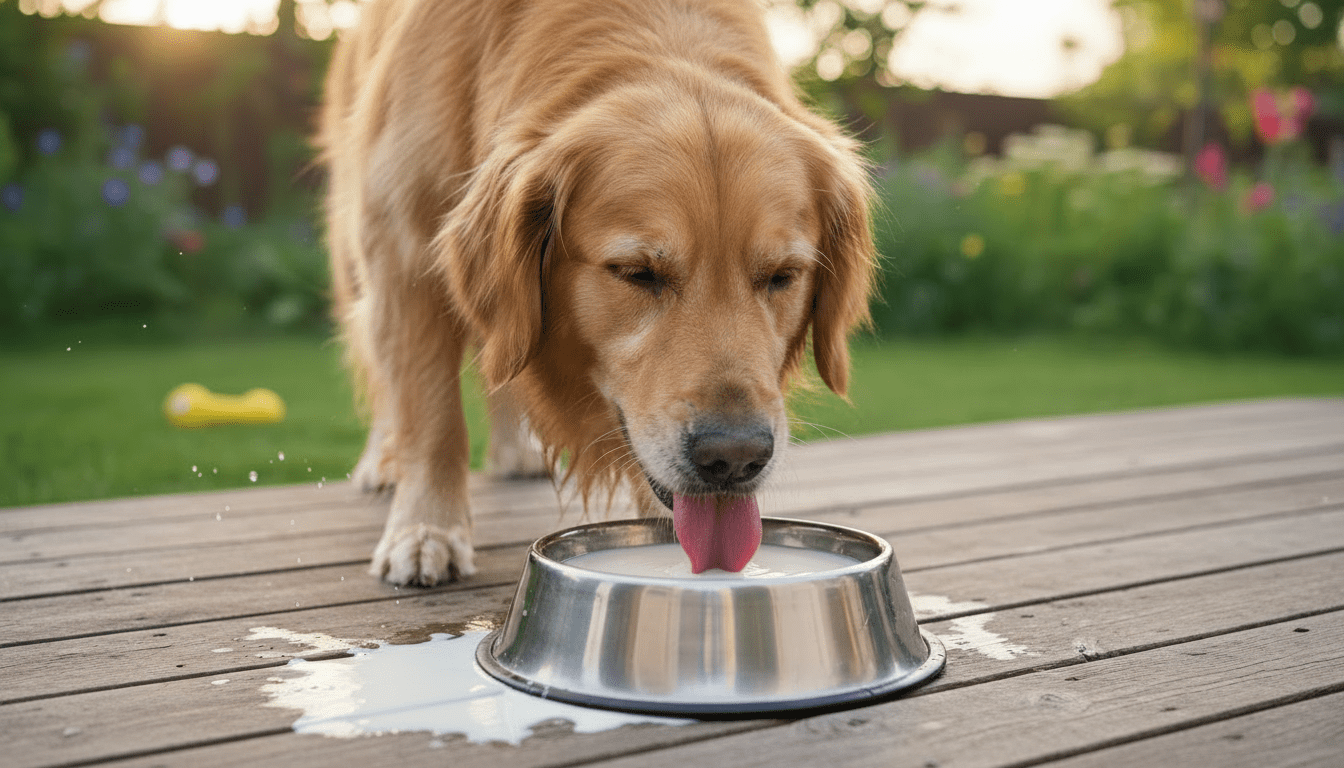
Yes, dogs can drink almond milk but only in small amounts and with important precautions. As a breeding professional with years of experience in canine nutrition, I’ve seen both the benefits and potential risks of introducing alternative milk options into a dog’s diet. This comprehensive guide will walk you through everything you need to know about almond milk safety for dogs,
Key Takeaways:
- Plain, unsweetened almond milk is generally safe for dogs in small quantities
- Always avoid almond milk containing xylitol, a potentially deadly artificial sweetener
- Almond milk should be an occasional treat, not a dietary staple or water replacement
- High-fat content can cause digestive issues and pancreatitis in some dogs
- Homemade almond milk is the safest option, allowing complete control over ingredients
Understanding Almond Milk and Canine Health
Almond milk has surged in popularity as a dairy alternative for humans following plant-based diets or managing lactose intolerance. This beverage is created by blending raw almonds with water, then straining the mixture to produce a creamy, nutty-flavored liquid. Unlike traditional dairy products, almond milk contains significantly less lactose, making it easier for many dogs to digest.
In my years of breeding practice, I’ve noticed an increasing number of pet owners exploring dairy-free milk alternatives for their dogs. While almonds themselves aren’t toxic to dogs, they present unique considerations when processed into milk form. The diluted nature of almond milk makes it gentler on canine digestive systems compared to whole almonds, which can pose choking hazards and digestive challenges.
Nutritional Profile of Almond Milk for Dogs
When evaluating whether almond milk fits into your dog’s diet, understanding its nutritional composition becomes essential. Commercial almond milk typically contains fewer calories than traditional dairy milk and offers zero animal fat. Some varieties are fortified with vitamin E, which supports healthy skin, coat, and immune function in dogs.
However, it’s crucial to recognize that almond milk doesn’t provide substantial nutritional benefits for dogs. Unlike whole almonds, which contain fiber, protein, and various minerals, almond milk is primarily water with minimal almond content. Many commercial brands contain as little as two percent actual almonds, meaning the nutritional value is significantly diluted.
The lactose-free nature of almond milk makes it an attractive option for lactose-intolerant dogs. Many dogs lose the enzyme needed to properly digest lactose as they mature, leading to gastrointestinal distress when consuming dairy products. Almond milk bypasses this issue entirely, offering a milk-like treat without the lactose concerns.
The Hidden Dangers: What Makes Some Almond Milk Unsafe
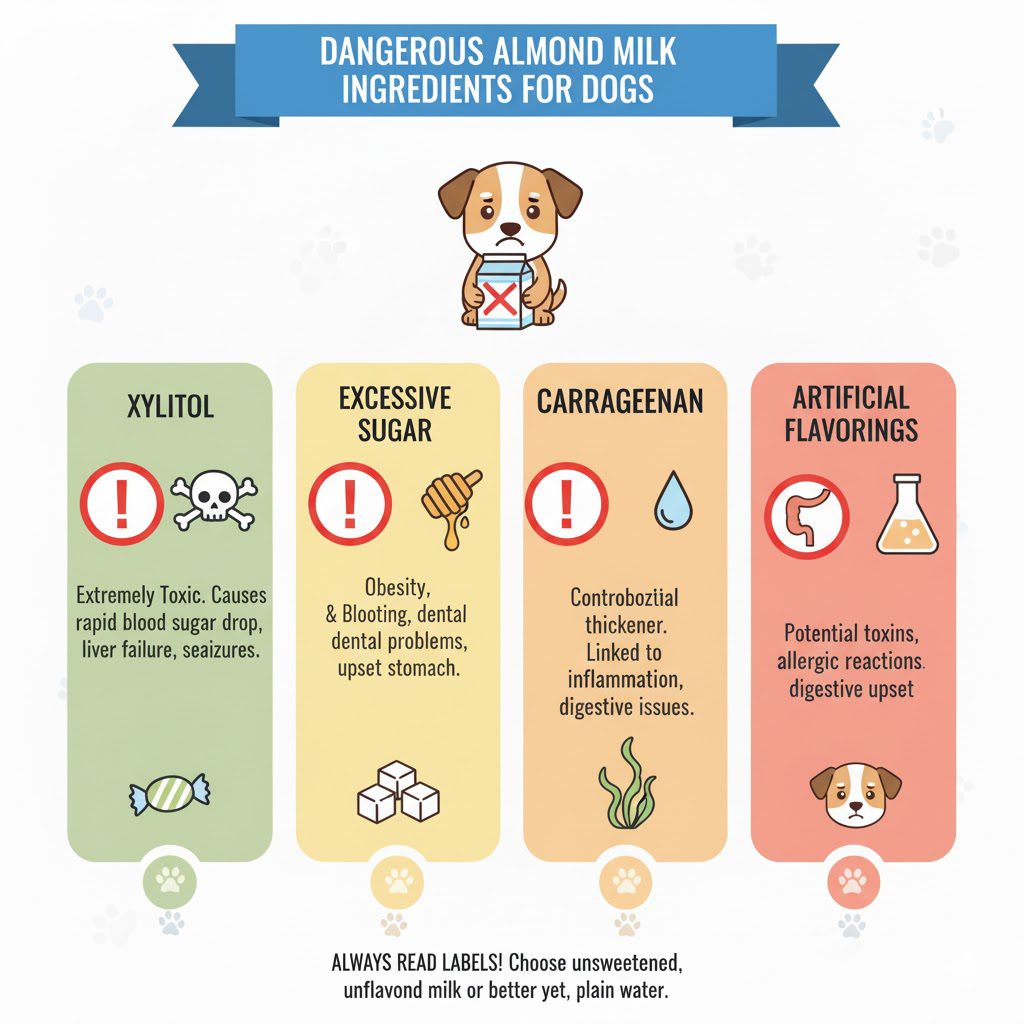
Not all almond milk products are created equal, and some varieties pose serious health risks to dogs. The most critical concern involves artificial sweeteners, particularly xylitol. This sugar substitute, commonly found in sugar-free products, is extremely toxic to dogs even in tiny amounts.
Xylitol Toxicity: A Life-Threatening Risk
Xylitol causes a rapid insulin release in dogs, triggering dangerous drops in blood sugar levels within minutes of ingestion. This condition, known as hypoglycemia, can lead to weakness, seizures, liver failure, and even death if not treated immediately. As someone who has treated numerous xylitol poisoning cases in my practice, I cannot stress enough the importance of checking ingredient labels.
If your dog accidentally consumes almond milk containing xylitol, contact your emergency veterinarian immediately. Time is absolutely critical in these situations. Symptoms of xylitol poisoning include vomiting, weakness, difficulty walking, tremors, and seizures. Early intervention can be life-saving.
Other Problematic Additives
Beyond xylitol, several other ingredients commonly found in commercial almond milk can harm your dog. Added sugars, while not immediately toxic, contribute to obesity, dental problems, and potentially diabetes when consumed regularly. Even natural sweeteners like cane sugar or agave syrup should be avoided.
Carrageenan, a seaweed-derived thickening agent, has raised concerns in both human and veterinary nutrition circles. Some research suggests it may trigger intestinal inflammation and digestive issues. While the science remains somewhat inconclusive, choosing almond milk without carrageenan represents the safer approach for your pet.
Flavored varieties, including vanilla, chocolate, or fruit-infused almond milk, present additional risks. Chocolate is notoriously toxic to dogs, while various fruit flavorings may contain ingredients that upset sensitive canine stomachs.
Safe Almond Milk Consumption Guidelines for Dogs
When introducing almond milk to your dog’s diet, following specific guidelines ensures their safety and wellbeing. As a veterinary professional, I recommend a cautious, gradual approach that prioritizes your dog’s individual needs and health status.
Choosing the Right Almond Milk
Always select plain, unsweetened almond milk specifically labeled as containing no artificial sweeteners. Organic brands are preferable, as they avoid almonds grown with pesticides like glyphosate. Read ingredient labels carefully—the shorter the ingredient list, the better. Ideally, you want to see only almonds and water listed.
Homemade almond milk provides the ultimate control over ingredients. By preparing it yourself, you eliminate any concerns about hidden additives while ensuring your dog receives the freshest product possible. The process is simple: soak raw, unsalted almonds overnight, blend with water, and strain through cheesecloth.
Appropriate Portion Sizes
Moderation is absolutely key when offering almond milk to dogs. I recommend starting with just one tablespoon for small dogs (under 20 pounds) or up to a quarter cup for larger breeds (over 50 pounds). This should be treated as an occasional treat, not exceeding ten percent of your dog’s daily caloric intake.
For first-time introduction, begin with an even smaller amount perhaps just a teaspoon to monitor for any adverse reactions. Wait 24 to 48 hours before offering more, watching carefully for signs of digestive upset like diarrhea, vomiting, or excessive gas.
Frequency Recommendations
Almond milk should never become a daily habit for your dog. Think of it as a special treat, perhaps once or twice weekly at most. Water remains the essential beverage for canine hydration and should never be replaced or substituted with any milk alternative.
Some dogs simply don’t enjoy the taste of unsweetened almond milk, and that’s perfectly fine. Never force your dog to consume something they clearly dislike. There are plenty of other safe, enjoyable treats available that might better suit their preferences.
Potential Health Benefits and Risks
Limited Nutritional Advantages
While almond milk doesn’t provide significant nutritional benefits to dogs, it offers a few minor advantages worth noting. The lactose-free nature makes it suitable for dogs with dairy sensitivities. Some fortified varieties contain vitamin E, an antioxidant supporting immune function and skin health.
The low-calorie profile compared to full-fat dairy makes almond milk a lighter treat option for dogs watching their weight. However, these benefits are modest at best and don’t justify making almond milk a regular dietary component.
Digestive Concerns and Pancreatitis Risk
| Risk Factor | Low Risk | Moderate Risk | High Risk |
|---|---|---|---|
| Digestive Upset | Small amounts plain almond milk | Flavored/sweetened varieties | Large quantities or frequent consumption |
| Pancreatitis | Occasional treats in small amounts | Regular consumption | Dogs with history of pancreatitis |
| Allergic Reaction | Most dogs tolerate well | Dogs with nut sensitivities | Dogs with confirmed almond allergy |
| Xylitol Toxicity | Xylitol-free products | Unknown ingredients | Any amount containing xylitol |
The high fat content of almonds presents the most significant concern when dogs consume almond milk. Even though almond milk is diluted, it still contains oils and fats that some dogs struggle to digest properly. This can result in watery, oily diarrhea that’s unpleasant for both you and your pet.
More seriously, the fat content can trigger pancreatitis, a painful and potentially life-threatening inflammation of the pancreas. In my practice, I’ve treated several cases where excessive fat consumption led to acute pancreatitis. Dogs with a history of this condition should avoid almond milk entirely.
Overweight or obese dogs require special consideration. While almond milk contains fewer calories than dairy milk, it still adds unnecessary calories to their diet. For dogs on weight management programs, plain water remains the best beverage choice.
Allergic Reactions and Intolerances
Although almond allergies in dogs are relatively rare, they can occur. Signs of an allergic reaction include itching, skin redness, hives, facial swelling, or respiratory difficulties. If you observe any of these symptoms after introducing almond milk, discontinue immediately and consult your veterinarian.
Some dogs may experience intolerance rather than true allergies, resulting in digestive discomfort without the immune system involvement characteristic of allergies. Symptoms include gas, bloating, mild diarrhea, or general discomfort after consumption.

Safer Alternatives to Almond Milk for Dogs
While almond milk can be safe in moderation, several alternatives might better serve your dog’s nutritional needs and preferences. Understanding these options helps you make the best choice for your individual pet.
Water: The Gold Standard
Plain, fresh water remains the absolute best beverage for dogs. It provides essential hydration without added calories, sugars, or potential irritants. Always ensure your dog has access to clean water throughout the day, regardless of any treats or supplements you offer.
Dog-Specific Milk Products
Several companies produce milk products formulated specifically for dogs. These lactose-free options are designed to be easily digestible and nutritionally appropriate. Goat’s milk formulated for pets offers easier digestion than cow’s milk and contains beneficial probiotics supporting gut health.
Bone Broth: A Nutritious Option
Low-sodium bone broth provides excellent hydration along with valuable nutrients like collagen, glucosamine, and amino acids. It’s particularly beneficial for dogs recovering from illness or dealing with joint issues. I often recommend bone broth to clients looking for a healthy liquid treat their dogs will love.
Other Nut Milks
Cashew milk offers similar properties to almond milk and may be suitable in small amounts. Coconut milk (the beverage, not canned cooking milk) provides another lactose-free alternative, though its high calorie content requires careful portion control.
Oat milk has gained popularity as a gentle, easily digestible option. It tends to be lower in fat than nut-based milks while providing a creamy texture many dogs enjoy. However, dogs with grain sensitivities should avoid oat milk entirely.
Special Considerations for Different Dogs
Puppies and Almond Milk
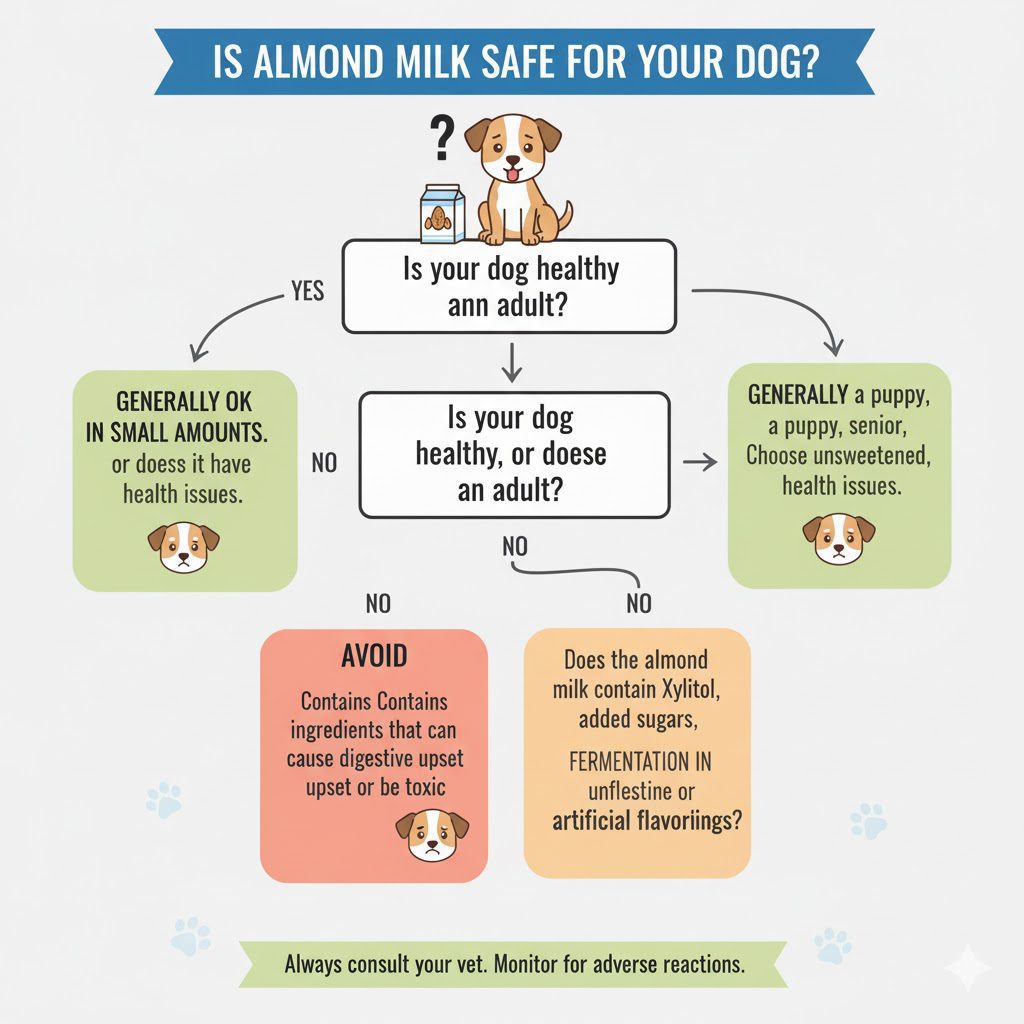
Puppies have developing digestive systems that are particularly sensitive to new foods. While a small taste of plain almond milk won’t harm most puppies, it offers no nutritional benefits they need. Puppy-specific formulas or their mother’s milk provide complete nutrition during early development.
I generally advise waiting until puppies are at least six months old before introducing any milk alternatives. Even then, quantities should be minimal and carefully monitored. Focus on providing high-quality puppy food and fresh water instead.
Senior Dogs
Older dogs may appreciate the easier-to-digest nature of almond milk compared to dairy products. However, senior dogs often have compromised organ function, making them more susceptible to pancreatitis from high-fat foods. Use extra caution with geriatric dogs and consider consulting your veterinarian before introducing almond milk.
Dogs with Specific Health Conditions
Dogs with diabetes should avoid almond milk entirely unless it’s completely unsweetened and approved by your veterinarian. Even natural sugars can affect blood glucose levels in diabetic pets.
Dogs with a history of pancreatitis should not receive almond milk due to its fat content. The risk of triggering another painful episode far outweighs any minimal benefits.
Dogs with kidney disease require careful dietary management, and any new food or beverage should be discussed with your veterinarian first. Some ingredients in commercial almond milk might not align with kidney-friendly diets.
How to Introduce Almond Milk Safely
Following a systematic approach when introducing almond milk minimizes potential problems and helps you identify any adverse reactions quickly.
Step-by-Step Introduction Process
Step 1: Veterinary Consultation
Before offering almond milk, especially if your dog has any health conditions, discuss it with your veterinarian. They can provide personalized advice based on your dog’s specific health profile.
Step 2: Ingredient Verification
Carefully read labels to ensure the almond milk contains only almonds and water. Verify the absence of xylitol, added sugars, artificial sweeteners, and other additives.
Step 3: Small Test Amount
Offer just a teaspoon initially. Mix it with their regular food or allow them to lap it from a spoon. Some dogs will refuse it entirely, which is perfectly acceptable.
Step 4: Monitor Period
Watch your dog closely for 24 to 48 hours. Look for any signs of digestive upset, allergic reactions, or behavioral changes that might indicate discomfort.
Step 5: Gradual Increase
If your dog tolerates the initial amount well and seems to enjoy it, you can gradually increase the portion to the recommended maximum for their size. Remember to maintain infrequent offering schedules.
Signs Something Is Wrong
Being vigilant for warning signs ensures you can act quickly if your dog reacts poorly to almond milk. Contact your veterinarian if you observe:
- Persistent diarrhea lasting more than 24 hours
- Vomiting, especially if it occurs multiple times
- Loss of appetite or refusal to eat
- Excessive lethargy or weakness
- Abdominal pain (hunched posture, whining when touched)
- Any signs of xylitol toxicity mentioned earlier
Common Misconceptions About Dogs and Almond Milk
Throughout my veterinary career, I’ve encountered numerous myths and misunderstandings about feeding almond milk to dogs. Let’s clarify some common misconceptions.
Myth: Almond Milk Is a Healthy Milk Replacement
Many people assume that because almond milk is healthier than dairy for lactose-intolerant humans, it must be equally beneficial for dogs. The reality is that dogs don’t need any type of milk after weaning. While almond milk won’t harm them in small amounts, it doesn’t provide nutritional advantages that justify regular consumption.
Myth: All Natural Milk Alternatives Are Safe
The term “natural” doesn’t guarantee safety for dogs. Macadamia nut milk, for example, would be toxic since macadamia nuts are poisonous to dogs. Always research specific ingredients before assuming a plant-based milk is safe.
Myth: If They Like It, It Must Be Good for Them
Dogs often enjoy foods that aren’t beneficial or safe for them. Taste preference doesn’t indicate nutritional value or safety. Your dog might love sweetened almond milk, but the sugar content makes it inappropriate regardless of their enthusiasm.
Myth: Homemade Is Always Better
While homemade almond milk eliminates concerns about additives, it’s typically higher in fat content than commercial varieties since you control the almond-to-water ratio. More concentrated homemade versions could actually pose greater digestive risks.
Expert Tips for Pet Owners
Based on years of veterinary experience and canine nutrition knowledge, I’ve compiled practical advice for pet owners considering almond milk for their dogs.
Reading Labels Like a Professional
Become an expert label reader. Look beyond marketing claims to actual ingredients. If you can’t pronounce an ingredient or don’t recognize it, research it before offering the product to your dog. Maintain a list of dangerous additives on your phone for quick reference while shopping.
Building Healthy Treat Habits
Rather than focusing on novelty treats like almond milk, establish a repertoire of healthy, dog-appropriate treats. Fresh vegetables like carrots or green beans, small amounts of lean meat, or commercial treats formulated for dogs provide safer options for regular enjoyment.
Consulting Professionals
Develop a relationship with a veterinary nutritionist if your dog has special dietary needs. These specialists can create customized nutrition plans that account for allergies, health conditions, and individual preferences while ensuring complete nutritional balance.
Keeping Emergency Contacts Accessible
Program your regular veterinarian’s number and the nearest 24-hour emergency clinic into your phone. In cases of accidental xylitol ingestion, every minute counts. Having immediate access to professional guidance can save your dog’s life.
Frequently Asked Questions
Can puppies have almond milk?
While not toxic to puppies, almond milk offers no nutritional benefits they need. Puppies should focus on mother’s milk, puppy formula, or high-quality puppy food with fresh water.
How much almond milk is too much for dogs?
Anything exceeding ten percent of daily caloric intake is too much. For most dogs, this means no more than a few tablespoons per serving, offered only occasionally.
What should I do if my dog drinks sweetened almond milk?
Check the ingredients immediately. If it contains xylitol, contact your emergency veterinarian right away. For other sweeteners, monitor your dog for digestive upset and reduce or eliminate future consumption.
Are there any dogs that should never have almond milk?
Dogs with pancreatitis history, diabetes, severe obesity, known nut allergies, or certain digestive disorders should avoid almond milk entirely.
Can almond milk help with my dog’s bad breath?
No reliable evidence suggests almond milk improves canine breath. Proper dental care, including regular brushing and veterinary cleanings, addresses bad breath more effectively.
Can dogs drink almond milk?
Yes, dogs can drink almond milk in small amounts if it’s plain, unsweetened, and xylitol-free. Offer no more than 1-2 tablespoons for small dogs or up to ¼ cup for large dogs as an occasional treat. Always check labels to avoid toxic sweeteners like xylitol, which can be fatal to dogs. Water remains the best beverage for canine hydration.
Prevention and Best Practices
Protecting your dog from potential almond milk hazards requires proactive measures and consistent habits.
Creating a Safe Kitchen Environment
Store almond milk in areas your dog cannot access. Even well-trained dogs may opportunistically consume items left within reach. Spills should be cleaned immediately to prevent unauthorized sampling.
Educating Family Members
Ensure everyone in your household understands the rules about feeding almond milk to your dog. Children particularly need clear guidelines about appropriate portions and frequency. Create a simple chart specifying approved treats and amounts to eliminate confusion.
Maintaining Health Records
Document any new foods or beverages you introduce to your dog, including dates and reactions. This information proves invaluable during veterinary visits and helps identify patterns if digestive issues develop.
Regular Veterinary Checkups
Annual or bi-annual wellness exams allow your veterinarian to monitor your dog’s overall health and catch potential issues early. Discuss your dog’s diet, including any treats or supplements, during these visits.
Conclusion
So, can dogs drink almond milk? Yes, but with important caveats. Plain, unsweetened, xylitol-free almond milk can be a safe occasional treat for most healthy dogs when offered in appropriate small amounts. However, it should never replace water or become a regular dietary component.
As a veterinary professional, my primary concern is always your dog’s health and safety. While almond milk won’t harm most dogs in moderation, it doesn’t provide significant nutritional benefits that justify making it a regular treat. Fresh water remains the best beverage for your canine companion, and there are numerous healthier treat options available.
Before introducing almond milk or any new food to your dog’s diet, consult with your veterinarian. They can provide personalized guidance based on your dog’s specific health status, age, and dietary needs. Remember, what works for one dog may not be appropriate for another.
Your dog’s wellbeing depends on informed, thoughtful decisions about their nutrition. By understanding the facts about almond milk safety for dogs and following appropriate guidelines, you can make choices that keep your furry friend healthy, happy, and thriving for years to come.