

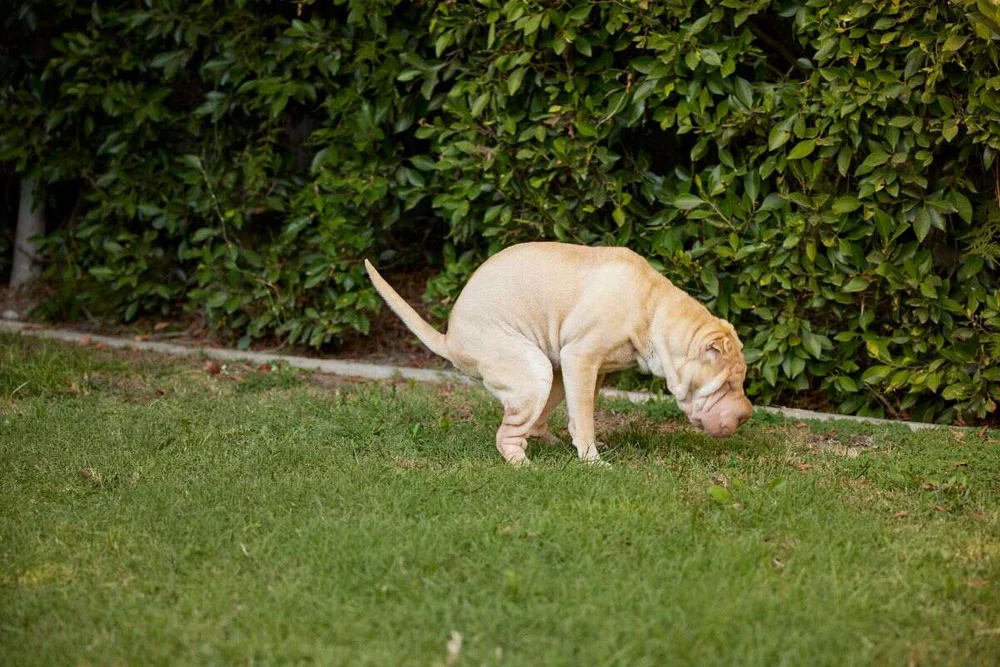
Dealing with a dog that has diarrhea can be stressful, even if they seem fine. As a dog owner, you naturally worry about their health and well-being. Diarrhea in dogs can stem from many things, like diet changes, infections, or health problems.
We’ll look into why your dog might have diarrhea. We’ll also give you tips on how to care for them. Knowing the causes and when to get vet help is key to your dog’s recovery and pet health.
Key Takeaways
- Common causes of dog diarrhea
- How to care for a dog with diarrhea
- When to seek veterinary help
- Tips for maintaining your dog’s overall health
- Preventive measures to avoid future episodes
Understanding Dog Diarrhea When Your Pet Seems Okay
Diarrhea in dogs can worry us, but if they seem fine, we need to find out why. Dog diarrhea comes from many things, and knowing these is key for pet owners.
Common Causes of Diarrhea in Healthy Dogs
There are many reasons a dog might have diarrhea but act normal. Two big ones are eating things they shouldn’t and stress or changes in their environment.
Dietary Indiscretions and Food Sensitivities
Dogs often eat things they shouldn’t, like trash or table scraps. These dietary indiscretions can upset their stomach and cause diarrhea. Some dogs also have food sensitivities that can affect their digestion.
Stress and Environmental Factors
Dogs, like people, can get stressed from changes, like moving or new pets. This stress can show up as diarrhea. Knowing these causes helps us manage it.
How to Assess Your Dog’s Overall Condition
When my dog has diarrhea but seems okay, checking their overall health is important. We need to watch for physical signs and changes in behavior.
Physical Signs to Monitor
Watch your dog’s physical health, like their appetite, energy, and stool. Here’s a table with important signs to look out for:
| Physical Sign | Normal Indicator | Abnormal Indicator |
|---|---|---|
| Appetite | Eats normally | Loss of appetite |
| Energy Levels | Active and playful | Lethargic or depressed |
| Stool Quality | Returns to normal consistency | Continues to be diarrhea or becomes bloody |
Behavioral Indicators of Well-Being
Watching your dog’s behavior is also key. If they act normally and do their usual things, it’s a good sign. But any changes in behavior are important.
By understanding why dogs get diarrhea and watching their health, we can help keep them well.
My Dog Has Diarrhea But Is Acting Fine: When Should I Be Concerned?
When your dog has diarrhea but seems okay, it’s important to figure out if it’s normal or not. Diarrhea can mean different things, like a simple upset stomach or something more serious. Knowing the difference is key.
Normal vs. Abnormal Diarrhea in Dogs
Diarrhea in dogs can be mild or a sign of a bigger problem. To tell if your dog’s diarrhea is normal, look at a few things.
Color and Consistency Indicators
The color and texture of your dog’s poop can tell you a lot. Normal dog stool is usually brown and firm. Diarrhea can look different, like:
- Yellow or green diarrhea might mean they ate something bad or have a bug.
- Bloody diarrhea is very serious and needs vet help right away.
- Watery diarrhea can make your dog dehydrated if not treated.
| Color/Consistency | Possible Cause | Action |
|---|---|---|
| Yellow/Green | Dietary indiscretion or infection | Monitor and adjust diet |
| Bloody | Serious infection or inflammation | Seek immediate veterinary care |
| Watery | Dehydration risk | Ensure proper hydration |
Duration and Frequency Considerations
How long and how often your dog has diarrhea matters too. Diarrhea that lasts a day or two is usually okay and will get better by itself. But if it keeps going or gets worse, you should see a vet.
Warning Signs That Require Immediate Veterinary Attention
Some diarrhea is mild and goes away on its own. But some signs mean you need to see a vet fast. These include:
- Vomiting
- Bloody diarrhea
- Severe abdominal pain
- Fever
- Lethargy
Monitoring Your Dog’s Behavior and Symptoms
Watching your dog closely is important. Look at their appetite, energy, and poop. If anything changes or gets worse, talk to your vet.
Home Treatment Options for Dog Diarrhea
Helping your dog feel better from diarrhea at home needs a careful plan. Follow these steps to help your dog recover quickly and safely.
Step 1: Implement a Brief Fasting Period
First, give your dog’s stomach a break. A 12 to 24 hour fast can calm it down. Make sure they have fresh water to avoid dehydration.
Step 2: Introduce a Bland Diet Gradually
After fasting, start with a bland diet. This includes boiled chicken and rice or other easy-to-digest foods.
Homemade Bland Diet Recipes
Making a bland diet at home is easy. Boil 1 pound of chicken and 1 cup of white rice. Mix them and add a bit of plain yogurt for digestion.
Commercial Options for Sensitive Stomachs
If making food at home is hard, try commercial dog foods for sensitive stomachs. Hill’s Science Diet and Royal Canin are good options.

Step 3: Ensure Proper Hydration
Diarrhea can cause dehydration fast. Make sure your dog drinks plenty of water. You can also add a bit of low-sodium chicken broth to their meals.
Step 4: Consider Safe Supplements and Remedies
Some supplements can help with diarrhea. Probiotics and fiber can aid digestion. Always check with your vet before using any medication.
Probiotics and Fiber Supplements
Probiotics like Lactobacillus and Bifidobacterium help balance gut bacteria. Fiber supplements can make stool firmer and support bowel health.
Over-the-Counter Medications (With Caution)
Some over-the-counter meds can manage diarrhea. But, always talk to your vet before giving any medication to your dog.
By following these steps and watching your dog’s health, you can help them get better from diarrhea. Always keep an eye on their condition. If symptoms get worse or don’t improve, see a vet.
When to Seek Veterinary Care for Your Dog’s Diarrhea
As a dog owner, knowing when to get vet help for diarrhea is key. Some cases can be handled at home. But, some need vet care to avoid serious issues.
Persistent Symptoms That Warrant a Vet Visit
If your dog’s diarrhea lasts more than a few days, it’s time to see a vet. Look out for signs of dehydration like too much thirst, dark urine, or skin that doesn’t bounce back. Bloody stools or vomiting with diarrhea are big warning signs too.

What to Expect at the Veterinary Appointment
At the vet, your dog will get a full check-up. The vet will look for dehydration, belly pain, or other problems.
Diagnostic Tests Your Vet May Perform
The vet might do tests like fecal exams for parasites, blood tests for health, and imaging for hidden issues.
Information to Share With Your Veterinarian
It’s important to tell your vet about your dog’s symptoms. Share how long the diarrhea has lasted, any changes in eating or acting, and any new foods or toxins.
Potential Treatments Your Vet May Recommend
Your vet might suggest changes in diet, fluids, or meds to manage symptoms. They might also recommend probiotics or supplements to fix your dog’s gut.
Knowing when to go to the vet and what to expect helps your dog get better from diarrhea. It keeps them healthy too.
Conclusion: Preventing Future Episodes of Diarrhea
To stop dog diarrhea, you need to care for your dog well. Watch what they eat and keep an eye on their health. Knowing what causes diarrhea in dogs is key to managing it.
Feeding your dog a balanced diet is very important. Slowly introducing new foods can prevent upset stomachs. Also, keeping their living area clean and stress-free helps a lot.
Regular vet visits are essential. Your vet can give you tips and spot problems early. This helps keep your dog healthy.
By taking care of your dog’s health, you can lower the chance of diarrhea. Create a caring environment and ask for vet advice when needed.