

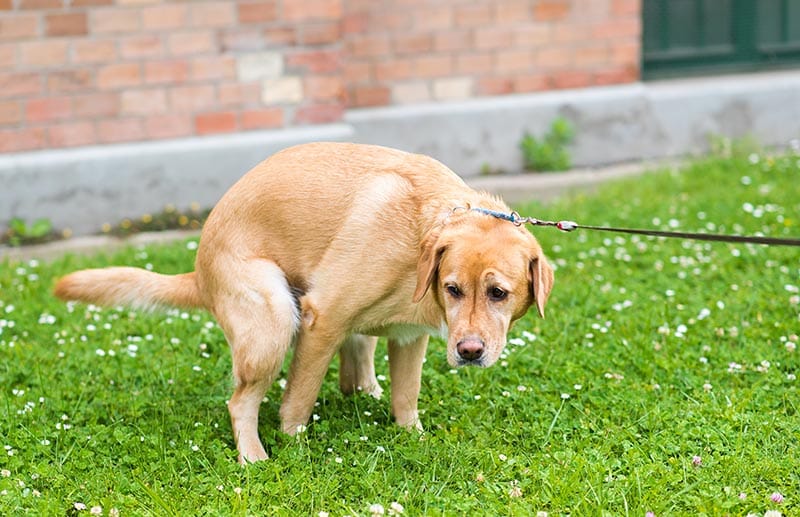
Seeing your dog with diarrhea is upsetting. I’ve been there and know how fast you want to find a fix. Diarrhea in dogs can come from eating things they shouldn’t, stress, or health issues.

It’s key to know the reasons and when to see a vet. Here, I’ll share some natural remedies for dog diarrhea. We’ll look at diet changes and herbal options. These are dog diarrhea home remedies you can try.
By the end, you’ll know how to help your dog and when to see a vet.
Understanding Dog Diarrhea: Causes and When to Worry
Diarrhea in dogs is more than just a minor issue. It can signal serious health problems. As a dog owner, knowing the causes, symptoms, and when to see a vet is key.
Common Causes of Dog Diarrhea
Dog diarrhea can stem from many sources. Knowing these causes helps you act quickly and effectively.
Dietary Indiscretion and Food Sensitivities
Dogs might eat things they shouldn’t, like trash or spoiled food. This can upset their stomach. Food allergies or sensitivities also cause diarrhea.
Stress and Environmental Factors
Stress or changes in a dog’s environment can cause diarrhea. This includes moving, changes in the family, or introducing a new pet.
Recognizing Symptoms and Severity Levels
Diarrhea varies in severity. It’s important to know the signs and how serious they are. c can range from mild to severe, including vomiting, tiredness, and blood in the stool.
| Symptom | Mild | Severe |
|---|---|---|
| Diarrhea Duration | Less than 2 days | More than 2 days |
| Blood in Stool | No | Yes |
| Vomiting | No | Yes |
| Lethargy | No | Yes |
When Home Remedies Are Safe vs. When to Call Your Vet Immediately
Some cases of dog diarrhea can be treated at home. But, others need vet care right away. If your dog’s symptoms are severe or you’re unsure, always check with your vet.
What Home Remedy Can I Give My Dog for Diarrhea: 5 Effective Solutions
Dog diarrhea can be tough to handle, but there are good home remedies. It’s important to pick safe and effective options for your dog.
Fasting: A 12-24 Hour Digestive Reset
Fasting your dog for 12 to 24 hours can help their digestive system. It gives the gut a chance to rest and recover. Make sure your dog drinks plenty of water to avoid dehydration.
The Bland Diet Approach: Rice and Boiled Chicken
After fasting, or as an option, a bland diet can help. Boiled chicken and rice are easy on the stomach and firm up stool. The ratio is typically 1 part chicken to 2 parts rice, but adjust based on your dog’s needs.
Pumpkin Power: Nature’s Digestive Regulator
Pumpkin is great for digestion. It has fiber that helps with bowel movements. Start with 1 teaspoon per 10 pounds of body weight and adjust as needed.
Probiotics: Restoring Healthy Gut Bacteria
Probiotics help balance your dog’s gut flora. They’re good if diarrhea is caused by imbalance or after antibiotics. You can find dog-specific probiotics in pet stores or online.
Bone Broth: Soothing Nutrition for Recovery
Bone broth is nutritious and easy to digest. It’s full of electrolytes and can make your dog drink more. You can make it by simmering bones in water.
| Remedy | Benefits | Administration Tips |
|---|---|---|
| Fasting | Gives digestive system a break | Ensure access to plenty of water |
| Bland Diet | Easy on the stomach, firms up stool | Use 1 part chicken to 2 parts rice |
| Pumpkin | Regulates bowel movements | Start with 1 tsp per 10 lbs body weight |
| Probiotics | Restores gut flora balance | Use dog-specific formulations |
| Bone Broth | Nourishing, encourages hydration | Simmer bones in water to make |
Hydration Strategies for Dogs with Diarrhea
Dehydration is a big risk for dogs with diarrhea. It’s key to keep them hydrated for their health and recovery.
Spotting the Warning Signs of Dehydration
It’s important to know when your dog is dehydrated. Look for dry gums, lethargy, and sunken eyes. If you see these signs, act fast to rehydrate your dog.
Homemade Electrolyte Solutions That Are Safe for Dogs
Homemade electrolyte solutions can help balance your dog’s fluids. Mix water, salt, and sugar in the right amounts. But, always check with your vet before giving any new remedies.

Creative Ways to Encourage Your Dog to Drink More
Getting your dog to drink more can be tough. Try using a favorite bowl or adding low-sodium chicken broth to their water. It might make them more interested in drinking.
Ice Cubes and Frozen Treats for Hydration
Ice cubes and frozen treats can make drinking fun for your dog. You can make frozen broth cubes or dog-safe fruit popsicles. They help keep your dog hydrated and happy.
Using these strategies can help your dog feel better from diarrhea. Always talk to your vet for advice that fits your dog’s needs.
Step-by-Step Guide to Administering Home Remedies
When your dog has diarrhea, a clear plan is key. This guide will help you care for your pet effectively.
Preparing a Proper Bland Diet: Ratios and Cooking Methods
Creating a bland diet is vital for dog diarrhea. Mix 1 part boiled chicken with 2 parts cooked white rice. Make sure the chicken is fully cooked and the rice is plain. Don’t add oils or seasonings to avoid upsetting your dog’s stomach.
The Right Way to Reintroduce Food After Fasting
After fasting for 12-24 hours, start with small bland diet portions. Slowly increase the amount over a few days. Watch your dog closely. If diarrhea comes back, talk to your vet.
Correct Dosages and Administration Tips for Common Remedies
Using remedies like pumpkin and probiotics needs the right amount.
Pumpkin Dosage by Dog Size
- Small dogs (under 20 lbs): 1 teaspoon
- Medium dogs (21-50 lbs): 2 teaspoons
- Large dogs (51+ lbs): 1 tablespoon
Probiotic Administration Techniques
Probiotics can be mixed into food or given directly. Always follow the product’s dosage instructions. Start with a small amount to check for tolerance.
Monitoring Your Dog’s Recovery and Response to Treatment
Watch your dog closely for any changes. Look for differences in diarrhea, appetite, and mood. If you see signs of dehydration or if diarrhea doesn’t get better, see your vet right away. Adjust the treatment based on what you see.
What NOT to Give Your Dog for Diarrhea: Avoiding Harmful Remedies
When your dog has diarrhea, it’s important to know what not to give them. Some remedies might seem helpful, but they can actually harm your pet.

Human Medications That Can Be Dangerous
Medications like Kaopectate and Imodium are toxic to dogs. They might seem like a quick solution, but they can cause serious health problems. Always check with your vet before giving your dog human medicine.
Also, avoid giving your dog foods that can make diarrhea worse. Rich or fatty foods can make their digestive issues even more severe.
Common Myths About Dog Diarrhea Treatments
There’s a lot of wrong information about treating dog diarrhea. Some think fasting is always the best first step. Others believe certain home remedies can cure it instantly. But, every dog is different, and what works for one might not work for another.
Knowing what not to give your dog for diarrhea is key to their recovery. By avoiding harmful remedies and using safe, proven treatments, you can help your dog get better faster.
Conclusion: Caring for Your Dog’s Digestive Health
Caring for your dog’s digestive health is key to their well-being. We’ve seen how dog diarrhea can stem from many causes. It’s important to find the root cause to treat it properly.
Using simple home remedies can help your dog feel better. A bland diet, probiotics, and staying hydrated are good steps. Also, it’s important to avoid giving your dog human medicines or other harmful items.
As a dog owner, taking care of their digestive health can greatly improve their life. By following the advice in this article, you can help your dog stay healthy. In short, caring for your dog’s digestive health is worth the effort for their happiness and health.