


Your dog won’t stop scratching, and you’ve noticed patches of missing fur. Mange, caused by microscopic mites burrowing into your dog’s skin, can turn your pet’s life miserable. But here’s the truth: while severe cases need veterinary care, many mild to moderate mange infections respond well to home treatment when caught early.
Treating mange at home requires understanding which type your dog has, maintaining strict hygiene protocols, and using proven remedies that kill mites and support skin healing. The right approach can eliminate mange within 4-8 weeks, but the wrong methods can spread the infection or miss a more serious condition.
In this guide, you’ll learn how to identify mange type, implement effective home treatments backed by veterinary science, prevent reinfection, and recognize when professional care becomes necessary.
Key Takeaways:
- Sarcoptic mange (scabies) spreads rapidly and requires aggressive treatment, while demodectic mange often resolves with immune support
- Home treatment works best for localized demodectic mange and mild sarcoptic cases caught within the first 2 weeks
- Lime sulfur dips kill mites on contact with 85-90% effectiveness when applied weekly for 4-6 weeks
- Apple cider vinegar and coconut oil provide symptom relief but won’t eliminate the mite infestation alone
- Dogs with generalized demodicosis or worsening symptoms despite home care need prescription medication immediately
What Is Mange in Dogs and Can You Treat It at Home?
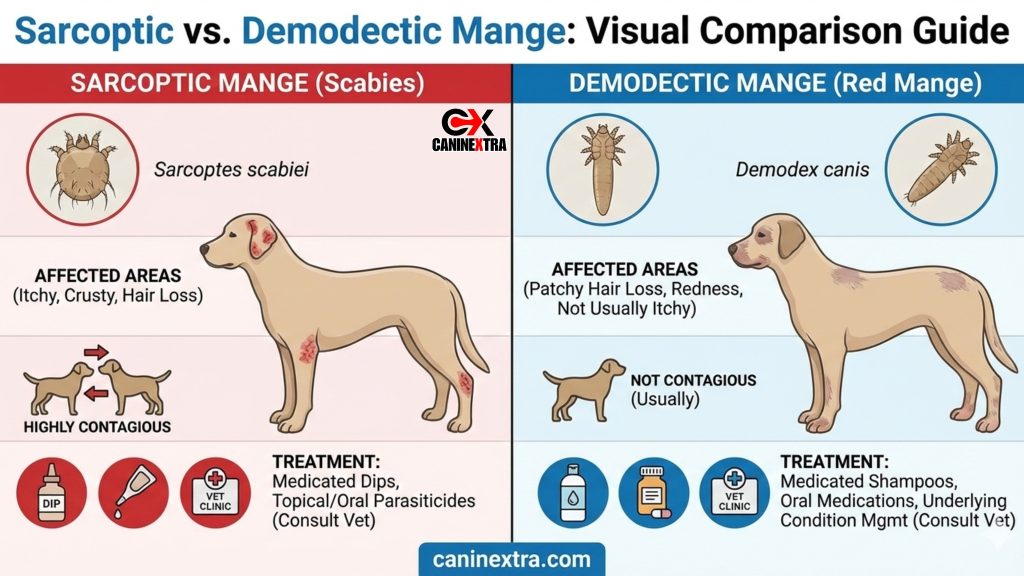
Mange in dogs is a skin condition caused by parasitic mites that burrow into or live on the skin surface, triggering intense itching, hair loss, and skin inflammation. Two primary types affect dogs: sarcoptic mange (caused by Sarcoptes scabiei mites) and demodectic mange (caused by Demodex canis mites).
Whether you can successfully treat mange at home depends entirely on three factors: mange type, severity, and your dog’s immune system health. Localized demodectic mange, small patches affecting less than five spots, resolves in 90% of puppies without treatment as their immune system matures. Mild sarcoptic mange caught within the first two weeks responds well to home treatment combined with strict environmental decontamination.
Home treatment should never replace veterinary diagnosis. A simple skin scrape test performed by your vet identifies the exact mite species and rules out similar conditions like allergies or fungal infections. Once diagnosed, mild to moderate cases can be managed at home under vet guidance, while severe or spreading infections require prescription medications like ivermectin or moxidectin.
The Critical Difference Between Mange Types
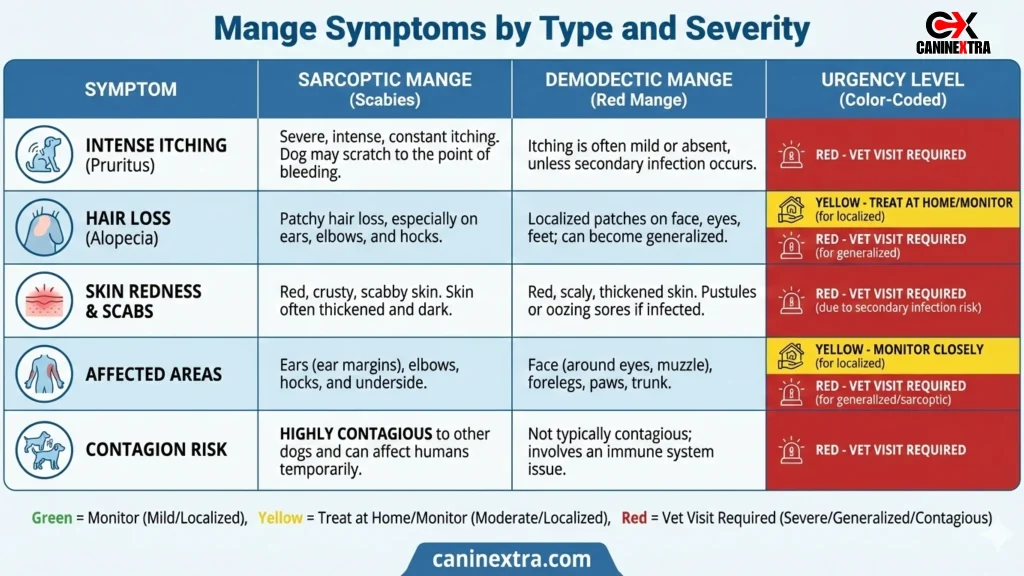
Sarcoptic mange is highly contagious to other pets and humans, causing intense itching that worsens at night. The mites burrow tunnels under the skin, and dogs with sarcoptic mange often develop thick, crusty skin on ear edges, elbows, and belly. Treatment must kill mites quickly to prevent spread.
Demodectic mange is not contagious. Nearly all dogs carry small numbers of Demodex mites transferred from their mother during nursing. Problems only develop when the immune system can’t control mite populations, common in puppies under 12 months, senior dogs, or dogs with underlying health conditions. This form responds better to immune support than aggressive mite killers.
When Home Treatment Is Appropriate:
- Localized demodectic mange (fewer than 5 small patches)
- Mild sarcoptic mange diagnosed within 14 days
- Puppy mange (demodectic) in dogs under 1 year
- Owner commitment to 6-8 weeks of consistent treatment
- No signs of secondary bacterial infection (no pus, fever, or foul odor)
When Veterinary Care Is Mandatory:
- Generalized mange covering more than 25% of the body
- Symptoms worsening after 2 weeks of home treatment
- Signs of secondary infection (oozing sores, smell, fever)
- Multiple pets or humans in household showing symptoms
- Dogs with compromised immune systems (on steroids, cancer, Cushing’s disease)
How to Diagnose Mange in Dogs at Home
While only a vet can definitively diagnose mange through skin scrapes, you can identify strong warning signs at home that indicate your dog needs testing.
Visual Symptoms Checklist
Sarcoptic Mange Indicators:
- Sudden onset of severe scratching, especially at night
- Hair loss starting on ear edges, elbows, hocks, and belly
- Red, inflamed skin with small bumps or pimple-like lesions
- Thick, yellow crusting on affected areas within 2-3 weeks
- Weight loss due to constant discomfort affecting appetite
- Skin feels thickened and leathery in advanced cases
Demodectic Mange Indicators:
- Gradual hair loss creating circular bald patches
- Affected areas typically around eyes, mouth, and front legs initially
- Skin appears grayish, scaly, or slightly reddened but not intensely inflamed
- Mild itching or none at all in early stages
- More common in puppies 3-12 months old
- May coincide with stress (new home, vaccination, illness)
The Pinnal-Pedal Reflex Test
This simple test helps identify sarcoptic mange with about 80% accuracy. Gently rub the edge of your dog’s ear flap between your fingers for 5-10 seconds. If your dog has sarcoptic mange mites on the ears, they’ll involuntarily scratch with their hind leg, called the pinnal-pedal reflex. This happens because the mites’ movement triggers the itch sensation. However, a negative result doesn’t rule out mange, as mites may not yet have reached the ears.
Documenting Progression
Take clear, close-up photos of affected areas every 3-4 days. This creates a visual timeline showing whether patches are expanding or shrinking. Measure the largest bald patch with a ruler, write the dimensions on paper visible in the photo. This documentation proves invaluable when assessing treatment effectiveness or explaining symptoms to your vet.
Important: Mange symptoms overlap with allergies, ringworm, and hormonal conditions. A definitive diagnosis requires a skin scrape examination under a microscope. Even if home treatment seems to work initially, visit your vet if symptoms persist beyond three weeks or worsen at any point.
Effective Home Treatments for Mange in Dogs
Home treatment for mange combines topical applications that kill mites, supportive care that promotes skin healing, and environmental decontamination that prevents reinfection. Success requires consistency, missing even two treatments can allow mite populations to rebound.
Lime Sulfur Dips: The Gold Standard Home Treatment
Lime sulfur solution remains the most effective over-the-counter treatment for both sarcoptic and demodectic mange, with studies showing 85-90% mite kill rates when used correctly. This yellow-orange liquid, available at farm supply stores and online, contains calcium polysulfide that suffocates mites on contact.
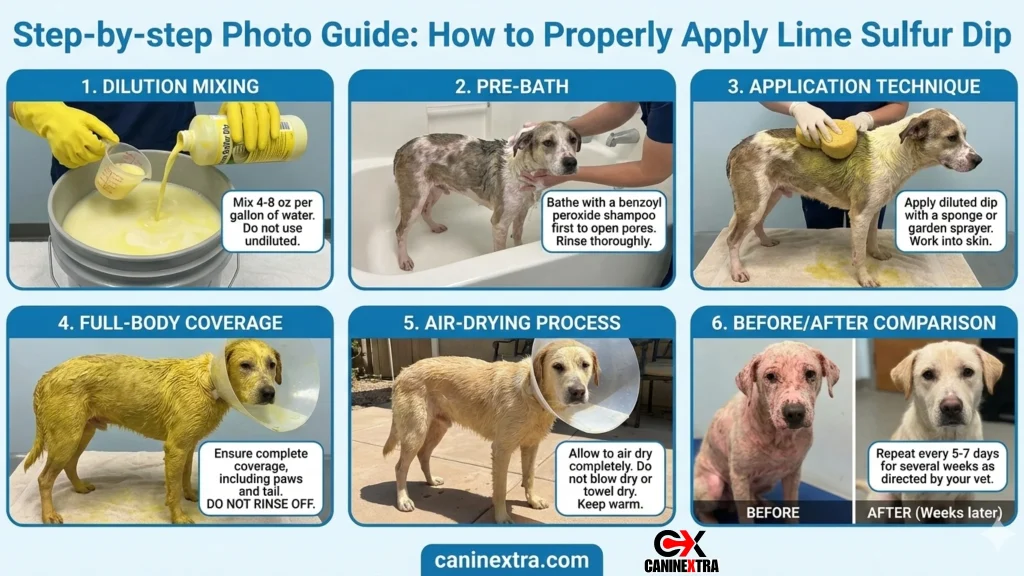
How to Prepare and Apply Lime Sulfur Dips:
- Dilute properly: Mix 4 ounces of concentrated lime sulfur per gallon of warm water in a plastic bucket or tub. Never use metal containers, sulfur reacts with metal.
- Pre-bath preparation: Wash your dog with a mild, soap-free shampoo to remove debris and oils. Towel dry but leave slightly damp, this helps the dip penetrate better.
- Application technique: Pour the lime sulfur solution over your dog’s entire body, avoiding eyes and mouth. Use a sponge to apply to the face area. Massage thoroughly into the coat for 2-3 minutes, ensuring the solution reaches the skin surface.
- Do NOT rinse: Let the solution air dry on your dog. The residue continues killing mites for 48-72 hours. Yes, your dog will smell like rotten eggs, this is normal and fades within 24 hours.
- Treatment frequency: Apply once weekly for 6 consecutive weeks minimum. Sarcoptic mange requires 6-8 dips; demodectic mange may need 8-10 treatments.
Safety Warnings:
- Lime sulfur temporarily stains light-colored coats yellowish (returns to normal after treatment ends)
- Perform dips outdoors or in a well-ventilated bathroom, sulfur fumes irritate lungs
- Wear gloves and old clothes, lime sulfur stains fabrics and jewelry
- Keep solution off porous surfaces (grout, unsealed wood) as it causes permanent discoloration
Apple Cider Vinegar: Symptom Relief and pH Balancing
Apple cider vinegar doesn’t kill mange mites but helps manage secondary symptoms by balancing skin pH and reducing bacterial growth. The acidic environment makes skin less hospitable to mites and bacteria that commonly infect mange lesions.
Application Method: Mix equal parts raw, unfiltered apple cider vinegar with water in a spray bottle. Spray affected areas twice daily after bathing or between lime sulfur treatments. Let air dry. For dogs with open sores, dilute further (1 part vinegar to 2 parts water) to avoid stinging.
The acetic acid in vinegar provides immediate itch relief for 30-60 minutes, buying your dog temporary comfort between treatments. However, vinegar alone won’t eliminate the mite infestation, always combine with lime sulfur dips or veterinary medications.
Coconut Oil: Healing and Barrier Protection
Coconut oil contains lauric acid, a medium-chain fatty acid with mild antiparasitic and antibacterial properties. While coconut oil won’t cure mange, it excels at soothing inflamed skin, promoting hair regrowth, and creating a barrier that suffocates surface mites.
How to Use Coconut Oil for Mange: Apply organic, virgin coconut oil directly to affected areas twice daily. Warm it between your hands until liquid, then massage into bald patches and surrounding areas. For dogs with widespread mange, add 1 teaspoon per 10 pounds of body weight to food daily—the internal fatty acids support skin healing from inside out.
Coconut oil works best as a complementary treatment between lime sulfur dips. Apply it on days 3-4 after dipping when the sulfur residue has worn off but before the next weekly treatment. The oil keeps skin moisturized, reducing flaking and itching.
Hydrogen Peroxide and Borax Paste: Controversial but Effective
This home remedy combines 1% hydrogen peroxide with borax powder to create an antiparasitic paste. While not scientifically studied in controlled trials, many dog owners report success, especially with demodectic mange. The solution works by oxidizing mite cell membranes and altering skin pH.
Preparation and Application:
- Mix 2 cups of 1% hydrogen peroxide with 4 tablespoons of borax powder until dissolved
- Bathe your dog with mild soap and towel dry
- Sponge the solution over entire body, saturating the coat
- Let air dry completely, do not rinse
- Apply once every 3 days for 4 weeks
Critical Safety Concerns:
- Use only 1% hydrogen peroxide solution (the strength sold for wound care)
- Never use 3% hydrogen peroxide, it’s too harsh and burns skin
- Borax can be toxic if ingested in large amounts, prevent licking with an E-collar
- This treatment is more aggressive than lime sulfur and may cause skin irritation in some dogs
- Discontinue immediately if you notice increased redness, swelling, or signs of chemical burn
Veterinary Perspective: Many vets discourage this treatment due to toxicity risks and lack of controlled studies. However, some acknowledge effectiveness when used carefully. Always inform your vet if using this method, don’t hide it out of fear they’ll disapprove.
Medicated Baths and Shampoos
Between lime sulfur dips, use benzoyl peroxide shampoo (2.5-3% concentration) twice weekly. Benzoyl peroxide opens hair follicles where Demodex mites hide, allowing topical treatments to penetrate deeper. It also flushes out keratin debris and sebum that mites feed on.
Bathing Protocol:
- Wet dog thoroughly with warm water
- Apply benzoyl peroxide shampoo, lathering entire body
- Let sit for 10 minutes before rinsing, this contact time is essential
- Rinse completely (benzoyl peroxide residue dries out skin excessively)
- Follow with a moisturizing rinse or leave-in conditioner
Look for shampoos containing chlorhexidine or ketoconazole if your dog has developed secondary bacterial or yeast infections, common complications in mange cases. These antimicrobial ingredients prevent infection while you treat the underlying mite problem.
Neem Oil: Natural Insecticide
Neem oil, extracted from the seeds of the neem tree, contains azadirachtin, a compound that disrupts mite reproduction and feeding. While less potent than lime sulfur, neem oil works as a gentler alternative for dogs with sensitive skin or mild demodectic mange.
Application Guidelines: Mix 1 part neem oil with 10 parts carrier oil (coconut oil works well) or purchase a pre-diluted neem oil pet spray. Apply to affected areas twice daily. For full-body treatment, add 1-2 teaspoons of neem oil to your dog’s bath water and soak for 10 minutes twice weekly.
Neem oil requires 4-6 weeks of consistent use before showing results. It’s best suited for localized demodectic mange in puppies where aggressive treatment might be too harsh. Never apply undiluted neem oil directly to skin, it causes irritation and has an extremely bitter taste that makes dogs drool excessively if licked.
Environmental Decontamination: Essential for Treatment Success
Treating your dog while ignoring their environment guarantees reinfection. Sarcoptic mange mites survive off the host for 4-6 days; Demodex mites die within hours but eggs can remain in bedding. Thorough environmental cleaning must happen simultaneously with topical treatments.
Daily Decontamination Routine
Bedding and Fabric Items:
- Wash all dog bedding, blankets, and toys in hot water (140°F minimum) with regular detergent
- Dry on high heat for at least 30 minutes, heat kills mites and eggs
- Repeat washing every 2-3 days during active treatment phase
- For items that can’t be washed, seal in plastic bags for 5-7 days (sarcoptic mites starve)
Furniture and Carpets:
- Vacuum all carpeted areas, upholstered furniture, and car interiors daily
- Immediately dispose of vacuum bags or empty canisters outside
- Steam clean carpets weekly using 160°F+ water temperature
- Consider using diatomaceous earth (food-grade) on carpets, leave for 4 hours then vacuum thoroughly
Hard Surfaces:
- Disinfect dog crates, floors, and hard furniture with a 1:32 dilution of bleach solution
- Let surfaces contact bleach solution for 10 minutes before wiping
- Pay special attention to areas where your dog sleeps or scratches frequently
Dog Equipment:
- Soak collars, leashes, and harnesses in hot, soapy water for 30 minutes
- Replace grooming brushes and combs, mites hide in bristles
- Disinfect food and water bowls daily with hot, soapy water
Preventing Cross-Contamination
If you have multiple pets, isolate the infected dog during treatment. Sarcoptic mange spreads through direct contact, even brief encounters transmit mites. Create a quarantine area where the infected dog stays until completing at least 4 full treatments showing improvement.
For households with sarcoptic mange, all dogs and cats should receive preventive treatment even if asymptomatic. Cats can carry sarcoptic mange mites without showing symptoms, silently reinfecting treated dogs. Consult your vet about safe treatment for all pets simultaneously.
Human Precautions: Sarcoptic mange transfers to humans, causing temporary itchy red bumps typically on arms, waist, and chest. These self-resolve within 3 weeks once you treat your dog, but dermatologist-prescribed antihistamines and topical steroids relieve symptoms. Wear long sleeves and gloves when handling infected dogs, and wash hands thoroughly after any contact.
Nutritional Support to Boost Immune Response
Dogs with strong immune systems control mange mites naturally. Nutritional support accelerates healing and prevents demodectic mange recurrence, critical since this form results from immune weakness rather than high mite numbers.
Essential Supplements for Mange Recovery
Omega-3 Fatty Acids: Fish oil rich in EPA and DHA reduces skin inflammation and supports immune cell function. Administer 75-100 mg EPA/DHA combined per 10 pounds body weight daily. For a 50-pound dog, this equals roughly 1,000 mg total omega-3s daily. Use high-quality fish oil specifically formulated for dogs, human supplements often contain vitamin D levels toxic to dogs.
Vitamin E: This antioxidant protects skin cells from damage during mite infestation and accelerates tissue repair. Give 100-400 IU daily depending on dog size (small breeds get 100 IU; large breeds up to 400 IU). Always use natural vitamin E (d-alpha tocopherol) rather than synthetic (dl-alpha tocopherol), dogs absorb natural forms twice as effectively.
Vitamin C: While dogs produce their own vitamin C, supplementation during mange treatment supports collagen production for faster skin healing. Provide 250-500 mg daily for dogs under 50 pounds; 500-1,000 mg for larger dogs. Start with lower doses and increase gradually, too much vitamin C at once causes diarrhea.
Zinc: Zinc deficiency correlates strongly with demodectic mange severity in multiple studies. Supplement with zinc gluconate or zinc chelate (not zinc oxide, poorly absorbed) at 10-15 mg per day for dogs under 50 pounds; 15-25 mg for larger breeds. Never exceed these amounts—zinc toxicity causes serious gastrointestinal and neurological problems.
Dietary Improvements That Make a Difference
Switch to high-quality protein sources during mange treatment. Protein provides the amino acids required for skin cell regeneration and antibody production. Look for foods listing real meat (chicken, beef, fish) as the first ingredient, avoiding meat by-products and excessive grain fillers.
Consider adding bone broth to meals. Homemade bone broth contains collagen, glucosamine, and minerals that accelerate healing. Simmer beef or chicken bones with a tablespoon of apple cider vinegar in water for 12-24 hours, strain, and add 2-4 tablespoons per meal for dogs under 50 pounds; ¼-½ cup for larger dogs.
Probiotics restore gut health, which houses 70% of the immune system. Give a dog-specific probiotic containing multiple Lactobacillus and Bifidobacterium strains at least 5 billion CFU daily. Separate probiotic administration from antibiotic treatment by 2-3 hours if your vet prescribes antibiotics for secondary infections.
Treatment Timeline: What to Expect Week by Week
Understanding the healing process prevents premature treatment discontinuation, the most common reason for mange treatment failure.
Week 1-2: The “Worse Before Better” Phase
Don’t panic when symptoms initially worsen. Dying mites release toxins that trigger inflammation, making itching temporarily more intense. Your dog may scratch more in days 3-7 of treatment. Hair loss might expand slightly as treatment dislodges mites from deep within follicles.
Expected Changes:
- Itching severity peaks then gradually decreases by day 10-14
- Skin may appear redder initially, then inflammation starts fading
- No new bald patches should develop
- Energy levels begin improving as discomfort decreases
Week 3-4: Visible Improvement
By week three, you should observe clear progress. Itching reduces by 40-50% compared to pre-treatment levels. Skin transitions from red and inflamed to pink and healing. The earliest signs of hair regrowth appear as fine, light-colored fuzz in previously bald areas.
Expected Changes:
- Crusty skin softens and begins flaking off
- Red inflammation fades to light pink
- Bald patches stop expanding and may slightly reduce in size
- First peach fuzz appearance in treatment areas
- Dog’s mood and appetite noticeably improve
Week 5-8: Resolution Phase
Most cases show substantial improvement by week 6-8 with complete healing occurring weeks 8-12. Hair regrowth accelerates during this phase, though full coat restoration takes 3-4 months after mites are eliminated.
Expected Changes:
- Itching reduced by 75-90%
- Hair regrows rapidly, though color may appear lighter initially
- Skin texture returns to normal suppleness
- Appetite and energy fully restored
- Follow-up skin scrapes should show zero mites
Treatment Completion Criteria: Don’t stop treatment the moment symptoms improve. Complete the full 6-8 week protocol even if your dog looks healed by week 4. Stopping early allows remaining eggs to hatch and restart the infestation. Only discontinue after two consecutive negative skin scrapes taken 4 weeks apart.
Signs Treatment Isn’t Working
If you don’t see ANY improvement by week 3, or if symptoms actively worsen, the home treatment has failed. This indicates either misdiagnosed mange type, secondary complications, or mites resistant to the treatment method.
Failure Indicators:
- New bald patches developing after week 2
- Spreading to previously unaffected body areas
- Fever (temperature above 102.5°F)
- Lethargy, appetite loss, or weight loss
- Pus-filled bumps or oozing sores (bacterial infection)
- Foul odor emanating from skin
When home treatment fails, your dog needs prescription medication. Injectable or oral ivermectin, moxidectin, or milbemycin kill mites systemically and work in cases where topical treatments fail. These medications require veterinary supervision, certain breeds carry genetic mutations making them sensitive to ivermectin.
Preventing Dog Mange Reinfection and Recurrence
Once you’ve conquered mange, prevention strategies keep mites from returning. Demodectic mange recurrence happens in 20-30% of dogs within the first year if underlying immune issues aren’t addressed.
Strengthening Your Dog’s Immune System
Stress weakens immune function, making dogs vulnerable to demodectic mange outbreaks. Maintain consistent routines, provide adequate exercise, and minimize major life changes during the recovery period.
Support your dog’s immune system naturally through proper nutrition, regular exercise, and avoiding unnecessary medications that suppress immunity. Keep vaccinations up to date but discuss titer testing with your vet to avoid over-vaccination in immune-compromised dogs.
Treat underlying health conditions that weaken immunity. Dogs with Cushing’s disease, diabetes, or hypothyroidism face higher demodectic mange risk. Work with your vet to optimize management of chronic conditions.
Environmental Vigilance
Even after treatment completion, maintain elevated hygiene standards for 3-4 months:
- Wash bedding weekly in hot water
- Vacuum carpeted areas twice weekly
- Disinfect sleeping areas monthly
- Replace old bedding and toys every 2-3 months
Monitoring for Early Recurrence
Check your dog’s skin weekly during the six months following treatment. Look for the earliest signs: small patches of thinning hair, mild redness, or increased scratching in localized areas. Catching recurrence early allows intervention before generalized mange develops.
Dogs who developed generalized demodectic mange once face 30-40% recurrence risk. Consider monthly topical or oral mite preventives containing ingredients like moxidectin or selamectin. These medications prevent mite population explosions while your dog’s immune system fully matures or stabilizes.
Frequently Asked Questions
Can I use ivermectin for mange at home without a vet prescription?
Never administer ivermectin without veterinary guidance. While available at farm supply stores, improper dosing causes serious neurological side effects including seizures, blindness, and death, especially in herding breeds (Collies, Australian Shepherds, Shelties) with MDR1 gene mutations. A vet calculates precise dosing based on your dog’s weight, breed, and mange type. Injectable ivermectin for mange requires weekly doses at specific concentrations far different from heartworm prevention levels.
How long does it take to cure mange with home remedies?
Localized demodectic mange typically resolves in 6-8 weeks with consistent home treatment. Sarcoptic mange requires 4-6 weeks of aggressive treatment before complete elimination. Generalized demodectic mange takes 8-12 weeks minimum and usually needs prescription medications alongside home care. Hair regrowth continues for 3-4 months after mite elimination. Treatment success depends on treatment consistency, missing applications extends recovery time significantly.
Is mange contagious to other pets and humans?
Sarcoptic mange is highly contagious to other dogs, cats, and humans through direct contact. Mites transfer within minutes of physical interaction. Isolate affected dogs immediately and treat all household pets preventively. Demodectic mange is not contagious, it results from mites already present on your dog that overpopulate when the immune system weakens. Healthy dogs and humans can’t “catch” demodectic mange from infected dogs.
Can I treat my puppy’s mange differently than an adult dog’s mange?
Puppies with localized demodectic mange often need no treatment beyond immune system support ,90% of cases resolve spontaneously by 12-16 months as the immune system matures. However, if treatment is necessary, use gentler methods like diluted lime sulfur or neem oil. Avoid aggressive treatments like hydrogen peroxide-borax combinations in puppies under 6 months, their skin is more sensitive. Puppies with generalized demodicosis require prescription medications, as spontaneous resolution is unlikely.
What’s the difference between treating sarcoptic vs demodectic mange at home?
Sarcoptic mange treatment focuses on rapidly killing highly contagious mites through weekly lime sulfur dips for 6-8 weeks, combined with intensive environmental decontamination daily. Demodectic mange treatment emphasizes immune system support through nutrition and supplements, using gentler topical treatments over longer periods (8-12 weeks). Sarcoptic mange requires treating all household pets simultaneously; demodectic mange doesn’t since it’s not contagious. Both types benefit from benzoyl peroxide baths and good nutrition, but the urgency and aggressiveness differ dramatically.
Can diet alone cure mange in dogs?
No. While proper nutrition and supplements strengthen immune response against Demodex mites, diet alone can’t eliminate established mite infestations. Nutritional support works as complementary therapy alongside topical or systemic treatments. Dogs with mild demodectic mange may show improvement with diet optimization, but this takes 4-6 months and isn’t guaranteed. Always combine nutritional strategies with proven antiparasitic treatments for reliable results.
Should I use an E-collar on my dog during mange treatment?
Yes, in most cases. An Elizabethan collar (E-collar or cone) prevents your dog from licking treatment solutions off their skin, which reduces effectiveness and causes potential toxicity. More importantly, constant scratching and chewing worsen skin damage and introduce bacteria that cause secondary infections. Keep the E-collar on 24/7 except during supervised activities. Most dogs adjust within 2-3 days. Inflatable donut-style collars provide a more comfortable alternative if your dog tolerates them.
How do I know if my dog has developed a secondary bacterial infection?
Secondary bacterial infections complicate 40-60% of mange cases. Warning signs include foul-smelling skin, pus-filled bumps (pustules), greasy or sticky discharge from lesions, fever above 102.5°F, increased lethargy, and loss of appetite. The skin may feel hot to touch and appear more swollen than typical mange inflammation. If you notice these symptoms, stop home treatment and see your vet immediately, bacterial infections require antibiotic therapy. Continuing topical treatments alone when infection is present worsens the condition and can lead to systemic infection.
Can natural remedies like tea tree oil cure mange?
Tea tree oil should never be used on dogs for mange treatment. While it has antiparasitic properties, tea tree oil is toxic to dogs even in small amounts. Ingestion or skin absorption causes tremors, weakness, vomiting, and potentially liver damage. The risks far outweigh any potential benefits. Stick with proven safe treatments like lime sulfur dips, neem oil (properly diluted), coconut oil, and veterinary-approved medications. Other dangerous “natural” remedies to avoid include motor oil, kerosene, and turpentine, all recommended in outdated sources but cause severe toxicity.
Will my dog’s hair grow back after mange treatment?
Yes, in most cases hair regrows fully within 3-4 months after successful treatment. Hair initially appears lighter in color or different in texture but normalizes over time. However, severe cases where mange caused permanent follicle damage may result in thin hair or bald spots in affected areas. Older dogs and those with prolonged untreated mange face higher risk of permanent hair loss. Supporting regrowth with omega-3 supplements, biotin, and quality protein accelerates the process. If hair hasn’t started regrowing by 6-8 weeks post-treatment, consult your vet to check for thyroid issues or other underlying problems.
Can I prevent mange in my healthy dog?
For sarcoptic mange prevention, avoid contact with infected animals and maintain good hygiene. Regular flea and tick preventives containing moxidectin or selamectin also prevent sarcoptic mange mites. For demodectic mange prevention, focus on overall health: feed quality nutrition, maintain ideal body weight, provide regular exercise, minimize stress, and avoid unnecessary immunosuppressive medications (steroids). Puppies from parents with demodectic mange history face increased risk, responsible breeders avoid breeding dogs with generalized demodicosis.
Is home treatment safe if my dog is on other medications?
Inform your vet about all home treatments you plan to use, especially if your dog takes prescription medications. Lime sulfur can interact with certain medications and is contraindicated in dogs on specific drugs. Coconut oil and fish oil supplements may increase bleeding risk in dogs on anticoagulants. Some antibiotics interact poorly with topical treatments. Your vet can adjust medication timing or recommend treatment modifications to ensure safety. Never discontinue prescribed medications to start home treatment without veterinary approval.
Conclusion
Treating mange at home successfully requires accurate diagnosis, consistent application of proven remedies, thorough environmental decontamination, and patience through the 6-12 week healing process. Localized demodectic mange and early-stage sarcoptic mange respond well to lime sulfur dips, supportive nutrition, and diligent hygiene protocols when started promptly.
Remember that home treatment works best for mild to moderate cases, generalized mange, worsening symptoms, or signs of secondary infection demand professional veterinary care immediately. The goal isn’t replacing veterinary medicine but complementing it with effective home strategies that accelerate healing while saving costs on routine supportive care.
Monitor your dog’s progress weekly through photographs and symptom tracking. Improvement should be evident by week 3, with substantial resolution by weeks 6-8. Complete the full treatment protocol even when symptoms disappear early, this prevents resistant mite populations from reemerging.
Your Next Step: Start with a veterinary skin scrape to confirm mange type and rule out other conditions. Once diagnosed, begin weekly lime sulfur dips immediately while implementing environmental cleaning protocols. Add omega-3 supplements (75-100 mg combined EPA/DHA per 10 pounds body weight) and vitamin E (100-400 IU based on size) to meals. Document progress with weekly photos, and don’t hesitate to escalate to prescription treatment if home methods don’t show clear improvement by week 3.
