

Your dog’s immune system fights off threats every single day. From bacteria in contaminated water to viruses at the dog park, your pet faces constant challenges that most owners never see.
A dog’s immune system is a complex network of organs, cells, and proteins working together to identify and eliminate harmful invaders. When this system functions properly, your dog stays healthy and energetic. When it fails, even minor infections can become life-threatening conditions.
In this guide, you’ll discover exactly how the canine immune system works, what causes it to weaken, and seven science-backed strategies to strengthen your dog’s natural defenses starting today.
Key Takeaways:
- The canine immune system consists of physical barriers, innate immunity, and adaptive immunity working together
- Nearly 70% of immune cells reside in the gut, making digestive health critical for immunity
- Puppies lack complete immunity until 16 weeks after vaccination starts
- Chronic stress suppresses immune function by up to 40% in dogs
- Proper nutrition, exercise, and sleep form the foundation of strong immunity
- Senior dogs experience immunosenescence (immune decline) after age 7-8 in large breeds
- Specific supplements like omega-3 fatty acids and probiotics provide measurable immune support
What Is the Dog Immune System?
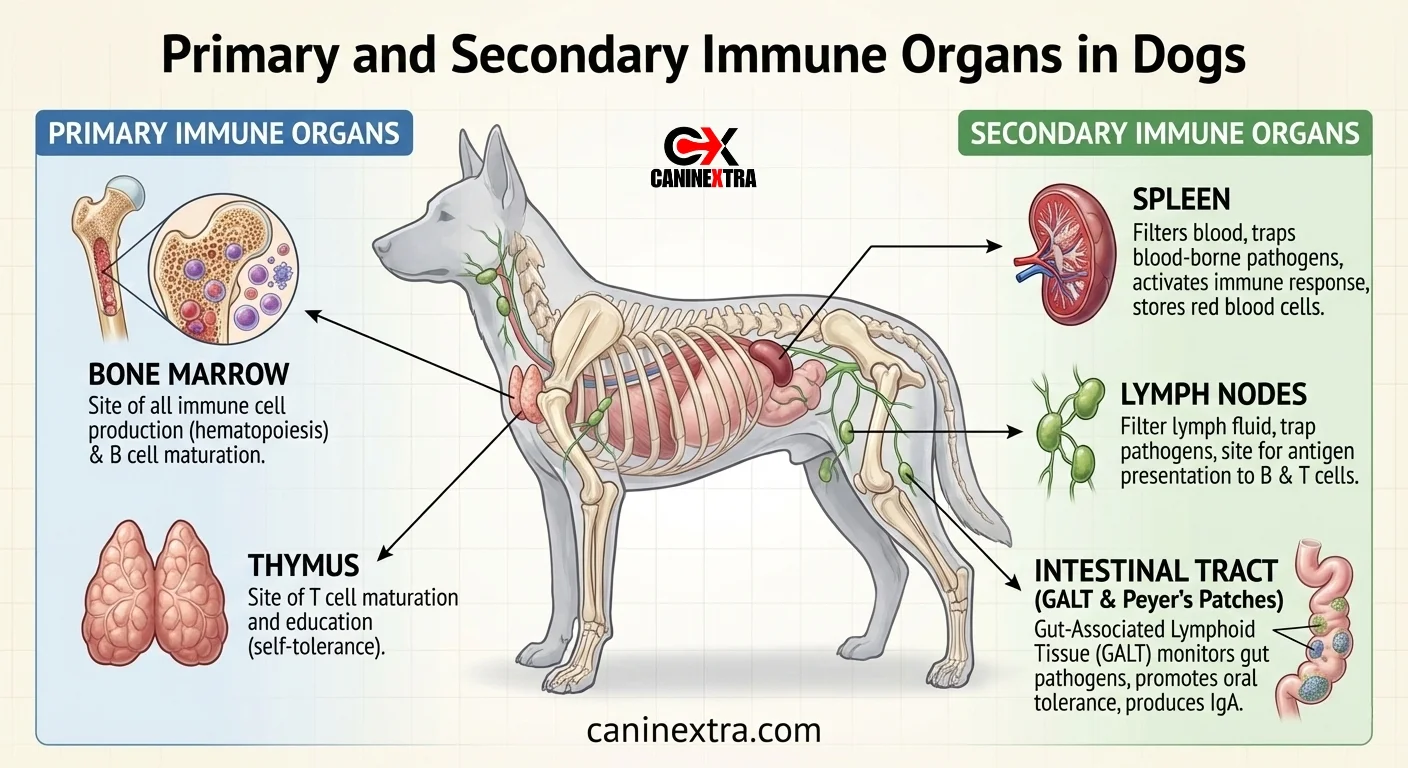
The dog immune system is a sophisticated network of specialized cells, tissues, organs, and proteins that work continuously to protect your pet’s body from harmful invaders like bacteria, viruses, fungi, and parasites. This system operates throughout the entire body through the blood, bone marrow, lymph nodes, thymus gland, spleen, and gastrointestinal tract.
Think of your dog’s immune system as a highly trained security team. Some guards patrol the perimeter (physical barriers), others respond immediately to intruders (innate immunity), while specialists remember specific threats and mount targeted attacks (adaptive immunity).
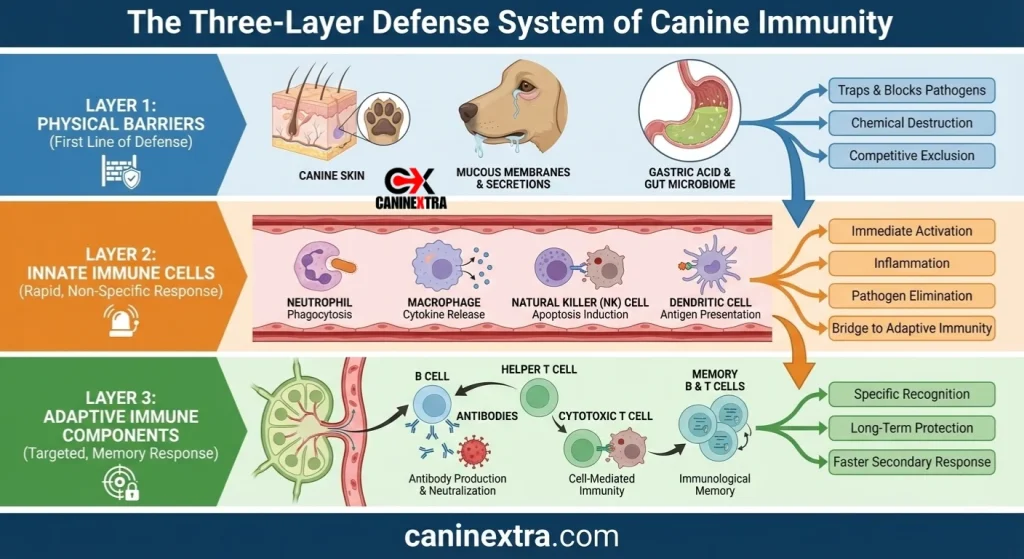
The Three Lines of Defense
Physical Barriers: Your dog’s skin, mucous membranes, and stomach acid create the first line of defense. These barriers prevent most pathogens from entering the body.
Innate (Nonspecific) Immunity: Present from birth, this system includes white blood cells like neutrophils and macrophages that respond quickly to any threat without discrimination. When tissue damage occurs, inflammation signals these cells to rush to the affected area.
Adaptive (Specific) Immunity: This learned defense develops as your dog encounters different pathogens. B cells produce antibodies that recognize specific invaders, while T cells coordinate attacks and remember threats for faster future responses.
How Does Your Dog’s Immune System Actually Work?
Your dog’s immune system operates through a coordinated response involving multiple organs and millions of specialized cells.
Primary Immune Organs
Bone Marrow: Located inside bones, bone marrow produces all blood cells including white blood cells essential for immune function. Every day, your dog’s bone marrow generates millions of new immune cells.
Thymus Gland: Positioned near the heart, the thymus trains T-cells to distinguish between the body’s own cells and foreign invaders. This organ is largest in puppies and gradually shrinks as dogs age, explaining why young and senior dogs have different immune capabilities.
Secondary Immune Organs
Lymph Nodes: These small, bean-shaped structures filter lymph fluid and trap microorganisms. When fighting infection, lymph nodes often swell as they fill with immune cells.
Spleen: The largest lymphatic organ filters blood, removes old red blood cells, and stores white blood cells ready for deployment.
Gut-Associated Lymphoid Tissue (GALT): Approximately 70% of your dog’s immune system resides in the gastrointestinal tract. This massive concentration of immune cells monitors everything your dog eats or drinks, explaining why gut health directly impacts overall immunity.
The Immune Response Process
When a pathogen enters your dog’s body, the immune response follows these steps:
- Recognition: Immune cells identify foreign antigens through unique molecular patterns
- Mobilization: Chemical signals alert and recruit immune cells to the threat location
- Attack: White blood cells engulf and destroy invaders, while antibodies neutralize pathogens
- Memory Formation: Specialized cells remember the invader, enabling faster responses to future encounters
This is why vaccinations work – they train the adaptive immune system to recognize dangerous pathogens without causing actual disease.
What Weakens Your Dog’s Immune System?
Multiple factors can compromise canine immunity, making your dog vulnerable to infections and diseases.
Nutritional Deficiencies
A diet lacking essential nutrients directly impairs immune cell production and function. Dogs deficient in vitamin E show reduced antibody responses. Zinc deficiency decreases white blood cell activity by up to 30%. Insufficient protein intake limits the body’s ability to produce antibodies and repair tissues.
Chronic Stress
Prolonged stress triggers cortisol release, which actively suppresses immune function. Dogs experiencing ongoing anxiety, inadequate socialization, or environmental stressors produce fewer protective antibodies and show delayed wound healing. Research indicates stressed dogs have 40% lower immune cell activity compared to relaxed dogs.
Age-Related Decline (Immunosenescence)
As dogs age, their immune system gradually weakens through a process called immunosenescence. Large breed dogs begin showing immune decline around 7-8 years, while smaller breeds maintain stronger immunity until 10-12 years. This natural aging process reduces T-cell production, slows antibody responses, and increases susceptibility to infections and autoimmune diseases.
During my 18 years in veterinary practice, I’ve observed that senior dogs with compromised immunity often develop chronic infections that younger dogs would easily clear within days.
Underlying Health Conditions
Certain diseases directly attack or weaken the immune system:
- Diabetes mellitus impairs white blood cell function
- Cushing’s disease causes immune suppression through excess cortisol
- Cancer diverts resources and damages immune tissues
- Autoimmune diseases cause the immune system to attack healthy cells
- Parasitic infections drain nutrients needed for immune function
Medications and Medical Treatments
Corticosteroids, chemotherapy drugs, and some antibiotics suppress immune activity. While these medications serve important therapeutic purposes, they temporarily leave dogs more vulnerable to infections.
Environmental Toxins
Exposure to pesticides, household chemicals, and environmental pollutants can damage immune cells and disrupt normal immune responses. Dogs living in heavily polluted areas or homes using harsh cleaning products show measurably lower immune function.
7 Science-Backed Ways to Strengthen Your Dog’s Immune System
1. Feed a Complete, Balanced Diet Rich in Immune-Supporting Nutrients
Proper nutrition provides the raw materials your dog’s immune system needs to function optimally.
High-Quality Protein: Amino acids from protein sources like chicken, fish, beef, and lamb build antibodies and immune cells. Dogs need 18-25% protein in their diet depending on life stage and activity level.
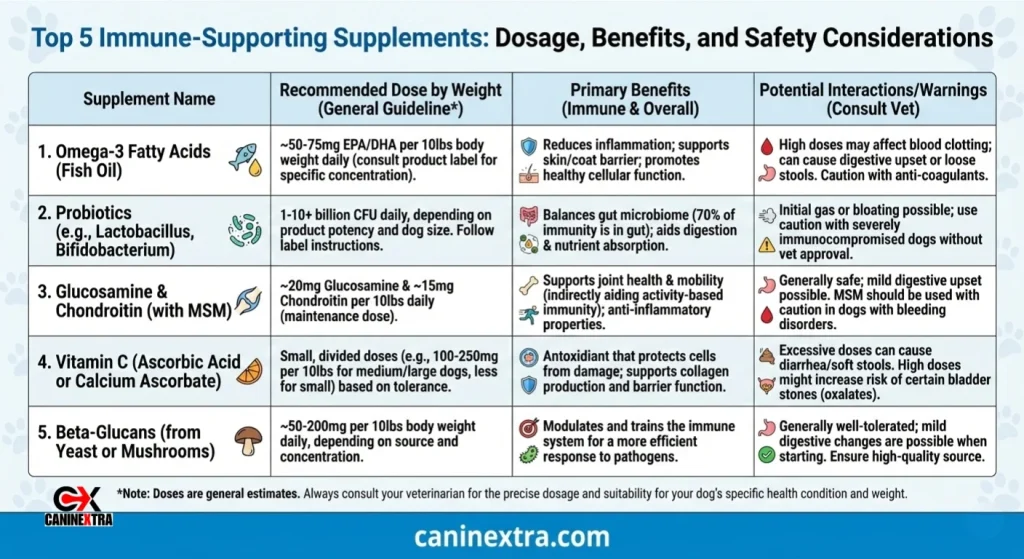
Omega-3 Fatty Acids: EPA and DHA from fish oil possess potent anti-inflammatory properties that support immune cell function. Studies show omega-3 supplementation improves vaccine responses and reduces inflammatory markers. Feed 20-55mg of combined EPA/DHA per pound of body weight daily.
Essential Vitamins and Minerals:
- Vitamin E protects cell membranes from oxidative damage
- Vitamin C supports white blood cell function
- Zinc enables proper immune cell signaling
- Selenium enhances antibody production
- Vitamin A maintains barrier integrity in skin and mucous membranes
Antioxidants: Beta-carotene, vitamins C and E, and selenium reduce oxidative stress linked to immune dysfunction. Colorful fruits and vegetables like blueberries, carrots, and spinach provide these protective compounds.
Look for dog foods meeting AAFCO nutritional standards and listing real meat as the first ingredient. Avoid foods with excessive fillers, artificial preservatives, or undefined meat by-products.
Learn more about choosing high-quality nutrition for your dog
2. Supplement Strategically with Probiotics and Prebiotics
Given that 70% of immune tissue resides in the gut, maintaining healthy gut bacteria directly strengthens immunity.
Probiotics introduce beneficial bacteria like Lactobacillus and Bifidobacterium strains that enhance immune cell activity, particularly in senior dogs. Research published in veterinary journals shows dogs receiving daily probiotics exhibit stronger antibody responses to vaccines and faster recovery from gastrointestinal infections.
Prebiotics feed probiotics and fuel healthy bacterial growth. Sources include chicory root, inulin, and fructooligosaccharides.
Administer canine-specific probiotic formulations containing multiple bacterial strains. Typical dosing ranges from 1-10 billion CFU daily based on your dog’s size. Introduce gradually to avoid digestive upset.
Discover how colostrum strengthens gut immunity
3. Maintain a Healthy Weight Through Proper Diet and Exercise
Excess body fat actively weakens immune function. Fat tissue secretes over 40 different inflammation-promoting hormones that suppress protective immune responses.
Overweight dogs show:
- Reduced antibody production
- Slower wound healing
- Decreased white blood cell activity
- Higher infection rates
Keep your dog at an ideal body condition score (4-5 out of 9). You should easily feel ribs with light pressure, see a visible waist when viewed from above, and notice an abdominal tuck when viewed from the side.
Regular exercise benefits immunity through:
- Improved circulation distributing immune cells throughout the body
- Stress reduction lowering cortisol levels
- Enhanced sleep quality
- Better appetite regulation
Provide age-appropriate exercise: 30-60 minutes daily for adult dogs, multiple short sessions for puppies, and gentler activities for seniors.
Find out how long dogs live and factors affecting longevity
4. Minimize Chronic Stress and Provide Mental Stimulation
Chronic stress suppresses immunity through sustained cortisol elevation. Dogs experiencing ongoing anxiety produce fewer protective antibodies and show impaired wound healing.
Stress Reduction Strategies:
- Maintain consistent daily routines for feeding, walks, and bedtime
- Provide safe spaces where dogs can retreat when overwhelmed
- Use positive reinforcement training instead of punishment-based methods
- Gradually expose dogs to new experiences through proper socialization
- Consider calming supplements or pheromone diffusers for anxious dogs
Mental Enrichment Activities:
- Interactive puzzle feeders that stimulate problem-solving
- Scent work games that engage natural hunting instincts
- Training sessions teaching new commands and tricks
- Rotation of toys to maintain novelty and interest
In my clinical experience, dogs receiving adequate mental stimulation alongside physical exercise show noticeably stronger immune resilience compared to under-stimulated pets.
5. Ensure Adequate, Quality Sleep
Sleep directly impacts immune function. During rest, the body produces and distributes protective proteins called cytokines that fight infection and inflammation.
Sleep Requirements by Life Stage:
- Puppies: 18-20 hours daily
- Adult dogs: 12-14 hours daily
- Senior dogs: 14-18 hours daily
Sleep-deprived dogs show measurably reduced immune cell activity and prolonged recovery from illness.
Create optimal sleep conditions:
- Provide a comfortable, supportive bed in a quiet location
- Maintain consistent sleep schedules
- Ensure adequate daytime exercise to promote nighttime rest
- Address any medical issues causing sleep disruption (pain, anxiety, etc.)
6. Keep Vaccinations Current and Maintain Preventive Care
Vaccinations train the adaptive immune system to recognize dangerous pathogens before actual exposure occurs. Core vaccines protect against rabies, distemper, parvovirus, and adenovirus – diseases that can be fatal to dogs with compromised immunity.
Vaccination Schedule:
- Puppies: Initial series starting at 6-8 weeks, boosters every 3-4 weeks until 16 weeks
- Adult dogs: Boosters every 1-3 years depending on vaccine type and risk factors
- Senior dogs: Continued protection as recommended by your veterinarian
Beyond vaccinations, routine preventive care includes:
- Annual or semi-annual wellness examinations
- Parasite prevention (heartworm, fleas, ticks, intestinal parasites)
- Dental cleanings to prevent bacterial infections
- Early disease detection through bloodwork screening
I’ve seen countless cases where timely preventive care caught serious immune-compromising conditions before they caused irreversible damage.
Understand common health issues affecting immunity
7. Consider Evidence-Based Immune-Supporting Supplements
Certain supplements provide measurable immune benefits when used appropriately.
Omega-3 Fish Oil: As mentioned earlier, EPA and DHA reduce inflammation and enhance immune cell function. Use pharmaceutical-grade products tested for heavy metal contamination.
Bovine Colostrum: Contains concentrated antibodies, growth factors, and immune-modulating compounds. Research shows colostrum supplementation improves gut immunity and strengthens vaccine responses in dogs. Typical dosing: 1/8 teaspoon per 25 pounds body weight daily.
Medicinal Mushrooms: Certain mushroom species (turkey tail, reishi, shiitake) contain beta-glucans that stimulate immune cell activity. These should be administered under veterinary supervision.
Vitamin E: Powerful antioxidant supporting immune cell membrane integrity. Deficiency impairs antibody production.
Always consult your veterinarian before adding supplements, especially for dogs with existing health conditions or those taking medications. More isn’t always better – excessive supplementation can create imbalances or interact with medications.
Immune System Development in Dogs: Puppy to Senior
Understanding how immunity develops and changes throughout your dog’s life helps you provide appropriate support at each stage.
Puppy Immunity (Birth to 6 Months)
Newborn puppies are born with incomplete immune systems. They rely entirely on passive immunity transferred through colostrum – the antibody-rich first milk produced immediately after birth.
Colostral antibodies protect puppies during their first weeks but gradually decline. This creates a vulnerable window when maternal antibodies weaken but the puppy’s own immune system hasn’t fully matured. This is why puppies receive multiple vaccine boosters – to stimulate their developing adaptive immunity.
By 16 weeks post-vaccination, most puppies develop protective antibody levels. However, their immune systems continue maturing until 12-18 months of age.
Puppy Immune Support:
- Ensure puppies nurse within the first 12-24 hours for colostrum
- Follow veterinary vaccination schedules precisely
- Limit exposure to unknown dogs until vaccination series completes
- Feed puppy-specific nutrition formulated for growth
- Avoid unnecessary stress during critical socialization periods
Learn about puppy development stages
Adult Dog Immunity (1 to 7-8 Years)
Healthy adult dogs possess fully functional immune systems capable of mounting robust responses to pathogens. This life stage represents peak immune competence when properly maintained through good nutrition, exercise, and preventive care.
Senior Dog Immunity (7-8+ Years)
Immunosenescence – the age-related decline in immune function – affects all dogs eventually, though timing varies by breed and size. Large and giant breeds experience earlier immune decline (around 7-8 years) compared to small breeds (10-12+ years).
Changes include:
- Thymus gland shrinkage reducing new T-cell production
- Slower antibody responses to new antigens
- Decreased ability to distinguish “self” from “non-self” (increasing autoimmune disease risk)
- Reduced vaccine efficacy requiring more frequent boosters
- Increased susceptibility to infections and slower recovery
Senior Dog Immune Support:
- Transition to senior-specific nutrition with optimal protein levels
- Increase veterinary visit frequency to twice yearly
- Monitor for infections and address them promptly
- Maintain physical activity at appropriate intensity
- Consider immune-supporting supplements after veterinary consultation
- Provide extra warmth and comfort to reduce stress
Explore how to boost your nursing dog’s health naturally
Signs Your Dog’s Immune System May Be Compromised
Recognizing immune dysfunction early allows for prompt intervention.
Warning Signs:
- Recurrent infections (skin, ear, urinary tract, respiratory)
- Slow healing of wounds or surgical incisions
- Persistent lethargy or reduced energy despite adequate rest
- Chronic digestive issues (diarrhea, vomiting, loss of appetite)
- Excessive inflammation or allergic reactions
- Unexplained weight loss
- Frequent illness requiring repeated veterinary treatment
- Poor coat quality or excessive hair loss
- Swollen lymph nodes
If your dog displays multiple warning signs, schedule a veterinary examination. Blood tests can reveal underlying conditions affecting immunity, including nutrient deficiencies, hormonal imbalances, or undiagnosed diseases.
Common Myths About Canine Immunity
Myth: “Raw diets automatically boost immunity.”
Reality: Raw diets carry bacterial contamination risks (Salmonella, E. coli) that can overwhelm compromised immune systems. While properly balanced raw diets may suit some dogs, they aren’t universally immune-boosting. Dogs with weakened immunity should avoid raw feeding due to increased infection risk.
Myth: “Expensive supplements are better than whole food nutrition.”
Reality: A complete, balanced diet provides most nutrients healthy dogs need. Supplements address specific deficiencies or therapeutic needs but can’t compensate for poor baseline nutrition. Focus on diet quality first, supplements second.
Myth: “Indoor dogs don’t need vaccines because they’re not exposed.”
Reality: Many pathogens transmit through air, on clothing and shoes, or via insects entering homes. Even strictly indoor dogs require core vaccinations like rabies and distemper.
Myth: “Over-vaccinating weakens the immune system.”
Reality: Following veterinary-recommended vaccination schedules doesn’t harm immunity. However, unnecessary vaccines (over-vaccinating) provide no additional benefit. Work with your veterinarian to determine appropriate vaccination intervals based on your dog’s risk factors.
Frequently Asked Questions
How long does it take to strengthen a dog’s immune system?
Strengthening canine immunity is a gradual process, not an overnight fix. You’ll typically see initial improvements within 4-6 weeks of implementing dietary changes, consistent exercise, and stress reduction. However, full immune optimization takes 2-3 months of sustained healthy habits. Dogs recovering from illness or severe nutritional deficiencies may require 6 months or longer to rebuild robust immunity. The key is consistency – sporadic healthy practices won’t generate lasting immune improvements.
Can I give my dog human immune supplements?
Generally, no. Human immune supplements contain dosages and ingredient combinations formulated for human metabolism, not canine physiology. Some human supplements include ingredients toxic to dogs (xylitol, certain herbs, excessive vitamins). Always use veterinary-approved, canine-specific supplements. Your veterinarian can recommend safe, effective products appropriate for your dog’s specific needs, size, and health status.
What foods should I avoid feeding my dog to protect immunity?
Avoid foods that trigger inflammation or lack nutritional value: excessive simple carbohydrates, foods with artificial preservatives (BHA, BHT, ethoxyquin), meals high in omega-6 fatty acids without balancing omega-3s, and allergen-triggering proteins your dog has reacted to previously. Also eliminate toxic foods like chocolate, grapes, raisins, onions, garlic, and xylitol-containing products. Focus on whole food ingredients, quality proteins, and complete nutritional balance.
How does spaying or neutering affect my dog’s immune system?
Spaying and neutering generally don’t significantly impair immune function in healthy dogs. Some research suggests very early spaying/neutering (before 6 months) might slightly affect immune development, but the overall health benefits typically outweigh minor immune considerations. Intact females experience immune changes during heat cycles and pregnancy. Discuss optimal timing with your veterinarian based on your dog’s breed, size, and health status.
Can stress really make my dog sick?
Absolutely. Chronic stress triggers sustained cortisol release, which directly suppresses immune cell activity by up to 40%. Stressed dogs show reduced antibody production, delayed wound healing, and increased infection susceptibility. Common stressors include separation anxiety, lack of socialization, inconsistent routines, punishment-based training, inadequate exercise, and environmental changes. Addressing stress through enrichment, routine, training, and sometimes medication significantly improves immune resilience.
What blood tests check immune system function in dogs?
Complete Blood Count (CBC) evaluates white blood cell numbers and types, revealing immune cell abnormalities. Chemistry panels assess organ function affecting immunity. Specific tests include immunoglobulin levels, T-cell and B-cell function tests, antibody titers measuring vaccine response, and tests for autoimmune conditions. Your veterinarian determines which tests your dog needs based on symptoms and clinical findings.
Are certain dog breeds more prone to immune problems?
Yes. Genetic factors influence immune function across breeds. German Shepherds, Labrador Retrievers, and Golden Retrievers show higher rates of autoimmune diseases. Bulldogs and Pugs face immune challenges related to their anatomical structure. Small breed dogs generally maintain stronger immunity longer than giant breeds. However, individual variation exists within all breeds – not every dog of a susceptible breed develops immune problems.
Can vaccinations cause immune system problems?
Serious vaccine reactions are rare. Mild, temporary immune responses (slight fever, lethargy for 24-48 hours) indicate the immune system is responding appropriately. True adverse reactions affecting overall immunity are extremely uncommon compared to the protection vaccines provide. Dogs with known immune disorders may require modified vaccination protocols. Always discuss vaccine concerns with your veterinarian rather than skipping essential immunizations.
How do antibiotics affect my dog’s immune system?
Antibiotics eliminate harmful bacteria causing infections but also disrupt beneficial gut bacteria essential for immunity. This is why some dogs develop diarrhea during antibiotic treatment. The impact is usually temporary – healthy gut bacteria repopulate after treatment ends. Support immune function during antibiotic therapy by administering probiotics (separated from antibiotic doses by 2-3 hours), maintaining excellent nutrition, and ensuring adequate hydration.
What’s the difference between innate and adaptive immunity in dogs?
Innate immunity is present from birth and provides immediate, nonspecific defense against any pathogen through physical barriers, inflammation, and certain white blood cells. Adaptive immunity develops through exposure and creates specific, targeted responses using antibodies and T-cells that remember pathogens. Innate immunity responds within minutes; adaptive immunity takes days to weeks initially but provides faster, stronger responses upon subsequent exposures. Both systems work together – innate immunity buys time while adaptive immunity develops precise defenses.
Can diet alone fix immune problems in dogs?
Diet is foundational but rarely sufficient alone for significant immune dysfunction. Nutritional deficiencies absolutely impair immunity, so correcting them through proper diet improves immune function. However, serious immune disorders often involve genetic factors, underlying disease, chronic stress, or age-related decline that require comprehensive management beyond diet. Think of diet as the essential foundation upon which other interventions (medical treatment, supplements, exercise, stress reduction) build stronger immunity.
How often should senior dogs see the veterinarian for immune support?
Senior dogs benefit from wellness examinations every 6 months rather than annually. This frequency allows early detection of immune-compromising conditions like diabetes, Cushing’s disease, cancer, or kidney disease. Bloodwork screening every 6-12 months identifies problems before clinical symptoms appear. More frequent visits enable your veterinarian to adjust preventive care, update vaccinations as needed, and recommend immune support strategies appropriate for your aging dog’s changing needs.
Conclusion
Your dog’s immune system represents a remarkable biological defense network protecting against countless threats daily. From the physical barriers of skin and stomach acid to the sophisticated responses of adaptive immunity, this system requires consistent support through proper nutrition, appropriate exercise, quality sleep, stress management, and preventive veterinary care.
Remember that strengthening immunity isn’t about expensive supplements or drastic dietary changes. The foundation lies in consistently providing complete nutrition, maintaining healthy weight, ensuring adequate rest, minimizing chronic stress, and staying current with vaccinations. These simple but powerful practices keep your dog’s natural defenses functioning optimally throughout their life.
Take action today: evaluate your dog’s current diet for nutritional completeness, commit to daily exercise appropriate for their age and condition, establish consistent sleep routines, and schedule that overdue veterinary wellness visit. Your dog’s immune system will reward your efforts with better health, increased energy, and potentially years of additional quality time together.