

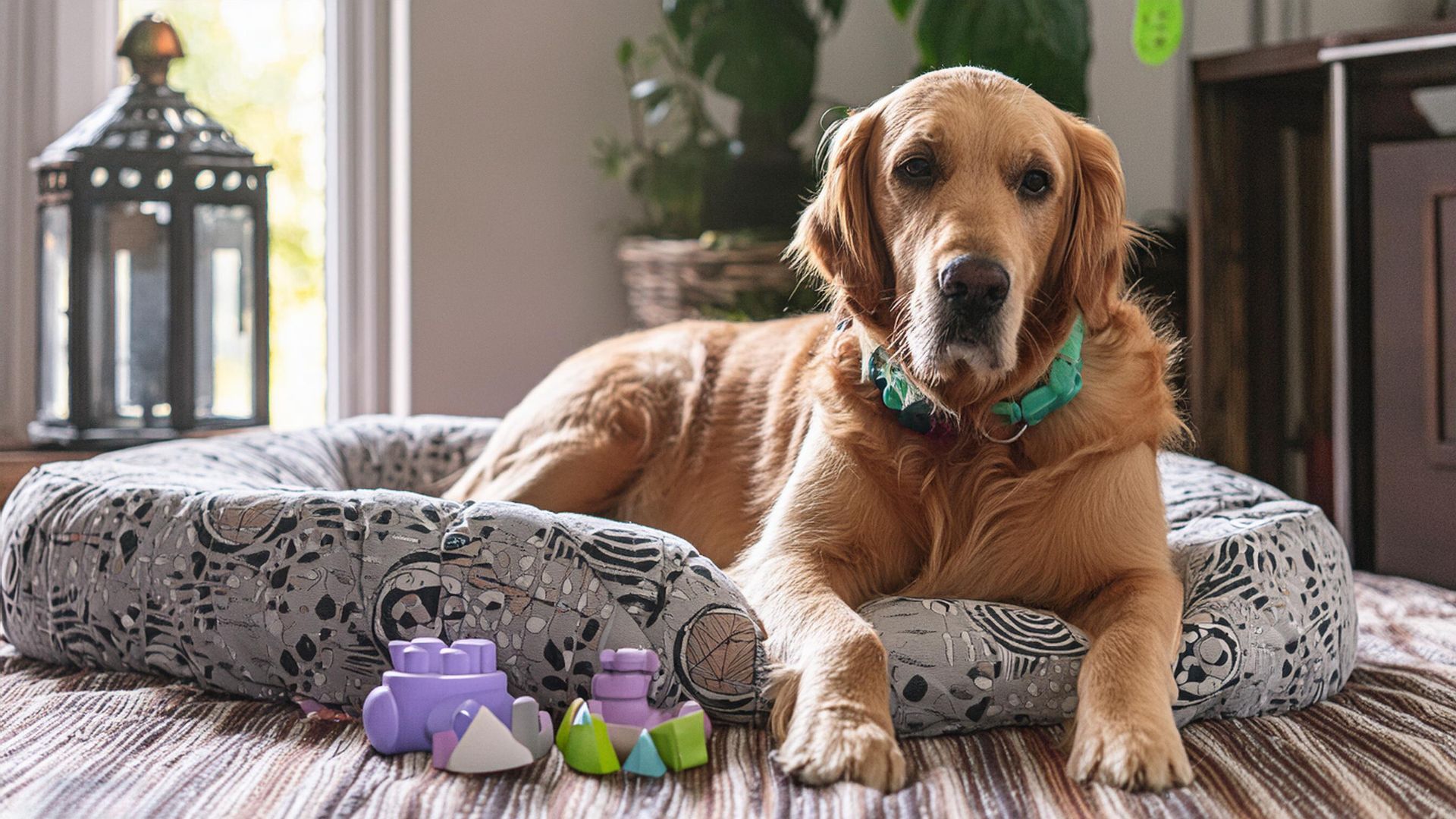
Dogs bring joy and companionship to millions of households worldwide. For many dog owners, the prospect of welcoming a new litter of puppies is both exciting and daunting. Whether you’re a breeder or your dog unexpectedly became pregnant, understanding the canine gestation period is crucial for ensuring the health and well-being of both the mother and her puppies.
In this comprehensive guide, we’ll explore every aspect of dog pregnancy, from the early signs to postnatal care. We’ll answer the burning question, “How long are dogs pregnant?” and provide you with all the information you need to support your furry friend through this remarkable journey.
How Can I Tell if My Dog is Pregnant?
Detecting pregnancy in dogs isn’t as straightforward as it is in humans. There’s no over-the-counter pregnancy test for our canine companions. However, there are several methods to determine if your dog is expecting.
What Are the Early Signs of Pregnancy in Dogs?
While not always noticeable, some dogs may exhibit early signs of pregnancy. These can include:
- Increased appetite: Your dog may suddenly eat more than usual.
- Slight weight gain: A small increase in body weight might be observed.
- Enlarged nipples: The nipples may become more prominent and darker in color.
- Behavioral changes: Some dogs become more affectionate or lethargic.
- Morning sickness: A small percentage of dogs may experience nausea and vomiting.
It’s important to note that these signs can also indicate other health conditions. Therefore, it’s crucial to consult with a veterinarian for a proper diagnosis.
Can an Ultrasound Confirm My Dog is Pregnant?
Yes, an ultrasound is one of the most reliable methods to confirm canine pregnancy. Veterinarians typically recommend this procedure between days 25 and 35 of gestation. Not only can an ultrasound detect pregnancy, but it can also:
- Confirm fetal heartbeats
- Estimate the number of puppies
- Assess fetal development
- Detect potential complications
When Should I Visit a Veterinarian?
If you suspect your dog is pregnant, it’s best to schedule a veterinary visit as soon as possible. Early prenatal care is crucial for the health of both the mother and her puppies. A veterinarian can:
- Confirm the pregnancy
- Estimate the due date
- Assess the overall health of the mother
- Provide guidance on nutrition and care during pregnancy
Remember, regular check-ups throughout the pregnancy are essential for monitoring the progress and addressing any potential issues promptly.
How Long Are Dogs Pregnant?
What is the Average Dog Gestation Period?
The average dog gestation period is approximately 63 days from the time of conception. However, this can vary slightly, typically ranging from 58 to 68 days. The exact duration can be challenging to pinpoint because:
- Sperm can survive in the female reproductive tract for several days
- Eggs remain fertile for up to 48 hours after ovulation
- The exact moment of fertilization is often unknown
This variability is why it’s essential to work closely with a veterinarian to monitor your dog’s pregnancy and prepare for the arrival of puppies.
Does the Length of Pregnancy Vary by Dog Breeds?
Interestingly, the length of pregnancy does not significantly vary based on dog breeds. Whether you have a tiny Chihuahua or a large Great Dane, the gestation period remains relatively consistent at around 63 days. However, factors such as litter size and individual health can influence the exact duration.
What Are the Stages of Dog Pregnancy?
To better understand the journey of canine pregnancy, let’s break it down into three main stages:
What Happens in the First Month of Pregnancy?
During the first month, significant changes occur internally, although they may not be visible externally:
- Days 0-7: Fertilization occurs, and embryos travel to the uterine horns.
- Days 7-16: Embryos embed in the uterine lining.
- Days 16-22: Fetal development begins.
- Days 22-30: Fetal heartbeats can be detected via ultrasound.
At this stage, you might notice subtle changes in your dog’s behavior or appetite, but physical changes are minimal.
What Changes Occur in the Second Month?
The second month brings more noticeable changes:
- Days 30-45: Fetal development accelerates. Puppies’ skeletons and coats begin to form.
- Days 45-50: Puppies can be seen on X-rays. Your veterinarian can estimate litter size.
- Days 50-60: The pregnant dog’s abdomen noticeably enlarges. Mammary glands begin to develop.
During this period, your dog may experience:
- Increased appetite
- Weight gain (20-50% increase)
- More frequent urination
- Clear vaginal discharge
- Behavioral changes (nesting behavior may begin)
What to Expect During the Final Dog Gestation Period?
The last few days of pregnancy are crucial:
- Days 60-63: Puppies move into whelping position in the birth canal.
- 12-24 hours before labor: The dog’s body temperature drops slightly.
Signs that labor is approaching include:
- Restlessness
- Pacing or panting
- Loss of appetite
- Nesting behavior intensifies
How to Care for Your Pregnant Dog?
Proper care during pregnancy is vital for the health of both the mother and her puppies. Here are some key aspects to consider:
What Specialized Dog Food Should You Use?
Nutrition plays a crucial role in supporting a healthy pregnancy. Consider the following:
- High-quality protein: Essential for fetal development and milk production.
- Increased calorie intake: Gradually increase food intake by 20-30% in the last trimester.
- Puppy food: Switch to high-quality puppy food in the last 3-4 weeks of pregnancy.
- Small, frequent meals: This helps manage the pressure on the abdomen as puppies grow.
Always consult with your veterinarian for personalized nutritional advice based on your dog’s specific needs.
How Much Exercise Does a Pregnant Dog Need?
Exercise is important for maintaining your dog’s overall health during pregnancy, but it should be moderated:
- First two trimesters: Continue regular, gentle exercise.
- Last trimester: Reduce intensity and duration of exercise.
- Avoid strenuous activities: No jumping, rough play, or high-impact exercises.
Short, leisurely walks and gentle play sessions are ideal throughout pregnancy.
When Should I Contact a Veterinarian for Help?
While most dog pregnancies progress smoothly, it’s crucial to be vigilant for any signs of complications. Contact your veterinarian immediately if you observe:
- Prolonged vomiting or diarrhea
- Fever
- Lethargy or weakness
- Vaginal bleeding (except during labor)
- Lack of appetite for more than 24 hours
- Signs of distress during labor
Remember, it’s always better to err on the side of caution when it comes to your pregnant dog’s health.
How Do Dogs Give Birth to Many Puppies?
The process of giving birth, also known as whelping, is a remarkable event. Here’s what you need to know:
What is the Role of a Veterinary Professional During Whelp?
While many dogs give birth without complications, having a veterinarian on call is crucial. They can:
- Provide guidance if you’re unsure about the progress of labor
- Assist if there are complications during delivery
- Perform emergency cesarean sections if necessary
- Check the health of the mother and puppies post-delivery
What is the Birth Canal Process?
The birth process typically follows these stages:
- Stage 1: Uterine contractions begin. This stage can last 6-12 hours.
- Stage 2: Active labor begins. Puppies are delivered one at a time, usually every 30-60 minutes.
- Stage 3: Placenta is delivered after each puppy.
Most dogs instinctively know what to do, but be prepared to assist if necessary.
How Can I Provide Postnatal Care for the Newborn Puppies?
After birth, focus on:
- Ensuring each puppy is breathing and nursing
- Keeping the whelping area clean and warm
- Monitoring the mother for signs of distress or infection
- Scheduling a post-whelping check-up with your veterinarian
Conclusion
Understanding how long dogs are pregnant and what to expect during canine gestation is crucial for any dog owner facing this situation. The average dog pregnancy lasts about 63 days, but the journey from conception to birth is filled with important milestones and considerations.
By working closely with your veterinarian, providing proper nutrition, and creating a comfortable environment, you can help ensure a healthy pregnancy and delivery for your dog. Remember, each pregnancy is unique, and being prepared for the unexpected is part of the process.
Whether you’re an experienced breeder or a first-time dog owner, the arrival of new puppies is always a special event. With the right knowledge and preparation, you can make this experience as smooth and joyful as possible for both you and your furry friend.
Disclaimer: This article is for informational purposes only and does not substitute professional veterinary advice. Always consult with a qualified veterinarian for your dog’s health concerns.