


Your heart drops. You just spotted pink or red in your dog’s urine, and panic sets in. Blood in dog urine, why is my dog peeing blood, it’s technically called hematuria, is alarming, but here’s what you need to know right now: it’s rarely an immediate death sentence, and most causes are treatable when caught early.
Hematuria happens when red blood cells leak into your dog’s urinary tract due to inflammation, infection, injury, or disease. The blood could originate anywhere from the kidneys down to the urethra, and pinpointing the source is key to effective treatment. In my 18 years treating dogs with urinary issues, I’ve seen everything from simple bladder infections cleared up in days to complex cases requiring surgery and the difference often comes down to how quickly owners act.
Key Takeaways:
- Urinary tract infections cause 60-70% of bloody urine cases and respond well to antibiotics within 5-7 days
- Emergency signs include straining without producing urine, lethargy, vomiting, or pale gums, call your vet immediately
- Female dogs get UTIs 4x more often than males due to their shorter urethra
- A single episode of blood in urine always warrants a vet visit within 24 hours, even if your dog acts normal
- Bladder stones and kidney disease require imaging and specialized treatment beyond simple antibiotics
- Most diagnostic tests (urinalysis, urine culture) cost $50-$150, while ultrasounds run $250-$500
What Does Blood in Dog Urine Mean?
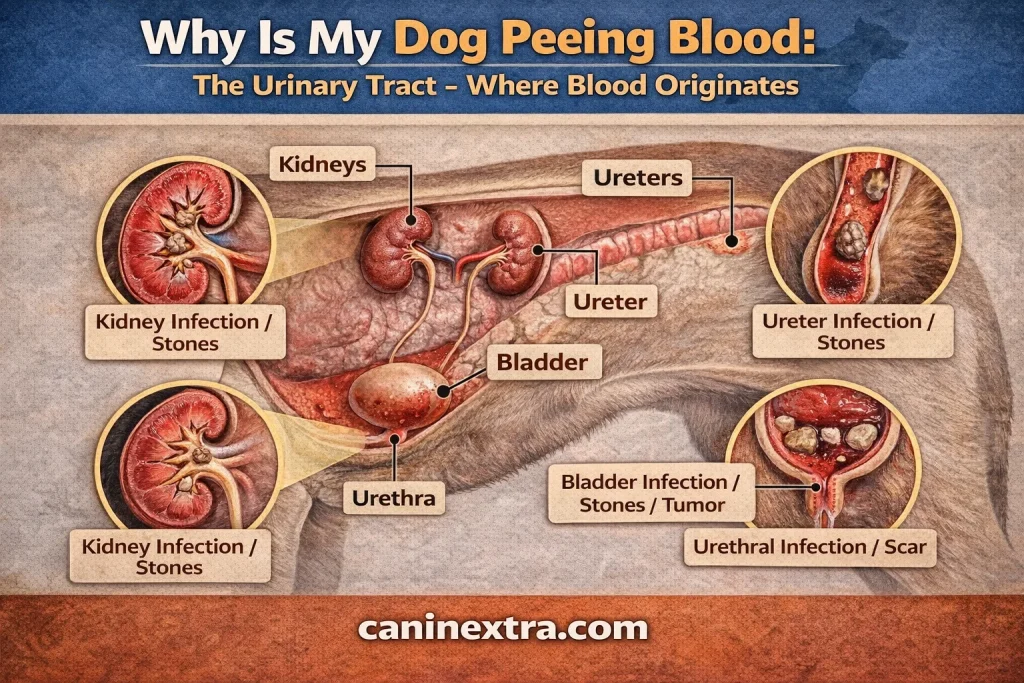
Blood in your dog’s urine signals inflammation somewhere in the urinary system. Your dog’s urine travels from the kidneys through thin tubes called ureters, gets stored in the bladder, then exits through the urethra. Damage, irritation, or infection at any point along this pathway causes blood cells to spill into the urine.
The color gives clues about severity. Pink-tinged urine suggests mild bleeding, often from lower urinary tract issues like cystitis. Bright red urine indicates active bleeding, possibly from bladder stones scraping tissue. Dark brown or tea-colored urine points to older blood, potentially from kidney problems or a clotting disorder.
Visible vs Microscopic Blood
Not all blood in urine is visible to the naked eye. Veterinarians classify hematuria as:
Gross hematuria: You can see discoloration, pink, red, orange, or brown urine. This indicates significant bleeding and warrants same, day veterinary attention.
Microscopic hematuria: Urine looks normal but contains red blood cells detected only under microscope analysis. Your vet might discover this during routine wellness exams. While less alarming visually, it still requires investigation to prevent progression.
The 7 Most Common Causes of Blood in Dog Urine
1. Urinary Tract Infections (60-70% of Cases)
Bacterial infections in the bladder are the leading cause of bloody urine in dogs. Bacteria, usually E. coli, travel up the urethra and colonize the bladder lining, triggering inflammation and bleeding.
Why female dogs are more vulnerable: Female dogs have a shorter, wider urethra positioned closer to the anus, making bacterial migration easier. Intact females face even higher risk during heat cycles when hormonal changes affect the urinary tract’s natural defenses.
Symptoms beyond bloody urine:
- Frequent urination with small amounts
- Straining or crying while urinating
- Licking the genital area excessively
- House accidents despite being housetrained
- Strong, foul-smelling urine
- Cloudy or murky urine
Treatment timeline: Most uncomplicated UTIs clear within 7-10 days on antibiotics. Your vet will typically prescribe amoxicillin, cephalexin, or enrofloxacin based on suspected bacteria. Improvement should be noticeable within 48-72 hours. If symptoms persist after 3 days, contact your vet, resistant bacteria may require a urine culture to identify the most effective antibiotic.
For dogs with chronic UTIs (3+ infections per year), investigate underlying causes like diabetes, Cushing’s disease, or anatomical abnormalities that prevent complete bladder emptying.
2. Bladder Stones (Uroliths)
Mineral crystals in the bladder can clump together forming stones ranging from sand-grain size to golf-ball diameter. These stones irritate and scrape the bladder lining, causing bleeding, pain, and sometimes complete urethral blockage in male dogs.
Stone types and breed predispositions:
- Struvite stones: Most common in female dogs, form in alkaline urine, often secondary to UTIs. Breeds like Schnauzers and Shih Tzus show higher rates.
- Calcium oxalate: More common in males, can’t be dissolved with diet. Miniature Schnauzers, Bichon Frises, and Yorkies are genetically prone.
- Urate stones: Dalmatians and English Bulldogs metabolize purines differently, creating uric acid stones.
Symptoms specific to stones:
- Intermittent blood in urine (comes and goes)
- Straining to urinate with frequent posturing
- Dribbling small amounts repeatedly
- Abdominal discomfort (hunched posture)
- Sudden complete inability to urinate (males at higher risk for blockage)
Treatment approach: Small stones (under 3mm) may pass naturally or dissolve with prescription diets over 8-12 weeks. Larger stones require surgical removal via cystotomy, with 7-10 day recovery. Prevention focuses on diet modification to alter urine pH and dilution through increased water intake.
3. Kidney Disease and Kidney Stones
Upper urinary tract problems affecting the kidneys can cause blood to appear in dog urine. Kidney issues are more serious than lower tract infections because these organs filter waste from blood, damage here affects your dog’s entire body system.
Acute vs chronic kidney conditions:
- Acute kidney injury: Sudden damage from toxins (antifreeze, grapes, certain medications), severe infections, or trauma. Symptoms appear rapidly, vomiting, lethargy, decreased urination.
- Chronic kidney disease: Progressive deterioration over months to years, more common in senior dogs (7+ years). Early signs are subtle: increased thirst, weight loss, decreased appetite.
Kidney stones: Less common than bladder stones but more difficult to treat. May cause severe pain, complete urinary obstruction, or kidney infection (pyelonephritis). Surgery or lithotripsy (ultrasound stone-breaking) may be necessary.
Warning signs requiring emergency care:
- Decreased or no urine output for 12+ hours
- Swollen, painful abdomen
- Vomiting, especially with blood
- Extreme lethargy or collapse
- Ammonia breath odor
4. Prostate Problems in Male Dogs
Intact male dogs over 5 years old commonly develop prostate enlargement (benign prostatic hyperplasia) due to testosterone stimulation. The enlarged prostate presses on the urethra and rectum, causing urinary and digestive symptoms.
Prostate-related conditions:
- Benign prostatic hyperplasia: Non-cancerous enlargement affecting 80% of intact males by age 8. Causes intermittent blood in urine, straining to defecate, and ribbon-shaped stools.
- Prostatitis: Bacterial infection of the prostate gland. Dogs appear systemically ill, fever, back pain, stiff gait, refusing to sit.
- Prostatic abscess: Pus-filled pocket in prostate tissue. Life-threatening without prompt surgical drainage.
- Prostate cancer: Rare but aggressive. Affects neutered and intact males equally, doesn’t respond to castration.
The castration factor: Neutering dramatically reduces prostate problems. The gland shrinks to 50% of its original size within 3 weeks post-surgery, and most symptoms resolve completely.
5. Blood Clotting Disorders
If your dog has blood in their urine plus bleeding from other areas, gums, nose, bruising under skin—suspect a clotting disorder. These conditions prevent normal blood coagulation, causing spontaneous bleeding throughout the body.
Common causes:
- Rodenticide poisoning: Rat poisons contain anticoagulants that deplete Vitamin K, essential for clotting. Symptoms appear 3-5 days after ingestion.
- Immune-mediated thrombocytopenia (IMT): The immune system attacks platelets. Can develop suddenly in any breed but Cocker Spaniels show increased susceptibility.
- Hemophilia: Genetic bleeding disorder where blood lacks specific clotting factors. Male puppies of affected breeds (German Shepherds, Golden Retrievers) may show excessive bleeding from minor injuries.
- Advanced liver disease: The liver produces most clotting factors. End-stage liver failure causes widespread bleeding.
Critical signs: Pale gums, weakness, rapid breathing, coffee-ground vomit, or tarry black stools alongside bloody urine demand immediate emergency veterinary care.
6. Trauma or Injury
Physical injury to the urinary tract, hit by car, kicked, falling from height, fights with other animals, can rupture blood vessels in the kidneys, bladder, or urethra. Even without external wounds, internal trauma may cause severe bleeding into the urinary system.
Post-surgical bleeding: Dogs recovering from abdominal surgery, especially procedures involving the reproductive system (spay/neuter), may develop temporary blood in urine. This typically resolves within 48 hours but report it to your surgeon.
7. Bladder or Kidney Cancer
Urinary tract cancers are less common but increase with age. Transitional cell carcinoma (TCC) accounts for 90% of bladder cancers in dogs, favoring older Scottish Terriers, West Highland White Terriers, and Shetland Sheepdogs.
Cancer symptoms develop gradually:
- Persistent blood in urine despite antibiotic treatment
- Progressive difficulty urinating
- Weight loss and decreased appetite
- Lethargy unrelated to activity level
Prognosis varies: Bladder tumors have limited treatment options but new medications (piroxicam combined with chemotherapy) extend survival times. Kidney cancer caught early may respond to surgical removal of the affected kidney if the other kidney functions normally.
Is It an Emergency? When To Call Your Vet Immediately
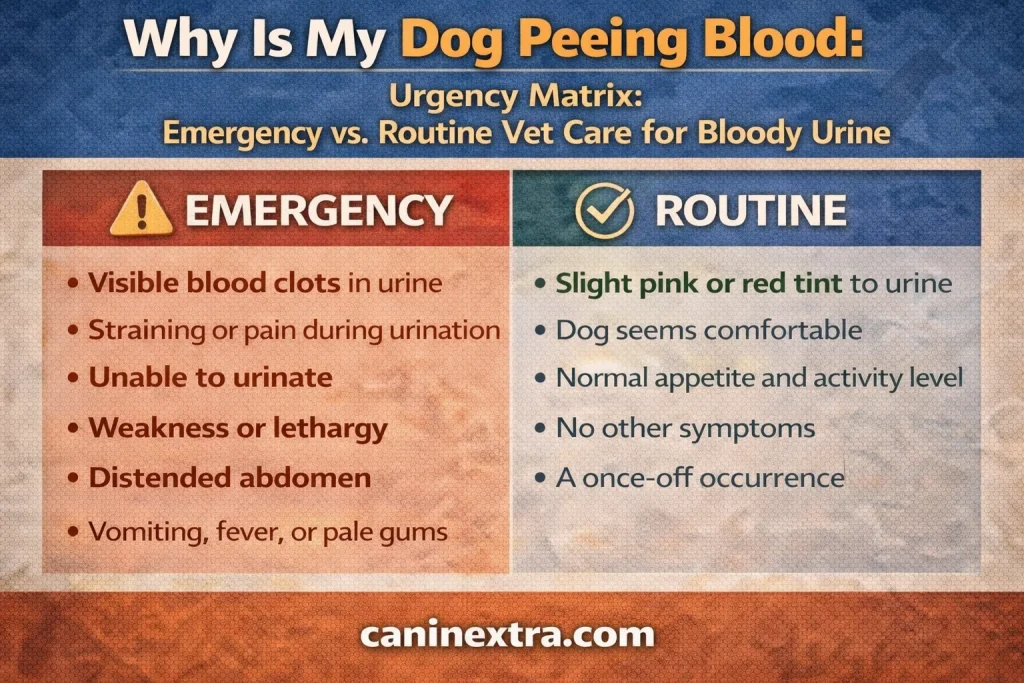
Not every case of bloody urine requires a 3 AM emergency hospital visit, but some situations demand immediate attention. Use this decision framework:
EMERGENCY – Go to vet hospital NOW:
- Your dog is straining repeatedly to urinate but produces nothing or just drops (possible complete urethral blockage, can be fatal within 24-48 hours)
- Bloody urine accompanied by vomiting, severe lethargy, or collapse
- Pale or white gums (sign of dangerous anemia)
- Known or suspected toxin exposure (rat poison, antifreeze, grapes, human medications)
- Swollen, hard, painful abdomen
- Male dog crying in pain while attempting to urinate
- Bleeding from multiple sites (gums, nose, rectum, plus urine)
URGENT – Call regular vet same day:
- First time noticing blood in urine
- Dog is uncomfortable, repeatedly posturing to urinate
- Excessive licking of genital area
- Whimpering or signs of pain
- House accidents suddenly starting
- Decreased appetite or mild lethargy
CAN WAIT 24 HOURS – Schedule appointment next day:
- Very slight pink tinge in urine, no other symptoms
- Dog is eating, drinking, playing normally
- Unspayed female potentially in heat (blood may be from vagina, not bladder)
- Single episode, dog acting completely normal
The “acting normal” exception: Dogs instinctively hide pain and illness. A dog can have a serious UTI, bladder stones, or early kidney disease while still eating, playing, and behaving normally. Never delay veterinary care just because your dog “seems fine”, internal problems often advance silently.
What Tests Will Your Vet Run?
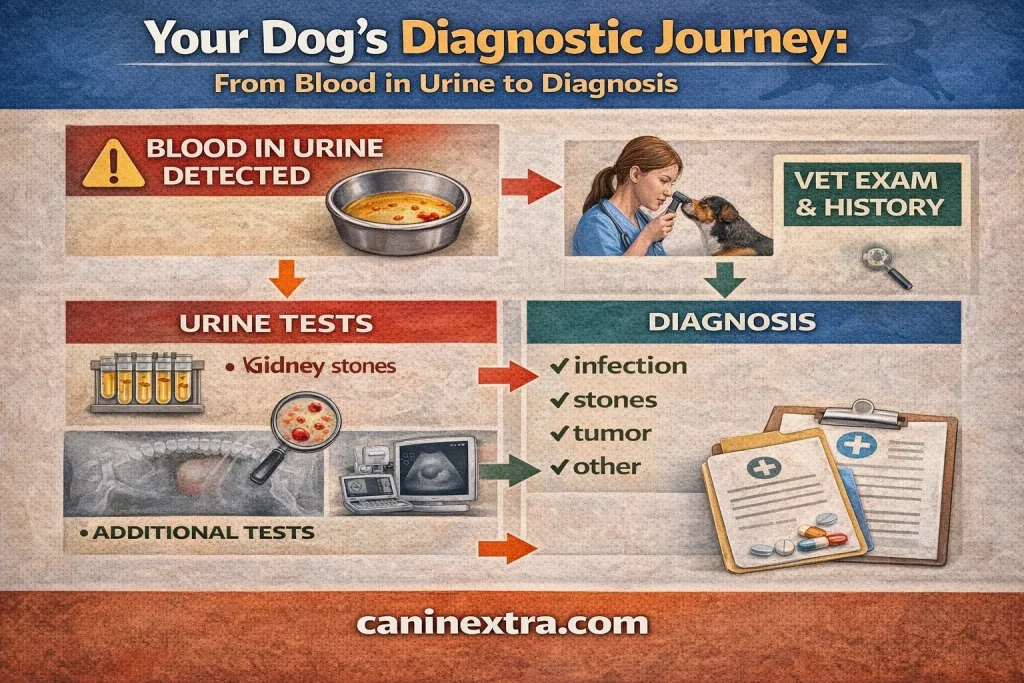
Diagnosing the cause of blood in dog urine requires several diagnostic steps. Understanding what to expect helps you prepare questions and budget appropriately.
Physical Examination ($50-$100)
Your vet palpates (feels) your dog’s abdomen to check for:
- Painful, enlarged bladder (indicates inflammation or stones)
- Kidney size and texture (enlarged kidneys suggest infection or disease)
- Prostate size in males (palpated rectally)
- Signs of dehydration or systemic illness
They’ll take your dog’s temperature (prostatic infections cause fever), check gum color for anemia, and assess overall body condition.
Urinalysis ($40-$80)
The cornerstone test for diagnosing hematuria. Your vet examines urine under a microscope to identify:
- Red blood cells (confirms bleeding vs. red pigment from hemoglobin)
- White blood cells (indicates inflammation or infection)
- Bacteria (suggests UTI)
- Crystals (predispose to stone formation)
- Protein levels (kidney damage indicator)
- pH (helps predict stone type)
- Specific gravity (measures kidney concentration ability)
How to collect a urine sample at home: Catch mid-stream urine in a clean, shallow container during morning walk. Transfer to a leak-proof jar and refrigerate. Deliver to vet within 6 hours for most accurate results. “Free catch” samples may contain bacteria from skin, so your vet might request a sterile sample obtained by cystocentesis (needle inserted directly into bladder through abdominal wall).
Urine Culture and Sensitivity ($100-$200)
When UTI is suspected, culturing identifies the specific bacteria and which antibiotics will kill it effectively. Results take 3-5 days. Your vet may start antibiotics immediately based on urinalysis findings, then adjust medication if culture reveals resistant bacteria.
Why this test matters: Antibiotic resistance is growing. Prescribing the wrong antibiotic allows bacteria to multiply, worsening infection. Culture-guided therapy ensures the bacteria dies, preventing chronic recurring UTIs.
Blood Work ($150-$300)
A complete blood count (CBC) and chemistry panel evaluate:
- Red blood cell levels (detects anemia from blood loss)
- White blood cell count (elevated with infection)
- Platelet count (low platelets increase bleeding risk)
- Kidney function markers (BUN, creatinine, SDMA)
- Liver enzymes
- Electrolyte balance
Blood work is essential for sick dogs showing systemic symptoms or those requiring anesthesia for imaging.
X-Rays and Ultrasound ($200-$600)
Abdominal radiographs ($150-$300): Show bladder stones, kidney stones, tumors, or enlarged prostate. Some stone types (calcium oxalate) appear clearly on X-ray while others (urate) may not be visible.
Abdominal ultrasound ($250-$500): Provides detailed images of internal organs. Visualizes bladder wall thickening, masses, kidney architecture, and prostate size/texture. Can guide needle biopsies of suspicious masses.
Advanced Diagnostics (if needed)
- Contrast studies: Special dye injected to visualize urinary tract anatomy on X-ray
- Cystoscopy ($600-$1,200): Camera inserted through urethra into bladder to directly visualize stones, tumors, or abnormal tissue
- CT scan ($1,500-$2,500): Detailed 3D imaging for complex cases or surgical planning
Treatment Options Based on Diagnosis
Treatment for blood in dog urine depends entirely on the underlying cause identified through diagnostics.
For Urinary Tract Infections
Antibiotics: 7-14 day course depending on severity. Common choices:
- Amoxicillin: First-line for simple UTIs
- Cephalexin: Broad-spectrum coverage
- Enrofloxacin (Baytril): For resistant bacteria
- Amoxicillin-clavulanate: Enhanced bacterial coverage
Follow-up urine culture: Recommended 7 days after finishing antibiotics to confirm infection cleared. Skipping this step risks chronic infection.
Managing recurrent UTIs: Dogs with 3+ UTIs yearly need investigation for underlying causes:
- Diabetes testing (high blood sugar promotes bacterial growth)
- Thyroid function test
- Urinary tract imaging to find anatomical abnormalities
- Behavioral assessment (dogs holding urine too long)
Long-term low-dose antibiotics or cranberry supplements may prevent recurrence in chronic cases.
For Bladder Stones
Small stones (under 3mm): Prescription diets formulated to dissolve stones over 8-16 weeks work for struvite stones. Monitor with monthly X-rays. Increased water intake helps stones pass naturally.
Larger stones: Surgical removal via cystotomy (opening bladder surgically) removes all stones in one procedure. Recovery takes 10-14 days with restricted activity and E-collar.
Minimally invasive options: Some veterinary specialists offer laser lithotripsy or cystoscopy-guided stone removal, reducing surgical trauma.
Prevention strategies:
- Feed prescription urinary diet lifelong
- Ensure constant water access (consider water fountain to encourage drinking)
- Increase bathroom breaks to 4-6 times daily
- Monitor urine pH with test strips
- Repeat urinalysis every 6 months
For Kidney Disease
Acute kidney injury: Hospitalization with IV fluids to flush toxins and support kidney function. May require 3-5 days of intensive care. Prognosis depends on cause and kidney damage extent.
Chronic kidney disease: Requires lifelong management:
- Prescription kidney diet (reduced protein, phosphorus)
- Subcutaneous fluids at home (owners learn to give under skin)
- Phosphate binders
- Blood pressure medications if hypertensive
- Anti-nausea medications
- Regular monitoring (bloodwork every 3-6 months)
Realistic expectations: Chronic kidney disease is progressive and eventually fatal, but many dogs live 2-3 years with good quality of life under proper management.
For Prostate Problems
Castration: Solves most benign prostate problems within 3-6 weeks as testosterone drops and prostate shrinks.
Prostatitis: Requires 4-6 weeks of antibiotics that penetrate prostate tissue (enrofloxacin, trimethoprim-sulfa). May need pain medication and anti-inflammatories.
Prostate cancer: Options include chemotherapy, radiation therapy, or palliative care. Average survival is 6-12 months with treatment.
For Blood Clotting Disorders
Rodenticide poisoning: Vitamin K supplementation for 3-6 weeks depending on poison type. Severe cases need plasma transfusions.
Immune-mediated thrombocytopenia: Immunosuppressive drugs (prednisone, cyclosporine) to stop immune system attacking platelets. May require blood transfusions.
Hemophilia: Supportive care, plasma transfusions during bleeding episodes. No cure, lifelong management needed.
For Cancer
Treatment depends on cancer type, location, and staging:
- Surgery: Remove tumors if localized and accessible
- Chemotherapy: Systemic treatment for spread cancer
- Radiation therapy: For localized tumors not amenable to surgery
- Palliative care: Pain management and quality of life focus when cure isn’t possible
Have honest conversations: Ask your vet about expected outcomes, quality of life implications, and realistic survival times before committing to aggressive cancer treatment.
Cost Expectations: Budgeting for Diagnosis and Treatment
Veterinary care costs vary by location and clinic type, but here are realistic national averages for 2025:
Initial Diagnostics
- Emergency exam: $150-$250
- Regular vet exam: $50-$100
- Urinalysis: $40-$80
- Urine culture: $100-$200
- Blood work (CBC + Chemistry): $150-$300
- Abdominal X-rays: $150-$300
- Abdominal ultrasound: $250-$500
Total diagnostic range: $500-$1,500 for complete workup
Treatment Costs
Simple UTI: $200-$400 total
- Exam, urinalysis, antibiotics, follow-up culture
Bladder stones: $1,500-$3,000
- Diagnostics, surgery, hospitalization, prescription diet
Kidney disease (first year): $2,000-$4,000
- Initial stabilization, ongoing medications, special diet, monitoring
Prostate surgery: $1,000-$2,500
- Castration, medications, follow-up care
Cancer treatment: $3,000-$10,000+
- Surgery, chemotherapy, or radiation depending on protocol
Financial assistance options:
- Pet insurance (enroll before problems start)
- CareCredit medical financing
- Veterinary school clinics (reduced fees)
- Non-profit organizations (RedRover Relief, Brown Dog Foundation)
- Discuss payment plans directly with your vet
Home Monitoring: What to Watch For
While awaiting your vet appointment or during treatment, monitor these factors:
Track Urination Patterns
- Frequency: Note how many times your dog urinates daily
- Volume: Estimate amounts (teaspoon, tablespoon, cup measures)
- Color: Take photos against white paper to document changes
- Odor: Unusual or foul smells suggest infection
- Straining: Count how many times they try vs. actually produce urine
Check Hydration Status
- Gently lift skin on neck, should spring back immediately
- Gums should be moist, not dry or sticky
- Monitor water bowl levels to estimate intake
Assess Pain Indicators
- Reluctance to jump or climb stairs
- Hunched posture
- Vocalization when touched
- Excessive panting
- Decreased appetite
Photograph Evidence
Take clear photos of:
- Urine spots on white surfaces (paper towels, snow)
- Any discharge from genital area
- Overall body condition and posture
Share these with your vet to aid diagnosis.
Prevention: Reducing Your Dog’s UTI and Stone Risk
While not all causes of bloody urine are preventable, these strategies significantly reduce risk:
Hydration Is Critical
Dogs who drink more water dilute their urine, flushing bacteria and preventing mineral crystal concentration. Target: 1 ounce of water per pound of body weight daily (50-pound dog should drink 50 ounces, about 6 cups).
Increase water intake:
- Place multiple bowls throughout your home
- Use ceramic or stainless steel bowls (plastic develops biofilm)
- Add water fountains (moving water attracts dogs)
- Mix water into food
- Offer ice cubes as treats
- Flavor water with low-sodium chicken broth
Frequent Bathroom Breaks
Holding urine allows bacteria to multiply in the bladder. Dogs should urinate 4-6 times daily, preferably every 4-6 hours. Holding overnight (8-10 hours) is acceptable for healthy adult dogs, but senior dogs and those prone to UTIs benefit from middle-of-night potty breaks.
Work schedule challenges: Hire dog walkers or install doggy doors. Prolonged urine retention directly correlates with increased UTI incidence.
Quality Nutrition
Feed high-quality commercial diets or veterinarian-formulated homemade meals that maintain proper urinary pH. Poor diets with excessive minerals promote stone formation.
For dogs with history of stones: Switch to prescription urinary diets that modify urine pH and reduce stone-forming minerals. Popular brands:
- Hill’s Prescription Diet c/d (struvite and calcium oxalate prevention)
- Royal Canin Urinary SO
- Purina Pro Plan Veterinary Diets UR
Weight Management
Obesity increases UTI risk by 2-3 times. Excess weight causes difficulty grooming genital areas and may contribute to hormonal imbalances affecting urinary health. Keep dogs at ideal body condition (you should feel ribs easily under thin fat layer).
Proper Genital Hygiene
For female dogs: Keep fur trimmed around vulva to prevent fecal contamination. After outdoor bathroom breaks, wipe with unscented baby wipes if heavily soiled.
For male dogs: Check and gently clean preputial area weekly. Excessive discharge or foul odor suggests infection requiring veterinary attention.
Regular Veterinary Checkups
Annual wellness exams for healthy adult dogs, semi-annual for seniors (7+ years) catch problems early. Routine urinalysis should be part of senior dog screenings even without symptoms.
Breed-Specific Considerations
Certain breeds face increased risk for specific urinary conditions:
High UTI Risk Breeds
- Cocker Spaniels
- Dalmatians
- English Springer Spaniels
- Labrador Retrievers
- German Shepherds (especially females)
Stone-Prone Breeds
Struvite stones:
- Miniature Schnauzers
- Shih Tzus
- Yorkshire Terriers
- Bichon Frises
Calcium oxalate stones:
- Miniature Schnauzers (both types)
- Bichon Frises
- Yorkshire Terriers
- Miniature Poodles
Urate stones:
- Dalmatians (genetic purine metabolism defect)
- English Bulldogs
- Black Russian Terriers
Cystine stones:
- Dachshunds
- Mastiffs
- Newfoundlands
- Basset Hounds (all male dogs produce cystine but these breeds are vulnerable)
Cancer-Prone Breeds
Bladder cancer (TCC):
- Scottish Terriers (20x higher risk than mixed breeds)
- West Highland White Terriers
- Shetland Sheepdogs
- Beagles
- Wire Fox Terriers
Owners of high-risk breeds should maintain heightened awareness and pursue regular urinary monitoring as part of preventive care.
Frequently Asked Questions
Can blood in dog urine go away on its own?
Occasionally, very mild cases of UTI or minor bladder inflammation resolve without treatment, but this is rare and risky. The underlying cause needs identification, waiting allows infections to ascend to kidneys, stones to grow larger, or serious diseases to progress. Even if blood disappears temporarily, the problem likely persists at a subclinical level. Always consult your vet for proper diagnosis rather than hoping the issue resolves spontaneously.
Is blood in dog urine always visible?
No. Microscopic hematuria contains red blood cells detectable only under microscope. Your dog’s urine appears completely normal to the naked eye. Veterinarians discover microscopic blood during routine urinalysis at wellness exams or when investigating other symptoms. This “hidden” bleeding still indicates an underlying problem requiring investigation.
Why is my female dog peeing blood but acting normal?
Female dogs commonly develop UTIs that cause bloody urine before other symptoms appear. Their anatomy (short, wide urethra near the anus) makes bacterial ascension easier. Early-stage infections may show only hematuria while your dog maintains normal energy, appetite, and behavior. Additionally, unspayed females in heat have vaginal discharge that mixes with urine, appearing as blood. Never assume your dog is “fine” based on behavior alone, schedule a vet exam within 24 hours of noticing blood.
Can stress cause blood in dog urine?
Stress doesn’t directly cause bleeding, but severe stress suppresses immune function, making dogs more susceptible to UTIs. Stress-induced inflammation (sterile cystitis) can cause bladder wall irritation without infection, leading to blood in urine. This occurs more commonly in cats than dogs. If you notice blood during stressful periods (moving, new pet, boarding), still see your vet to rule out infection or other causes before attributing it to stress alone.
How long does it take for antibiotics to clear blood from dog urine?
Most dogs show significant improvement within 48-72 hours of starting appropriate antibiotics. Blood should disappear or dramatically reduce within 3-5 days. Complete clearing may take the full 7-14 day antibiotic course. If you see no improvement after 3 days, contact your vet, the bacteria may be resistant to the prescribed antibiotic, requiring a switch or urine culture to guide treatment.
Do cranberry supplements prevent dog UTIs?
Evidence is mixed. Cranberries contain proanthocyanidins (PACs) that may prevent bacteria from adhering to bladder walls. However, most dog cranberry supplements contain insufficient PAC concentrations to be effective. They also won’t treat active infections. Cranberry supplements might offer marginal benefit for dogs with chronic recurring UTIs alongside proper veterinary care, but they’re not a substitute for antibiotics, proper hydration, and addressing underlying causes.
What should I feed my dog to prevent bladder stones?
Feed a high-quality commercial diet or veterinarian-formulated homemade meals that maintain appropriate urinary pH. Avoid foods excessive in calcium, oxalates, or purines depending on your dog’s stone type. For dogs with stone history, prescription urinary diets specifically formulated to prevent recurrence are essential. Increase water content by adding water to kibble or feeding canned food. Always transition under veterinary supervision—inappropriate diet changes can worsen existing conditions.
Can male dogs get UTIs?
Yes, though 4 times less frequently than females due to their longer urethra. When male dogs develop UTIs, underlying causes are more likely: prostate disease, bladder stones, diabetes, or immune suppression. Male dogs with UTIs require thorough investigation because simple, uncomplicated infections are rare in males compared to females.
How much does it cost to treat a dog with blood in urine?
Simple UTI treatment costs $200-$400 including exam, diagnostics, and antibiotics. Bladder stone removal runs $1,500-$3,000. Kidney disease management costs $2,000-$4,000+ in the first year. Cancer treatment ranges from $3,000-$10,000+ depending on type and aggressiveness. Emergency visits after-hours add $150-$300 to base exam fees. Pet insurance significantly reduces out-of-pocket expenses if enrolled before problems develop.
When should I take my dog to the emergency vet for bloody urine?
Seek emergency care immediately if your dog: strains to urinate repeatedly without producing urine (possible blockage), shows lethargy or weakness, vomits, has pale gums, consumed known toxins, or displays swollen painful abdomen. Male dogs crying in pain while trying to urinate need emergency attention, complete urethral blockage is life-threatening. Otherwise, call your regular vet for same-day or next-day appointment depending on severity of symptoms.
Can puppies get UTIs and blood in urine?
Yes, though less common than in adults. Puppy UTIs often indicate anatomical abnormalities like ectopic ureters (urethra connects abnormally to bladder) requiring surgical correction. Young puppies (under 4 months) with recurrent UTIs despite treatment need specialized imaging to identify structural problems. Proper bathroom training also matters, puppies forced to hold urine too long develop infections more easily.
Is there a home remedy for blood in dog urine?
No safe home remedy treats the underlying causes of bloody urine. While increasing water intake and providing frequent bathroom breaks support overall urinary health, they won’t cure infections, dissolve stones, or treat kidney disease. Delay in proper veterinary care allows conditions to worsen, sometimes irreversibly. Home monitoring is appropriate only while awaiting your scheduled vet appointment, never as a substitute for professional diagnosis and treatment.
Conclusion
Blood in your dog’s urine demands attention, but it’s rarely a death sentence. Most cases stem from treatable conditions like UTIs or bladder stones when caught early. The key is acting quickly, schedule a veterinary exam within 24 hours of noticing blood, even if your dog seems fine otherwise.
Pay attention to accompanying symptoms that signal whether you’re dealing with an emergency (straining without urine output, lethargy, vomiting) versus a condition that can wait until the next business day (single episode, dog acting normal). Understanding the difference saves money on unnecessary emergency visits while ensuring truly urgent situations get immediate attention.
Prevention works. Keep your dog properly hydrated, provide frequent bathroom breaks, maintain healthy body weight, and feed quality nutrition. High-risk breeds benefit from proactive monitoring with regular urinalysis at wellness exams.
Trust your instincts. If something feels wrong with your dog, veterinary consultation provides peace of mind and early intervention that prevents minor issues from becoming major health crises. Your dog depends on you to recognize problems and seek help promptly.
Next step: If you haven’t already, call your veterinarian’s office today to schedule an examination. Bring a fresh urine sample (collected within 6 hours, refrigerated) to save time and potentially reduce costs. Document when you first noticed blood, any changes in behavior, and current medications or supplements your dog takes. Your proactive approach to your dog’s urinary health can make all the difference in treatment outcome and long-term wellness.
