

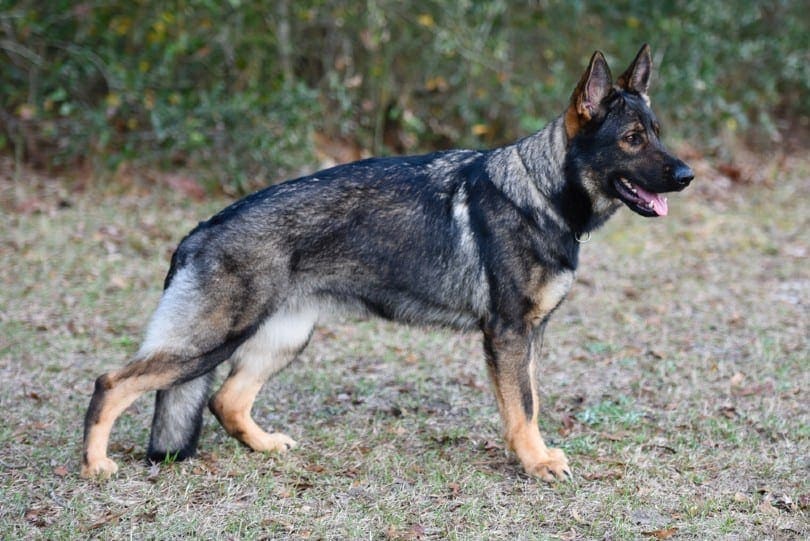
Welcome to the world of the Sable German Shepherd. This breed is a true gem in the dog world. It has unique traits and a rich history that sets it apart.
The sable coat color is a standout feature of German Shepherds. It shows the breed’s original purpose as a working dog. The breed’s history starts with Horand, a dog adopted by Max von Stephanitz. This dog represents strength, intelligence, and versatility.
The German Shepherd breed came to the US in 1906. It was recognized by the American Kennel Club in 1908. This marked the start of a great journey for this amazing breed. The sable German Shepherd is loved for its unique look and amazing abilities.
Key Takeaways
- Sable is the most dominant coat color in German Shepherds
- Breed originated with Horand, established by Von Stephanitz
- Recognized in the US in 1906 by AKC
- Represents the purest variation of shepherd dogs
- Distinctive coat reflects the breed’s strong working heritage
Understanding the Sable German Shepherd
Sable German Shepherds are a unique variant of the beloved working dog breed. Their coat color is different from traditional GSDs, giving them a wolf-like look. This makes them stand out in the world of dogs.
What Makes a Sable GSD Different
The sable coat is not just a color; it’s a genetic wonder. Unlike standard German Shepherds, sable GSDs have a coat with:
- Lighter fur roots
- Dramatic black tips
- Wolf-like color variations
- Rich, multi-toned appearance
The Dominant Gene Behind the Sable Coat
Genetics are key to the sable coat. The aw aw gene makes this color common in the breed. This gene links back to the breed’s founding in 1899 by Max von Stephanitz.
Physical Characteristics and Size Standards
Sable German Shepherds meet the breed’s impressive physical standards. They are great as family dogs and working partners:
- Female height: 22-24 inches
- Female weight: 55-73 pounds
- Male height: 24-26 inches
- Male weight: 75-95 pounds
These dogs are playful, intelligent, and beautiful. They are the best of German Shepherd breeding, with great looks and abilities.
The Rich History of Sable German Shepherds
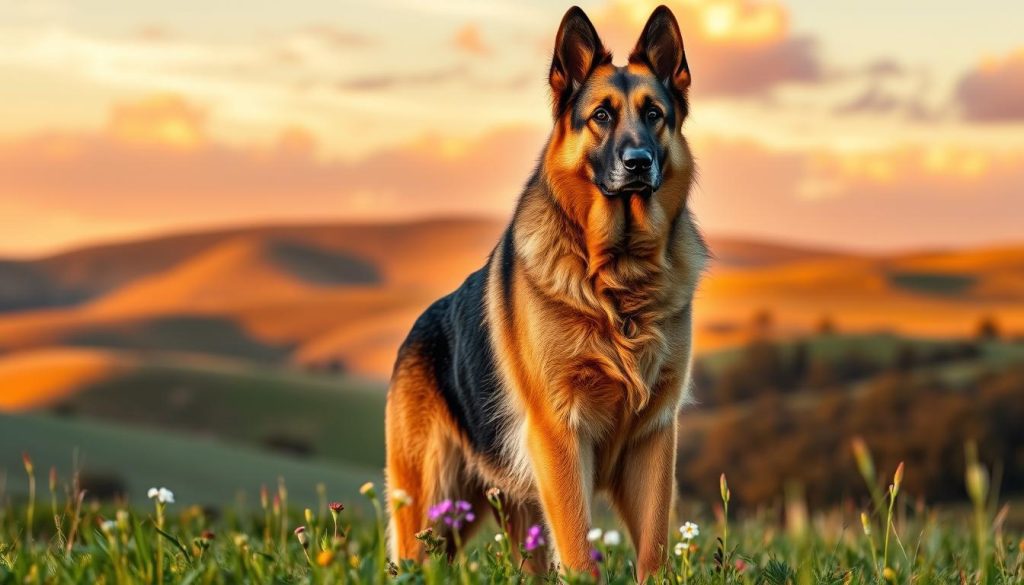
The story of sable German Shepherds starts with Captain Max von Stephanitz. In 1895, he found a dog named Horand von Grafrath. This dog became the key to the German Shepherd breed.
Horand was seen as the perfect working dog. His qualities changed how dogs were bred and used for service.
Exploring the history of German shepherd puppies is interesting. The sable color, from silver to red, was common in early dogs. Von Stephanitz saw their value for work and started the “Verein für Deutsche Schäferhunde” (Society for German Shepherd Dogs).
- First recognized German Shepherd: Horand Grafrath (1895)
- Sable color variations: Silver, red, and tan
- Primary breeding purpose: Working and service dogs
Early sable German Shepherds were known for their smarts and adaptability. They were great in military, police, and search-and-rescue work. Their genes came from Horand’s kids, showing the breed’s future traits.
By the early 1900s, these dogs were famous worldwide. Their numbers grew fast, with kennel club registrations soaring. By 1993, they became the third most popular dog in the United States.
Temperament and Intelligence of Sable GSDs
Sable German Shepherds are amazing companions with great intelligence and varied personalities. They come from both working and show lines, each with special traits. These dogs are truly unique.
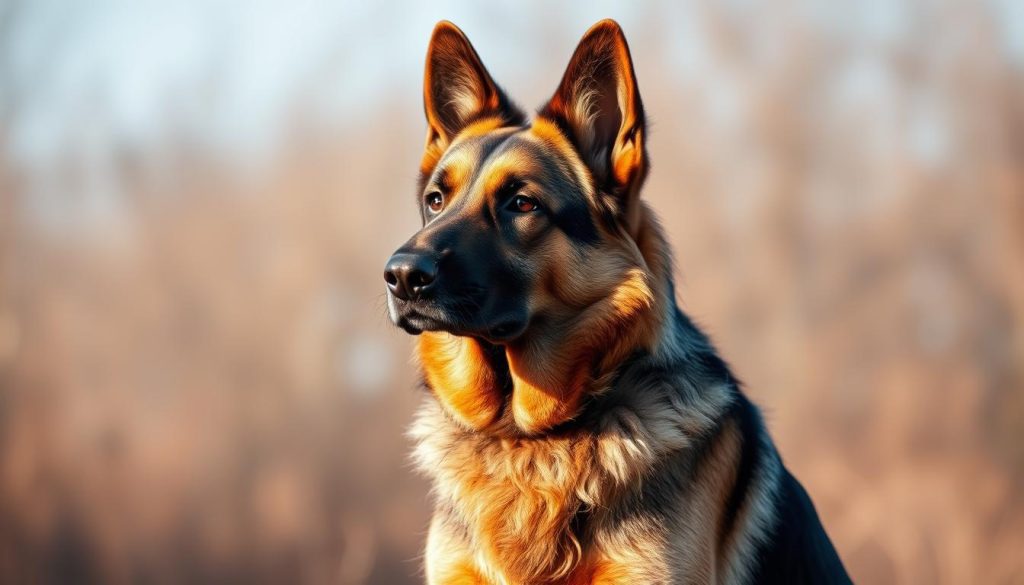
To understand sable GSDs, we must look at their unique traits and behaviors. They are not just pets but smart working animals with strong protective instincts.
Working Line vs Show Line Personalities
The personality of a sable German Shepherd changes based on its background:
- Working line sable GSDs have a strong focus and lots of energy
- Show line black and tan shepherds are more laid-back
- Both lines are very smart and easy to train
Training and Socialization Requirements
Training sable German Shepherds needs to be consistent and structured. Breeders suggest starting socialization early. This helps use their protective instincts and avoid bad behaviors.
Family Compatibility and Protection Instincts
Sable German Shepherds are great family protectors. Their black and red coats add to their protective nature. They bond deeply with their families and watch over them carefully.
| Characteristic | Working Line | Show Line |
|---|---|---|
| Energy Level | High | Moderate |
| Trainability | Extremely High | High |
| Family Compatibility | Requires Experienced Owner | More Adaptable |
The versatility of regular German Shepherds is seen in sable GSDs. They are more than pets; they are smart, loyal friends ready to fit into any family.
Common Health Issues and Lifespan Considerations of the Breed
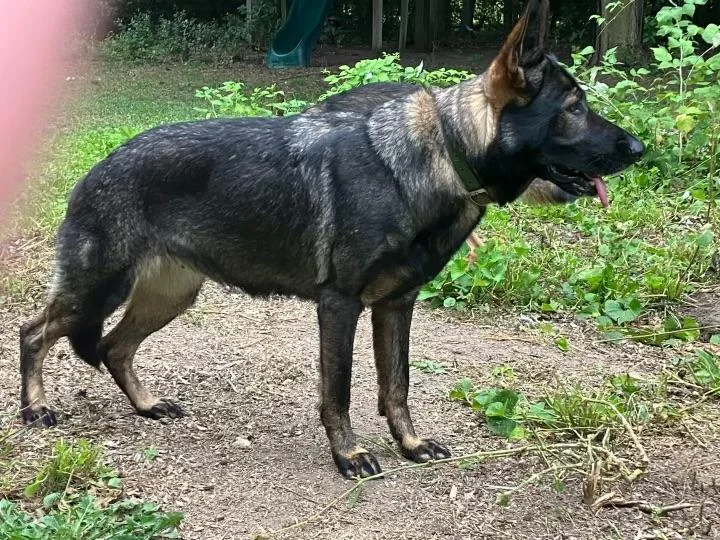
The sable German shepherd dog breed lives a long life, from 9 to 13 years. They are part of the respected shepherd dog family. These amazing dogs need special care for their health.
Genetic health is very important for sable German shepherd puppies. Our research shows several key health points:
- Potential joint issues like hip and elbow dysplasia
- Risk of degenerative myelopathy
- Susceptibility to stomach bloat
- Potential genetic health challenges
Good dog training and preventive care are key for a sable German shepherd’s health. The light brown and varied coat colors don’t mean they’re more prone to health issues.
Vets say regular check-ups with a trusted german shepherd club vet are important. Good breeding and health screenings can lower genetic risks.
Here are some health management tips:
- Routine veterinary examinations
- Balanced nutrition
- Regular exercise
- Mental stimulation
Understanding and tackling health challenges can help sable German shepherds live long, happy lives.
Exercise and Care Requirements
Sable German Shepherds are full of energy and very smart. They need lots of exercise and care to stay healthy and happy. This guide will help you meet their needs.
Daily Exercise Needs
German shepherds need a lot of exercise. They are active dogs that require:
- 1-2 hours of daily physical activity
- Varied exercise routines to prevent boredom
- Structured walks and playtime
Mental Stimulation Activities
Sable GSDs are very intelligent and need mental challenges. Good activities include:
- Puzzle toys
- Obedience training
- Scent work games
- Interactive fetch and retrieve exercises
Grooming and Maintenance
Coat care depends on whether your sable German shepherd has a short or long coat. Their coat color needs regular upkeep:
| Coat Type | Grooming Frequency | Special Considerations |
|---|---|---|
| Short Coat | Weekly brushing | Light shedding management |
| Long Coat | 2-3 times weekly | More intensive brushing |
Keep a close bond with your sable German shepherd through care, exercise, and love. Regular grooming and physical activities will keep them happy and healthy.
Conclusion
Our journey into the world of sable German Shepherds shows a truly amazing breed. These dogs have a wolf-like look and come in many colors, from light golden to deep black. Their sable coat color shows the breed’s rich genetic diversity, making them special in the German Shepherd world.
Working line sable German Shepherds are great at tough jobs, like police work and protecting families. They are full of energy and very smart, perfect for people who are active and train well. They go back to Horand von Grafrath, the first German Shepherd, showing their long history of purpose and skill.
Sable German Shepherds are unique, with both beauty and function. They come in black and lighter colors, each with its own personality and loyalty. For those looking for a smart, loyal, and versatile friend, the sable German Shepherd is the best choice.
Thinking about getting one of these amazing dogs? You’ll find a breed that’s more than a pet. They are a legacy of excellence, intelligence, and loyalty, ready to join you on life’s adventures.
Sable German Shepherd FAQ
What is a Sable German Shepherd?
A Sable German Shepherd is a specific color variation within the German Shepherd breed. They have a coat color that ranges from light tan to dark brown with black tips on the hair, giving them a unique appearance.
Are Sable German Shepherds a common color in the breed?
Yes, Sable German Shepherds are a common color variation found within the German Shepherd breed. While black and tan is the most well-known color for German Shepherds, sable is also quite popular.
What makes the Sable German Shepherd special?
The special thing about the Sable German Shepherd is its unique and striking coat color. Their sable coat sets them apart from other German Shepherds, making them stand out in a crowd.
How does the Sable coat color affect the behavior of German Shepherds?
The coat color of a German Shepherd, including the sable color, does not have a direct impact on its behavior. German Shepherds are known for their intelligence, loyalty, and protective nature regardless of their coat color.
Are Sable German Shepherds good for families?
Yes, Sable German Shepherds can make great family dogs. They are known for their loyalty and protective nature, and with proper socialization and training, they can be wonderful companions for families.
Do Sable German Shepherds have any health issues?
Like any dog breed, German Shepherds, including Sables, can be prone to certain health issues such as hip and elbow dysplasia. Regular vet check-ups and a healthy diet can help maintain their well-being.
Are Sable German Shepherds easy to train?
Yes, Sable German Shepherds are highly intelligent and eager to please, making them generally easy to train. They excel in obedience training and can be trained for various purposes such as working roles, service dogs, and more.
Can Sable German Shepherds be left alone?
German Shepherds, including Sables, are social dogs and may not do well when left alone for extended periods. They thrive on human companionship and require regular exercise and mental stimulation.
What is the difference between a sable and a traditional German Shepherd?
Sable German Shepherds have a multi-colored coat made up of bands of various shades of tan, brown, gold, silver, or gray rather than solid black. The exact pattern and intensity of the sable coloring can vary significantly from dog to dog.
Traditional German Shepherds have the iconic black and tan saddle-shaped coat pattern. This features black fur predominately on the back and tan fur on the legs, chest, cheeks, and eyebrows.