


Table of Contents
The German Shepherd Dog is one of the most widely recognised and popular dog breeds in the world. Originally developed as a herding dog in Germany in the late 1800s, the breed rose to international fame for its intelligence, trainability, and utility as a working dog used by police, military, search and rescue teams, and those with disabilities.
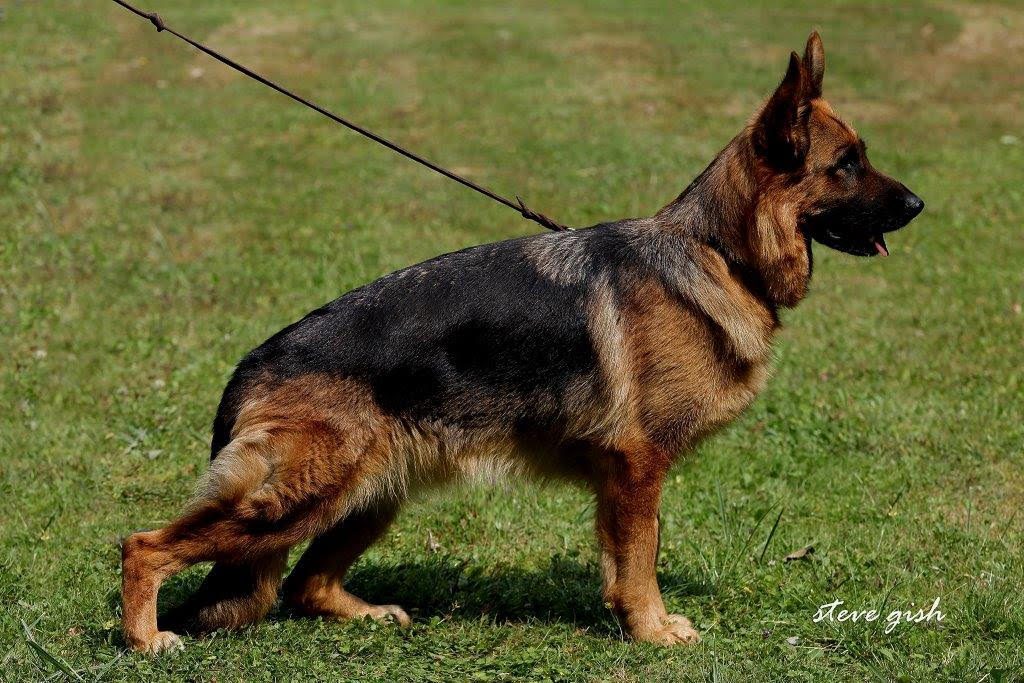
However, the German Shepherd Dog is also a beloved canine companion and show dog. And for experienced judges, evaluating this breed in the conformation show ring requires an educated, discerning eye to determine if the dog adheres to the breed standard.
In this informative video below, an esteemed American Kennel Club judge provides insider tips and valuable perspectives on this methodical approach to judging and evaluating the German Shepherd Dog. Let’s go through the key highlights from his advice:
Develop a Mental Image of the Ideal Dog
The first step is to thoroughly study and understand the official SV FCI and AKC breed standards for the German Shepherd Dog. This document describes the ideal characteristics, temperament, structure, and movement in detail. As a judge, imprint this standard in your mind to have a mental image of the perfect specimen. When judging, compare each dog to this vision of the ideal German Shepherd.
Focus on Overall Breed Type, Not Just Structure
When a German Shepherd Dog enters the ring, initially ask yourself:
- Does it look like a proper German Shepherd in expression, proportions, bone, coat texture, and colours?
- Does it move smoothly, effortlessly, and efficiently like a German Shepherd should?
Go beyond just assessing anatomical structure and angles. Make your determination based on overall breed type, including head characteristics, coat, colouring, body proportions, topline, and efficient movement.
Beware of Handling Tricks Used to Hide Flaws
Experienced handlers may use certain tricks to try and disguise structural flaws in a dog when stacked, such as over-angulating the rear or gaiting the dog on a tight lead. As a judge, watch the dog’s movement closely on a loose lead to get a truer evaluation, not influenced by handling manoeuvres. Don’t get fooled by a clever presentation.
Categorise Each Dog as Yes, No, or Maybe
As each German Shepherd Dog is presented in your ring, categorise it in your mind as Yes, No, or Maybe for the correct breed type. Try not to pre-judge the dog just on the initial stack. A ‘Maybe’ dog may start out looking questionable on the stack, but improve on the move. Or an initial standout on the stack may look worse moving. Keep an open mind.
Judge Based on Overall Quality, Not Just Minor Faults
Rather than overly focus on a specific structural fault, consider the total package and overall quality of the dog. A German Shepherd with some minor flaws can still be an excellent representative of the breed. Don’t get lost finding small faults. Look at the big picture.

German Shepherd Movement Reveals All
You simply cannot properly judge a German Shepherd Dog without watching its gait, both coming and going. Movement is crucial in this working breed. Look for smooth, ground-covering movement with good reach and drive. The rear and front assemblies should work in coordination. Movement often reveals structural flaws not evident in a stacked position. This is why expert judges focus intently on movement.
Recognise Greatness When You See It
At most dog shows, you’ll be judging classes with dogs of moderate quality. But keep an eye out for that exceptional animal that comes very close to the ideal standard. If a truly superb German Shepherd with a great overall breed type appears, recognise and reward it – even if it does not match the “popular” style of the day. Identifying such talent is the mark of a savvy judge.
By keeping these insider tips from a well-respected AKC judge in mind, you’ll be far better equipped to evaluate German Shepherd Dog entries in conformation events. Always remember to judge each dog on its merits against the breed standard – not just current trends and fads. And recognise correct, efficient movement which allows the German Shepherd Dog to work with strength, speed, and endurance.
Judging German Shepherds in Motion
One of the key pieces of advice from this expert judge is that evaluating German Shepherds stacked is only part of the equation. Observing them in motion is critical to identifying structural strengths and faults. Here are some tips on judging the breed in motion:
- Gaits: On a loose lead, watch for smooth, effortless trots showing good reach and drive. The dog should efficiently cover maximum ground with minimum steps, without exaggerated motion. Look for balance, coordination, and strength.
- Coming and Going: The movement of both coming and going toward the judge is very telling. Watch for proper front and rear angulation. Coming, check for the reach and extension of the front legs. Going, look for follow-through of the rear and correct hock action.
- Topline: A level topline should be maintained on the move without sagging or reaching. This demonstrates good structure and firm ligamentation.
- Head Carriage: The head should be carried forward in a natural position without being excessively high or low. An overly high head carriage often signals over-angulation.
- Coordination: The front and rear assemblies should work in rhythm and balance, with the rear providing propulsion and the front having free extension. Lack of coordination indicates structural imbalance.
- Efficiency: Movement should appear smooth and effortless, not laboured or lumbering. The dog should cover maximum ground while expending minimum energy due to correct angles and firm ligamentation.
- Endurance: Mentally envision the dog moving under the demands of rigorous herding work. Does the structure indicate the ability to gait efficiently for extended periods?
Remember, a German Shepherd is made to move with purpose as a resilient working dog. Observing its movement is the true test of proper structure and breed type.

Common Movement Faults to Watch For
When judging the German Shepherd Dog in motion, also look for these common movement faults, which may indicate structural weaknesses:
- Excessive Rear Action – Overangulated rears often produce too much lift and exaggerated action rather than efficient ground coverage.
- High Stepping Front – Lack of front angulation leads to high-stepping, hackneyed front movement.
- Sideways Motion – Insufficient rear angulation causes crabbing or moving sideways rather than straight forward.
- Lack of Reach – Short, upright upper arms prevent good forward extension of the front legs.
- Lack of Follow-Through – Short, steep croups reduce rear drive and follow-through.
- Soft in Topline – Weak rears and loins cause the topline to dip during movement.
- Crossing Over – Narrow or cow-hocked rears lead to crossing over in the back.
- Forging – Lack of coordination where the rear feet strike against the front feet.
- Wasted Motion – Choppy, ponderous movement lacking efficiency.
Watching for these faulty gait characteristics will sharpen your eye for spotting structural weaknesses and deviations from the standard.
Consistency is Key in Judging
Make your final placements based on which German Shepherds consistently demonstrate the essence of breed type, adhere closest to the standard, and move with athleticism and purpose. The soundest, functional dog may not always be the flashiest mover. Consistency in evaluating each entry fairly against the standard – rather than comparing dogs just to each other – should guide your rankings.
Judging the German Shepherd Dog requires dedication to fully comprehend the standard, along with nuanced powers of observation. Assess each dog systematically for breed type, structure, and efficient movement. With rigorous consistency and avoiding biases, your placements will properly recognise those German Shepherds which epitomise the total package that this working breed requires.
Insights from Past German Shepherd Stars
To gain a deeper perspective on the essence of a quality German Shepherd Dog, it helps to look back at some of the top winning dogs from decades past.
This judge kindly provided video footage of select German Shepherd winners from 1990. Reviewing footage of these previous champions provides a snapshot into breed history and what experts then considered exemplary:
- The dogs showcase proper moderate angulation front and rear, allowing for efficient ground-covering movement. None displays the extreme rear angulation sometimes seen today.
- They exhibit balanced side gait with coordination between front and rear. There is adequate reach and drive without wasted motion.
- While not overdone in any aspect, the dogs still show good type and breed character in their heads and expressions.
- On down and back movement, they display neither excessive lift nor high-stepping hackney front action.
- Side gaiting emphasises their ability to move powerfully over long distances, as required of a true working dog.
- Most importantly, these sought-after dogs were consistent in maintaining proper structure, toplines, and efficient movement in all gaits – standing and moving.
Analysing past quality German Shepherds provides an appreciation for the hallmarks of the breed: athleticism, stamina, coordination, type, and balance. Comparing current trends to prior greats can help judges refocus on virtues that may have fallen out of favour in the pursuit of extremes. Rather than trends, the breed standard must guide evaluations.
Remember the Versatile Working Heritage
The German Shepherd Dog’s original purpose called for a mentally sharp dog of rugged build capable of handling demanding, continuous work – whether herding sheep across fields or apprehending criminals over city streets.
When evaluating German Shepherds in the show ring today, judges must envision the dog’s ability to perform its traditional tasks with strength and soundness. Never lose sight of this versatile, active heritage in your assessments.
Favour and evaluate the German Shepherds which demonstrate both elemental breed type and structural efficiency. Soundness and stamina should not be sacrificed solely for an eye-catching silhouette. And minor faults can be excused if the total dog shows athleticism and intelligence, true to its legacy as a multi-faceted working breed.
By returning to the breed’s functional roots, judges can focus on virtues that may have been overshadowed in the quest for a trendy style. And deserving German Shepherds will again be recognised for embodying the total essence of this prized working dog.
Common Judging Challenges with German Shepherds
Judging the German Shepherd Dog presents some unique challenges that require knowledge and discernment:
Popular Sires Effects: Certain champion sires become very influential. But overuse of popular stud dogs can lead to loss of genetic diversity. As a judge, don’t just default to rewarding popular bloodlines. Judge each dog on its merits.
Black and Red Preference: Many believe classic black and red colouration is more “correct” for German Shepherds. But the breed standard permits all colours. Don’t penalise excellent quality dogs of less common colours like sables, Bio-Colour, etc.
Over-Angulation: Extremes in rear angulation are at risk of becoming rewarded in the show ring over moderation. But sound structure should prevail over exaggeration. Favour more moderate rears with Balance.
Heavy Coats: For generations, the correct coat for a German Shepherd has been described as a medium double coat. Avoid favouring excessively heavy, long coats, which compromise the athleticism this working breed requires.
Size Variance: Adult male German Shepherds in show condition may range from 65-90 lbs. But extremes on either end are equally faulty. The ideal size, as stated in the standard, for males is 65-70 lbs and for bitches 60-65 lbs.
Weak Temperament: Shyness or skittish temperaments are highly undesirable. Expect neutral confidence appropriate for a working dog. Nervy behaviours should not be rewarded.
Handler Over-Control: Handlers gaining the dog’s focus through excessive touching, baiting, vocal cues, etc., make assessing temperament difficult. Judge the dog, not the handler’s tricks.
Judges able to recognise these pitfalls – and stay true to the standard’s virtues – will protect breed type integrity. Education and integrity are vital when evaluating this working dog, now also in the spotlight of the show ring.
Final Takeaways on Judging the German Shepherd Dog
To summarise the key points on evaluating German Shepherd Dogs in conformation:
- Judge against the standard – not trends, extremes, or popular sires.
- Focus on efficient movement that covers ground while expending minimal energy.
- Favour moderation over exaggeration in all aspects.
- Consider the overall functional type beyond just the structure.
- Allow for minor faults if the total dog excels in breed characteristics.
- Don’t overlook excellent specimens just because they don’t match the current “style”.
- Remember the breed’s legacy as a resilient, multi-purpose working dog.
By keeping these essential criteria in mind, you’ll be on your way to becoming a respected judge able to recognise German Shepherd Dogs, which epitomise the essence of this athletic, versatile breed.
Q&A With the Expert Judge On How To Evaluate the German Shepherd In The Ring
To gain more first-hand tips from this highly experienced German Shepherd Dog judge, let’s go through some of his insights from a Q&A session:
Q: What are some common mistakes you see judges make when evaluating German Shepherds?
A: The biggest mistake I see is judges going to extremes in their preferences. Some focus so much on a flashy, driving rear that they excuse poor front assemblies and toplines. Others only reward a certain popular bloodline. They have a narrow view of what’s “correct” based on trends rather than the standard.
Q: What handling tricks should judges watch out for?
A: Handlers are very skilled at using certain techniques to cover up flaws in a dog. For example, over-angulating the rear or holding up the head unnaturally high. I watch the dog closely on a loose lead to see movement without handling tricks. Don’t be fooled by the presentation – judge the dog.
Q: How important is movement compared to standing structure?
A: With this working breed, movement is absolutely essential. You simply cannot evaluate a German Shepherd properly without seeing it move. Movement reveals strengths and flaws in the structure not visible when stacked. I don’t mind a minor flaw if the overall dog moves powerfully.
Q: What is your advice on keeping up with changes in breed type?
A: Fashions come and go, but the standard remains the same. As a judge, I focus on identifying German Shepherds that are excellent examples of the breed – not just the popular style of the day. Of course, we must educate ourselves on current trends. But soundness and moderation should be timeless virtues.
Q: How does judging German Shepherds compare to other breeds?
A: The GSD standard describes balance, power, and athleticism. This versatility as a working breed makes evaluation more complex than with some companion breeds. Judging this breed well requires really understanding movement, structure, temperament, and overall functional type – beyond just a pretty picture.
This respected judge’s perspectives reinforce the importance of an educated, holistic approach to evaluating German Shepherd Dogs. Trends will evolve, but the standard remains the true measuring stick.
