


Watching a tiny, helpless puppy transform into a confident, well-adjusted adult dog is one of life’s most rewarding experiences. But here’s the truth: understanding the developmental stages your puppy goes through isn’t just fascinating—it’s essential for raising a healthy, happy companion. In my 20 years of breeding and working with hundreds of puppies, I’ve seen firsthand how knowing these critical growth phases can prevent behavioral issues, strengthen your bond, and help you navigate the challenges of puppyhood with confidence.
Whether you’re a first-time puppy parent or an experienced dog owner, this comprehensive guide will walk you through each stage of your puppy’s journey from birth to adulthood, giving you the insights you need to support your furry friend every step of the way.
Key Takeaways:
- Puppy development consists of seven distinct stages from birth to maturity
- Each stage has unique physical, cognitive, and emotional milestones
- Early socialization between 3-16 weeks is the most critical window for long-term behavior
- Understanding fear periods helps prevent lifelong anxiety and behavioral issues
- Proper training and support at each stage creates a well-adjusted adult dog
Stage 1: Neonatal Period (Birth to 2 Weeks) – The Foundation Phase
The neonatal stage represents your puppy’s most vulnerable period. During these first two weeks, newborn puppies are completely dependent on their mother for survival. Born with their eyes and ear canals sealed shut, they navigate their world through touch and taste alone.
At this stage, puppies cannot regulate their body temperature effectively. You’ll often see them huddled together in what we call a “puppy pile” this isn’t just adorable, it’s a survival mechanism. Their mobility is extremely limited, with only slow crawling movements as they instinctively search for their mother’s warmth and milk.
Physical Development:
- Weight typically doubles within the first week
- Touch and taste senses are present from birth
- Eyes remain closed until days 10-14
- Cannot eliminate waste without maternal stimulation
- Sleep accounts for approximately 90% of their day
Around day 10 to 14, you’ll witness an exciting milestone: their eyes begin to open. However, their vision remains cloudy and unfocused at this point. As an experienced breeder, I cannot stress enough how important it is not to disturb puppies during this delicate phase. Keep the environment quiet, warm (around 85-90°F), and free from excessive handling by strangers.
What Breeders Should Do: Monitor the mother’s health closely, ensure all puppies are nursing successfully, and weigh puppies daily to confirm steady growth. Any puppy that isn’t gaining weight or seems lethargic needs immediate veterinary attention.
Stage 2: Transitional Period (2 to 4 Weeks) – Awakening to the World
The transitional stage is where magic starts happening. This rapid development phase bridges the gap between complete helplessness and the beginnings of independence. Puppies undergo tremendous sensory development as their hearing and vision capabilities emerge.
During this two-week window, you’ll notice puppies responding to sounds for the first time. Their eyes, now fully open, begin tracking movement, though their vision won’t be fully mature until around 8 weeks. One of the most significant milestones is their ability to eliminate without maternal stimulation a crucial step toward eventual house training.
Behavioral Changes:
- First attempts at walking instead of just crawling
- Beginning to bark and make puppy sounds
- Tail wagging appears
- Playing with littermates starts
- First baby teeth begin emerging
This is when puppies truly start looking and acting like “real” puppies. They become more mobile and curious about their surroundings, though they still rely heavily on their mother. Their developing motor skills mean lots of wobbly steps and adorable tumbles as they learn to coordinate their movements.
Critical Care Notes: Introduce gentle handling during this period, but keep it brief. This early human contact helps with socialization, but puppies still need to stay close to their mother and littermates. The environment should gradually include normal household sounds like vacuum cleaners, televisions, and doorbells at low volumes to begin habituation.
Stage 3: Socialization Period (3 to 12 Weeks) – The Most Critical Window
Here’s where I need you to pay close attention because this stage can literally shape your dog’s entire life. The socialization period is widely recognized by veterinary behaviorists as the most important developmental phase. What happens during these nine weeks will influence your dog’s personality, confidence, and behavior for years to come.
Between 3 and 5 weeks, puppies become aware of their surroundings and develop the capacity to form relationships with people. This is when they start learning doggie social skills from their mother and littermates including bite inhibition, reading canine body language, and understanding pack dynamics.
Why This Stage Is Non-Negotiable: Puppies removed from their mother and littermates too early (before 7-8 weeks) often develop behavioral problems including excessive biting, difficulty reading other dogs’ signals, and anxiety issues. The lessons they learn from their canine family during this time are impossible to replicate later.

The 8-Week Fear Period: Between 8 and 10 weeks, puppies experience their first fear period. Suddenly, things that didn’t bother them before might cause alarm. A flapping plastic bag, a loud truck, or a person wearing a hat could trigger fear responses. How you handle this period is crucial never force your puppy to confront their fears or coddle fearful behavior. Instead, remain calm, positive, and patient.
Socialization Best Practices:
- Introduce your puppy to various people (different ages, sizes, ethnicities)
- Expose them to different environments gradually
- Ensure all experiences are positive and stress free
- Never overwhelm them with too much at once
- Start basic training with positive reinforcement methods
- Begin house training as early as 5 weeks (with mother’s guidance)
At 6-7 weeks, puppies should receive their first vaccinations and deworming treatment. By 7-9 weeks, they’re ready to leave their mother and join their new families. This transition should be handled carefully to minimize stress.
Training Foundations: This is the perfect time to introduce basic concepts like name recognition, coming when called, and simple commands. Use treats, praise, and play as rewards. Keep training sessions short (5-10 minutes) and always end on a positive note. Puppies at this age have short attention spans but absorb information like sponges.

Stage 4: Juvenile Period (3 to 6 Months) – The Toddler Stage
Welcome to the puppy equivalent of the “terrible twos.” The juvenile stage brings increased independence, testing of boundaries, and let’s be honest some frustrating moments. Your previously obedient puppy might suddenly develop selective hearing and conveniently “forget” commands they’ve known for weeks.
Physical and Cognitive Changes:
- Rapid growth spurts
- Improved bladder and bowel control (can sleep through the night)
- All baby teeth are present
- Energy levels increase significantly
- Attention span gradually improves
At around 3 months, your puppy becomes more like a toddler curious, energetic, and determined to assert their independence. They’ll start ignoring commands they previously followed perfectly, not because they’ve forgotten, but because they’re testing boundaries to see what they can get away with.
The Teething Challenge (4-6 Months): Around 4 months, your puppy enters what many owners call the “brat stage.” Adult teeth start pushing through, causing discomfort that drives them to chew everything in sight. This isn’t misbehavior it’s a natural response to pain and pressure in their gums.
Management Strategies: Provide appropriate chew toys (frozen washcloths, rubber toys, dental chews) and redirect any inappropriate chewing immediately. Puppy proof your home thoroughly because your shoes, furniture, and baseboards are all potential targets. Consistent, gentle correction combined with praise for choosing appropriate items works best.
Training During This Stage: Continue with basic obedience but expect some regression. Remain patient, firm, and consistent. This is not the time to give up on training it’s when your consistency matters most. Enroll in puppy kindergarten classes if you haven’t already. The structured environment and socialization with other puppies provides invaluable learning opportunities.
Stage 5: Adolescence (6 to 18 Months) – The Challenging Phase
If you thought the juvenile stage was tough, buckle up. Canine adolescence can test even the most patient dog owner. This is when many dogs unfortunately end up in shelters because owners weren’t prepared for the behavioral challenges that accompany this developmental phase.
What to Expect:
- Increased independence and willfulness
- Selective hearing reaches new heights
- Higher energy levels and destructive potential
- Sexual maturity begins (6-9 months for most breeds)
- Second fear period (typically 6-14 months)
During adolescence, your puppy’s brain undergoes significant rewiring. They’re caught between puppyhood and adulthood, which creates confusion and inconsistent behavior. One day they’re your sweet baby, the next they’re testing every boundary you’ve established.
The Second Fear Period: This fear phase can be particularly disorienting because you’ve likely forgotten about the first one, and your puppy now looks like an adult. Something they’ve encountered dozens of times might suddenly terrify them. Maybe they’ve walked past that mailbox every day for months, but today it’s the scariest thing they’ve ever seen. This is normal neurological development as their adult brain forms.
Handling Adolescent Challenges: Never punish fear or force confrontation. Use positive reinforcement to reward brave behavior and build confidence gradually. If your adolescent dog refuses to walk past something, don’t drag them instead, maintain distance and reward calm behavior, gradually decreasing distance over multiple sessions.
Training Must Continue: This is absolutely not the time to slack off on training. In fact, adolescence requires even more consistency, patience, and structured activity than earlier stages. Increase physical exercise to burn off excess energy, add mental stimulation through puzzle toys and training games, and maintain clear, consistent rules.
Sexual Maturity Considerations: Unless you’re a responsible breeder with specific goals, discuss spaying or neutering with your veterinarian. The timing varies by breed and size small dogs can often be altered earlier, while large and giant breeds may benefit from waiting until growth plates close.
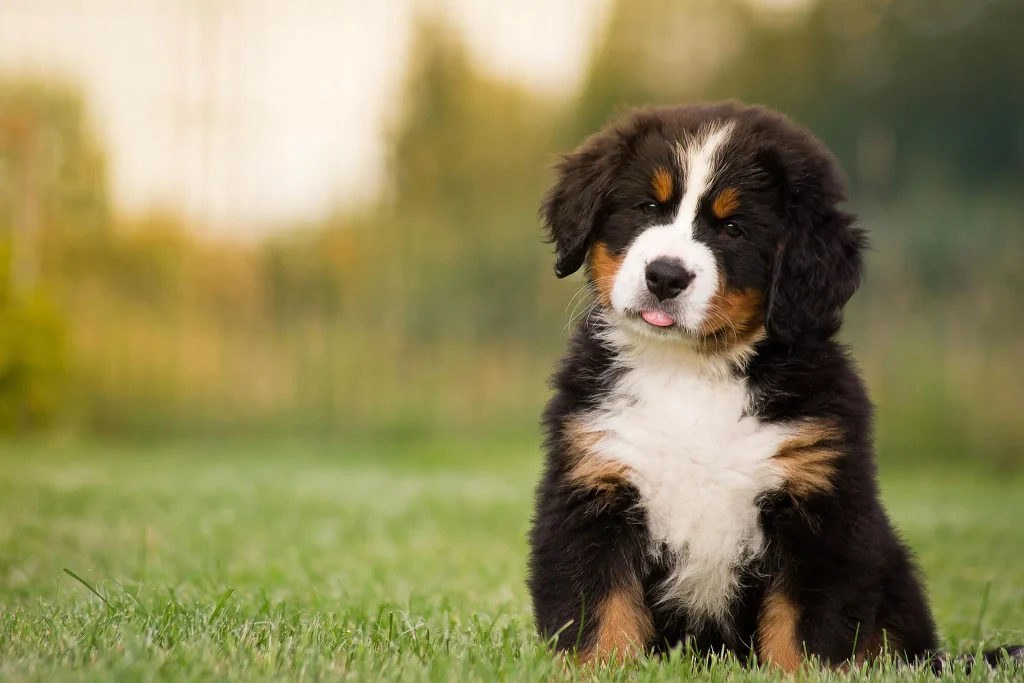
Stage 6: Young Adulthood (18 Months to 2 Years) – Finding Balance
Congratulations you’ve survived puppyhood! Young adulthood brings welcome relief as your dog’s behavior begins to stabilize. The chaos of adolescence fades, replaced by a more predictable, mature temperament.
Characteristics of This Stage:
- Behavior becomes more consistent and reliable
- Energy levels remain high but more manageable
- Training responses improve dramatically
- Adult personality fully emerges
- Physical growth essentially complete (though large breeds may still be filling out)
Your young adult dog should now reliably respond to basic commands, have good house manners, and show appropriate social behavior with people and other dogs provided you’ve done the work during earlier stages. This is where all your training efforts pay dividends.
Continued Development: While your dog may look fully grown, their brain isn’t completely mature yet. Social preferences and habits can continue evolving until age 2 or even 3 in some breeds. Maintain training routines and continue socialization opportunities to reinforce good behavior patterns.
Addressing Any Lingering Issues: If behavioral problems persist into young adulthood, now is the time to seek professional help. Issues like reactivity, aggression, or severe anxiety are easier to address at this stage than after they’ve become deeply ingrained patterns. Consider working with a certified professional dog trainer or veterinary behaviorist.
Exercise and Mental Stimulation: Young adult dogs need regular physical exercise and mental challenges. The specific requirements vary by breed a Border Collie needs significantly more stimulation than a Basset Hound. Under-stimulated dogs often develop destructive behaviors, excessive barking, or other problem behaviors out of sheer boredom.
Stage 7: Maturity (2+ Years) – Full Adulthood
Your dog has finally reached emotional maturity. The wild puppy you brought home is now a confident, well-adjusted adult dog (hopefully!). Most breeds reach full behavioral maturity between 2 and 3 years of age, though some giant breeds may take until age 4.
Characteristics of Mature Dogs:
- Stable, predictable temperament
- Established habits and routines
- Fully developed social preferences
- Peak physical condition (for healthy dogs)
- Reliable behavior in various situations
At this stage, your relationship with your dog should be well-established and mutually rewarding. Daily routines provide structure and security, while your bond continues deepening through shared experiences and activities.
Ongoing Training and Enrichment: Just because your dog is an adult doesn’t mean training stops. Continue reinforcing good behaviors, introduce new tricks and commands to keep their mind sharp, and maintain socialization through regular interactions with other dogs and people. Mental stimulation remains important throughout your dog’s entire life.
Health Monitoring: As your dog transitions into adulthood, shift focus toward preventive health care. Regular veterinary check-ups, dental care, appropriate nutrition, and weight management become increasingly important. Establishing good health habits now will pay dividends as your dog ages.
Breed-Specific Considerations: Remember that maturity timelines vary significantly by breed size. Small breeds (under 20 pounds) typically mature by 12 months, medium breeds (20-50 pounds) by 15-18 months, large breeds (50-100 pounds) by 18-24 months, and giant breeds (100+ pounds) may not reach full maturity until 24-36 months.

Understanding Puppy Growth Milestones Across Stages
| Development Stage | Age Range | Key Physical Milestones | Key Behavioral Milestones |
|---|---|---|---|
| Neonatal | 0-2 weeks | Eyes/ears closed, limited mobility | Instinctive responses only |
| Transitional | 2-4 weeks | Eyes/ears open, walking begins | First barks, tail wags, play |
| Socialization | 3-12 weeks | Full sensory development, teething | Learning social skills, first fear period |
| Juvenile | 3-6 months | Rapid growth, adult teeth | Boundary testing, increased independence |
| Adolescence | 6-18 months | Sexual maturity, growth completion | Second fear period, willfulness |
| Young Adult | 18-24 months | Physical maturity | Behavioral stabilization |
| Maturity | 2+ years | Peak condition | Full emotional maturity |
Common Mistakes to Avoid During Puppy Development
After two decades of working with puppies, I’ve seen certain mistakes repeated countless times. Here are the most critical errors to avoid:
Removing Puppies Too Early: Taking a puppy from their mother before 7-8 weeks robs them of crucial social learning. These puppies often struggle with bite inhibition, reading canine body language, and stress management throughout their lives.
Skipping Socialization: Failing to properly socialize puppies during the critical 3-16 week window creates fearful, anxious, or reactive adult dogs. This isn’t something you can effectively make up for later early socialization is irreplaceable.
Inconsistent Training: Allowing behaviors as a cute puppy that you won’t accept in an adult dog confuses your puppy and creates problems. That adorable puppy jumping on people becomes a 70-pound dog knocking over children.
Punishment-Based Methods: Using harsh corrections, yelling, or physical punishment during development stages damages your bond and can create fear and aggression. Positive reinforcement builds confident, eager-to-please dogs.
Overwhelming Fear Periods: Forcing puppies to confront their fears or flooding them with scary experiences during fear periods can cause lasting psychological damage. Patience and positive associations are essential.
Neglecting Exercise Needs: Under-exercised puppies become destructive, hyperactive, and difficult to train. Physical activity is crucial for both physical development and mental health.
Maximizing Each Developmental Stage: Expert Tips
For the Neonatal and Transitional Stages (0-4 weeks): If you’re a breeder, focus on providing optimal conditions for the mother. Ensure proper nutrition, a quiet environment, and minimal stress. Begin Early Neurological Stimulation (ENS) exercises between days 3-16 to potentially enhance stress tolerance and immune function.
For the Socialization Period (3-12 weeks): This is your most important window. Expose your puppy to 100 different people in the first 100 days. Include children, elderly people, people in uniforms, people with mobility aids, and individuals of different ethnicities. Make every encounter positive with treats and praise.
Introduce various surfaces (grass, concrete, tile, carpet, gravel), different environments (parks, urban areas, quiet neighborhoods), and common objects (umbrellas, bicycles, strollers). The goal isn’t to overwhelm but to gradually build confidence through positive experiences.
For the Juvenile Period (3-6 months): Structure is your friend. Establish consistent routines for feeding, walking, training, and bedtime. Use crate training appropriately to prevent destructive behavior when unsupervised and aid house training.
Redirect unwanted behaviors immediately and consistently. When your puppy chews the wrong thing, interrupt with a neutral “uh-uh,” then immediately offer an appropriate chew toy and praise when they take it.
For Adolescence (6-18 months): Increase exercise significantly a tired adolescent is a well-behaved adolescent. Consider activities like agility training, swimming, or long hikes (breed-appropriate). Mental stimulation through puzzle toys, nose work, and advanced training helps channel their energy constructively.
Maintain your training standards even when your dog “forgets” commands. Use higher-value rewards during this stage to maintain motivation. Consider enrolling in intermediate or advanced training classes for structure and continued socialization.
For Young Adulthood and Maturity (18+ months): Continue reinforcing good behavior with rewards and praise. Introduce your dog to new activities and experiences to keep them mentally engaged. Consider dog sports like agility, dock diving, or nose work that provide physical exercise and mental stimulation.
Addressing Developmental Problems: When to Seek Help
Sometimes, despite your best efforts, problems arise during puppy development. Knowing when to seek professional help can prevent minor issues from becoming major behavioral problems.
Seek Professional Help If:
- Your puppy shows aggression toward people or other dogs (growling, snapping, biting beyond normal puppy mouthing)
- Fear or anxiety is excessive and doesn’t improve with gentle, positive exposure
- House training isn’t progressing after several months of consistent effort
- Separation anxiety is severe (destructive behavior, excessive vocalization, self-harm)
- Compulsive behaviors develop (tail chasing, excessive licking, pacing)
Don’t wait until problems become entrenched. Early intervention with a certified professional dog trainer (CPDT) or veterinary behaviorist dramatically improves outcomes. Many behavioral issues that seem insurmountable are actually quite treatable with proper guidance.
The Role of Nutrition in Puppy Development
Proper nutrition isn’t just about physical growth it directly impacts cognitive development, immune function, and long-term health. During rapid growth phases, puppies require specific nutritional profiles that differ significantly from adult dogs.
Critical Nutritional Factors:
- Protein: Supports muscle development and overall growth
- DHA (Omega-3 fatty acid): Crucial for brain and vision development
- Calcium and Phosphorus: Must be balanced correctly for skeletal development
- Calories: High-quality puppy foods provide concentrated calories for energy needs
Large and giant breed puppies require particularly careful nutritional management. Too rapid growth increases the risk of developmental orthopedic diseases. These breeds benefit from puppy foods specifically formulated for large breeds with controlled calcium and calorie levels.
Consult your veterinarian about the best diet for your specific puppy. Factors including breed, size, activity level, and any health concerns should inform your choice. Avoid the temptation to supplement calcium or vitamins without veterinary guidance more is not better and can actually cause serious health problems.
Conclusion: Setting Your Puppy Up for Success
Understanding the seven stages of puppy development gives you a roadmap for raising a confident, well-adjusted adult dog. From the vulnerable neonatal period through the challenging adolescent phase to mature adulthood, each stage presents unique opportunities and challenges.
Patience, consistency, and knowledge make all the difference. Puppies don’t misbehave to spite you their behavior reflects their developmental stage, environment, and the guidance you provide. When you understand what’s happening in their growing brain and body, you can respond appropriately and set realistic expectations.
Remember that the critical socialization window between 3 and 16 weeks shapes your dog’s entire life. Invest time in positive experiences during this period, maintain consistent training through the challenging juvenile and adolescent stages, and continue providing structure and enrichment throughout adulthood.
Your puppy’s journey from helpless newborn to confident adult is remarkable. By supporting them through each developmental stage, you’re not just raising a dog you’re building a lifelong partnership with a trusted companion. The effort you invest during these critical months will reward you with years of joy, loyalty, and unconditional love.
Ready to give your puppy the best start possible? Begin by identifying their current developmental stage and implementing the appropriate training, socialization, and care strategies. Your future self and your future adult dog—will thank you for the foundation you build today.
Q: What are the 7 stages of puppy development? The seven stages of puppy development are:
(1) Neonatal period (0-2 weeks) – complete dependence on mother;
(2) Transitional period (2-4 weeks) – eyes and ears open;
(3) Socialization period (3-12 weeks) – most critical stage for learning;
(4) Juvenile period (3-6 months) – increased independence;
(5) Adolescence (6-18 months) – testing boundaries;
(6) Young adulthood (18-24 months) – behavioral stabilization;
(7) Maturity (2+ years) – full emotional development.
