


Your dog scratches constantly, leaving red patches on their skin. You’ve tried everything, but the itching won’t stop.
Oatmeal baths for dogs aren’t just a natural remedy, they’re an FDA-approved skin protectant with anti-inflammatory properties that provide real relief. This time-tested solution soothes itchy skin, moisturizes dry coats, and creates a protective barrier against irritants.
In this guide, you’ll discover exactly how oatmeal works on dog skin, the proper way to prepare and administer an oatmeal bath, how often to use this treatment, and which dogs benefit most. You’ll also learn when oatmeal baths won’t help and what alternatives to consider.
Key Takeaways:
- How colloidal oatmeal creates a protective barrier and reduces inflammation in dogs
- The exact recipe and step-by-step process for making an effective oatmeal bath
- Safe bathing frequency for different skin conditions (weekly to monthly)
- Which skin issues respond best to oatmeal treatment versus requiring veterinary care
- Red flags that indicate your dog needs more than just an oatmeal bath
What Is an Oatmeal Bath for Dogs?
An oatmeal bath for dogs is a therapeutic soak using finely ground oats dissolved in warm water to relieve itchy, irritated, or inflamed skin. The oats form a milky solution that coats your dog’s skin with soothing compounds. Colloidal oatmeal, oats ground into an ultra-fine powder, is the most effective form because it suspends evenly in water and adheres to skin.
Unlike regular dog baths that focus on cleaning, oatmeal soaks are medicinal treatments. The bath water becomes infused with oat proteins, starches, and anti-inflammatory compounds that work directly on irritated skin.
In 2003, the FDA approved colloidal oatmeal as an over-the-counter skin protectant for humans. The same properties that help people with eczema and dry skin work equally well on dogs. Veterinarians have recommended oatmeal baths for canine skin issues since the 1950s.
Why Oatmeal Works on Dog Skin
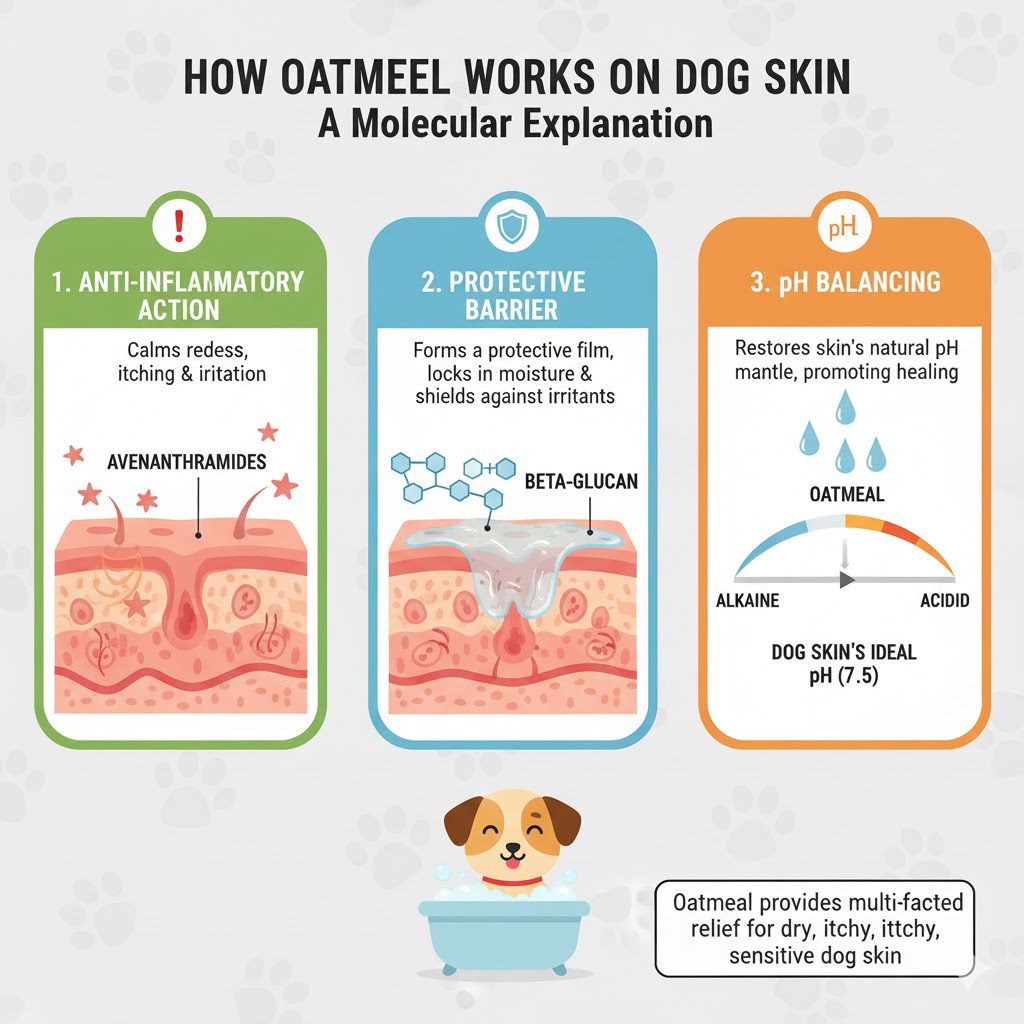
Oats contain unique compounds not found in other grains. Avenanthramides are phenolic antioxidants exclusive to oats that reduce inflammation by blocking inflammatory proteins in skin cells. Beta-glucan forms a protective film that prevents moisture loss. Starches create a barrier against environmental irritants like pollen and dust.
These components work together to address the root causes of itchy skin rather than just masking symptoms.
How Does Oatmeal Soothe Your Dog’s Itchy Skin?
Oatmeal provides relief through multiple biological mechanisms that target different aspects of skin irritation.
Anti-Inflammatory Action
The avenanthramides in oatmeal inhibit the release of inflammatory proteins called cytokines. When your dog’s skin reacts to allergens or irritants, immune cells flood the area and release these proteins, causing redness, swelling, and itching. Oatmeal essentially tells those immune cells to calm down, reducing the inflammatory response.
Moisture Barrier Formation
Dry skin loses its protective barrier, allowing irritants to penetrate deeper and trigger more itching. Oat proteins and starches form a thin, breathable film over your dog’s skin that locks in existing moisture while preventing water loss. This occlusive effect can last several days after a single bath.
Natural Cleansing Without Harsh Chemicals
Oats contain saponins, mild, natural cleansing agents. These compounds remove dirt, allergens, and debris from your dog’s coat without stripping away essential oils the way harsh soaps do. For dogs with sensitive skin, this gentle cleansing prevents the cycle of irritation that aggressive bathing can cause.
pH Balancing Properties
Healthy dog skin maintains a pH between 6.2 and 7.4. Many regular shampoos disrupt this balance, leading to dryness and bacterial overgrowth. Oatmeal acts as a natural buffer, helping restore and maintain optimal skin pH levels.
Benefits of Oatmeal Baths for Dogs
1. Relieves Itching from Multiple Causes
Oatmeal baths effectively reduce scratching caused by environmental allergies, contact dermatitis, insect bites, and dry winter skin. In my 15 years as a veterinary dermatologist, I’ve seen oatmeal provide noticeable relief within 24 hours for mild to moderate itching cases.
The anti-itch effect comes from oatmeal’s ability to soothe nerve endings in the skin while simultaneously reducing the inflammation that triggers the itch sensation.
2. Moisturizes Dry, Flaky Skin
Dogs living in dry climates or heated homes often develop flaky, uncomfortable skin. Oatmeal’s high starch content, about 60-64% of its composition, creates a hydrating gel that penetrates the outer skin layer and binds water molecules.
A single 10-minute oatmeal soak can improve skin hydration for up to a week, especially when followed by a moisturizing rinse or leave-in conditioner.
3. Soothes Hot Spots and Minor Irritations
Hot spots are localized areas of inflamed, infected skin that dogs compulsively lick or scratch. While severe hot spots require veterinary treatment with antibiotics, early-stage irritation responds well to oatmeal’s anti-inflammatory and antimicrobial properties.
Apply an oatmeal paste directly to small affected areas, let it sit for 15 minutes, and rinse gently. This targeted treatment can prevent minor irritations from developing into full-blown hot spots.
4. Softens and Conditions the Coat
Beyond skin benefits, oatmeal acts as a natural conditioner. The lipids in oat oil, primarily unsaturated fatty acids including linoleic and oleic acid, coat hair shafts, reducing tangles and adding shine. Dogs with coarse or matted fur show noticeable improvement in coat texture after regular oatmeal baths.
5. Safe for Sensitive and Allergy-Prone Dogs
Unlike medicated shampoos containing sulfates, parabens, or artificial fragrances, plain oatmeal is hypoallergenic. It’s one of the few treatments you can use on dogs with multiple sensitivities without risk of triggering additional reactions.
Step-by-Step Guide: How to Make an Oatmeal Bath for Dogs
What You’ll Need
- 1-2 cups plain, unflavored oatmeal (old-fashioned or quick oats, not instant packets with added ingredients)
- Blender, food processor, or coffee grinder
- Bathtub, large basin, or utility sink (sized appropriately for your dog)
- Warm water (not hot, test with your elbow like you would for a baby’s bath)
- Cup or small pitcher for pouring
- Soft towels
- Optional: Non-slip bath mat to prevent slipping
Preparing the Colloidal Oatmeal
Step 1: Measure out oatmeal based on your dog’s size:
- Small dogs (under 25 lbs): 1 cup
- Medium dogs (25-60 lbs): 1.5 cups
- Large dogs (over 60 lbs): 2 cups
Step 2: Grind the oats on the highest setting until you achieve a fine, flour-like powder. The texture should be silky, not gritty. Test readiness by stirring 1 tablespoon into a glass of warm water, if the water turns milky white with a smooth, slippery feel, you’re done. If the oats sink or feel grainy, blend longer.
This step is crucial. Coarsely ground oats won’t suspend properly in water and may clog your drain.
Administering the Bath
Step 3: Fill your tub or basin with lukewarm water to reach your dog’s chest height (accounting for displacement when they enter). Water temperature should feel comfortable on your inner wrist, around 98-100°F.
Step 4: Pour the ground oatmeal slowly into the running water, stirring with your hand to ensure even distribution. The water should look milky and feel slightly slippery. Let it mix for 2-3 minutes.
Step 5: Gently place your dog in the bath. If they’re anxious, have treats ready and speak in calm, reassuring tones. Use praise generously.
Step 6: Using a cup, slowly pour the oatmeal water over your dog’s back, sides, and any affected areas. Massage gently into the coat and skin using circular motions. Avoid the face, eyes, ears, nose, and mouth, use a damp washcloth for these areas instead.
Pay special attention to problem spots like the belly, paws, armpits, and rear end where irritation often concentrates.
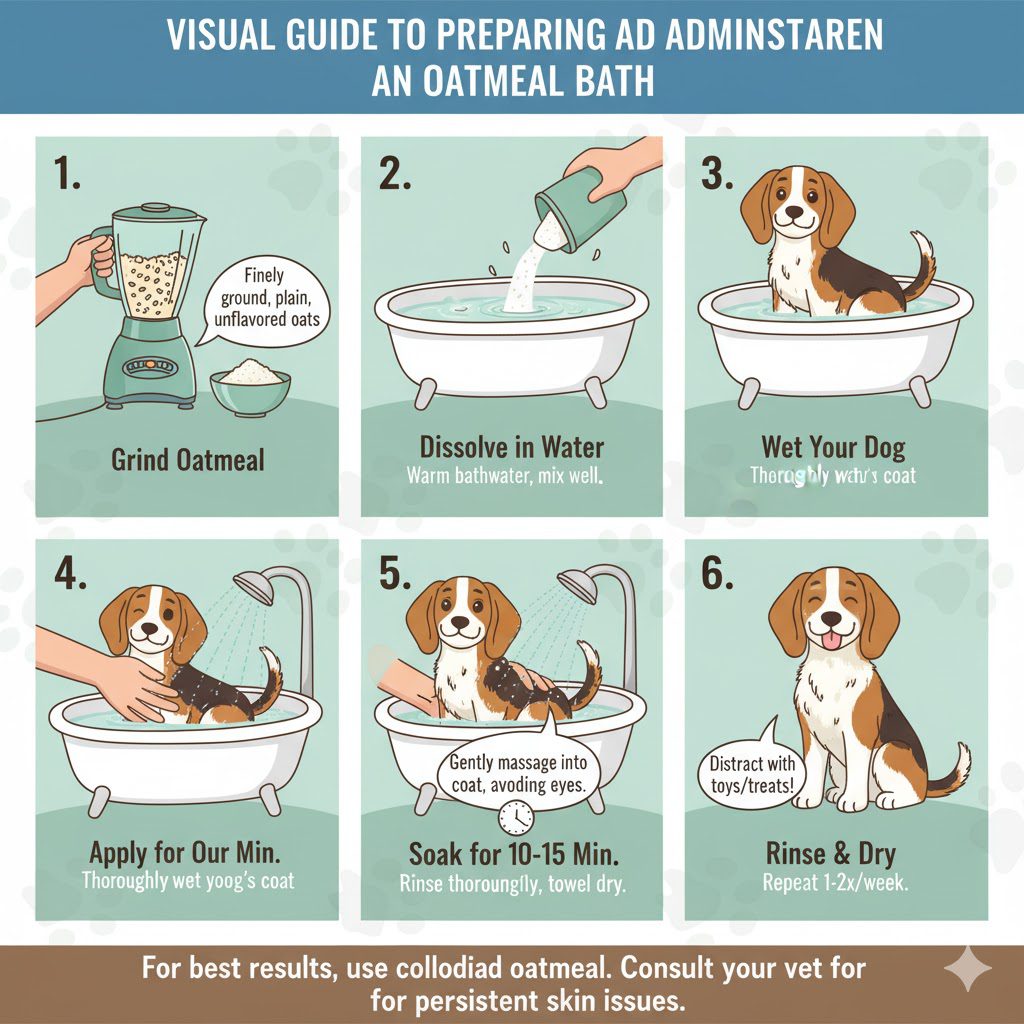
Step 7: Let your dog soak for 10-15 minutes. This contact time allows the oatmeal compounds to penetrate the skin and provide maximum benefit. If your dog won’t tolerate soaking, even 5 minutes provides some relief.
For dogs who hate water, consider letting them stand while you continuously pour the oatmeal water over them, keeping the skin wet for the full 10 minutes.
Step 8: You have two options for finishing:
- No-rinse method: Simply lift your dog out, let excess water drip off, and pat dry with towels. The oatmeal residue left on the skin continues working to soothe and moisturize.
- Rinse method: If you’re combining the oatmeal treatment with regular bathing, you can now apply dog shampoo, work it through the coat, and rinse thoroughly with clean warm water.
Step 9: Dry your dog thoroughly with soft towels using a patting motion rather than vigorous rubbing, which can irritate sensitive skin. Never use a hot air dryer, as heat worsens inflammation.
Step 10: Brush the coat gently once dry to prevent tangles and distribute the oatmeal’s conditioning effects evenly.
Making an Oatmeal Paste for Localized Treatment
For targeted relief on specific itchy spots, paws, or small rashes:
- Mix 2-3 tablespoons of finely ground oatmeal with just enough warm water to form a thick, spreadable paste
- Apply directly to the affected area
- Let sit for 15-20 minutes
- Rinse gently with lukewarm water and pat dry
This method works well for itchy paws after walks, insect bites, or minor rashes.
How Often Can You Give Your Dog an Oatmeal Bath?
For Dogs with Healthy Skin
Monthly oatmeal baths work well as maintenance care. This frequency provides conditioning benefits and removes environmental allergens without stripping natural oils that keep skin healthy. Dogs without active skin issues shouldn’t need more frequent bathing.
For Dogs with Skin Conditions
Under veterinary guidance, dogs with chronic allergies, atopic dermatitis, or persistent itching can safely receive oatmeal baths 2-3 times per week during flare-ups. Once symptoms improve, reduce frequency to once per week, then transition to maintenance bathing every 3-4 weeks.
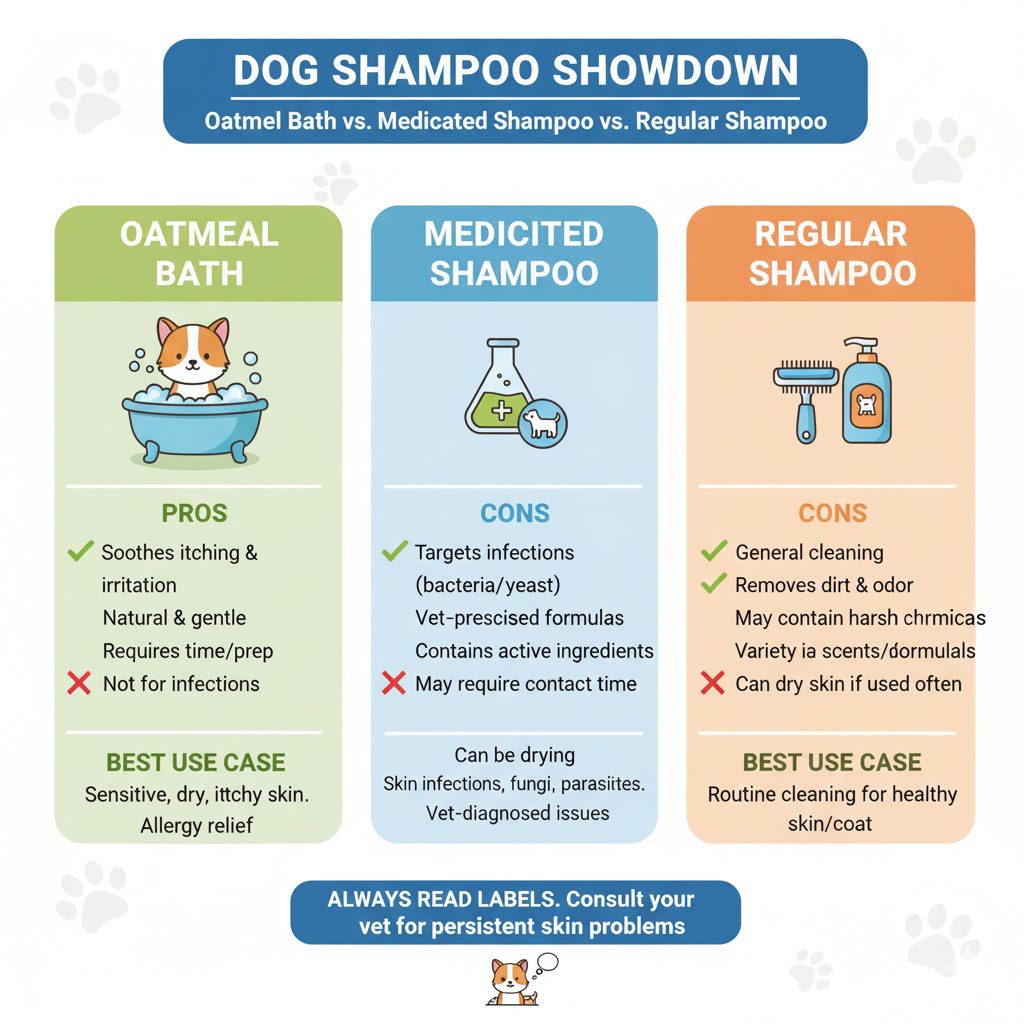
Oatmeal is gentler than medicated shampoos, making more frequent use possible without the drying effects of pharmaceutical treatments.
Seasonal Adjustments
Winter months often require more frequent oatmeal baths due to indoor heating that dries skin. Conversely, dogs may need additional baths during spring and summer when pollen and allergen exposure increases.
Watch your dog’s skin condition rather than following a rigid schedule. If itching returns before the next scheduled bath, move the timeline up.
Signs You’re Bathing Too Often
Even with gentle oatmeal, excessive bathing can backfire. Reduce frequency if you notice:
- Increased flakiness or dandruff
- Dull, brittle coat texture
- More frequent scratching rather than less
- Skin that feels tight or looks reddened
When in doubt, consult your veterinarian about the optimal bathing schedule for your dog’s specific situation.
Which Skin Conditions Benefit from Oatmeal Baths?
Conditions That Respond Well
Environmental allergies: Dogs reactive to pollen, dust mites, or grass benefit significantly from oatmeal baths that remove allergens from the coat while soothing the inflammatory response.
Contact dermatitis: Irritation from carpet cleaners, lawn chemicals, or other environmental irritants improves with oatmeal’s cleansing and protective properties.
Dry, flaky skin: Whether from low humidity, frequent bathing, or aging, dryness responds exceptionally well to oatmeal’s moisturizing effects.
Insect bites: Bee stings, ant bites, or flea bite reactions benefit from oatmeal’s anti-inflammatory compounds that reduce swelling and itching.
Minor hot spots: Early-stage localized irritations can be managed with oatmeal before they progress to infection.
Seasonal itching: Dogs who scratch more during certain times of year often find relief through regular oatmeal bathing.
Conditions Requiring Veterinary Treatment
Oatmeal baths soothe symptoms but cannot cure underlying diseases. These conditions need professional care:
Yeast infections: The distinctive musty odor and brown discoloration require antifungal medications, oatmeal alone won’t eliminate yeast overgrowth.
Bacterial skin infections: Redness, pustules, oozing, or foul smell indicate infection needing antibiotics. Oatmeal can be used alongside treatment but isn’t sufficient on its own.
Severe hot spots: Deep, weeping sores with hair loss require veterinary attention, often including antibiotics and steroids.
Parasites: Fleas, mites, and other parasites need targeted insecticides, oatmeal baths don’t kill parasites, though they can soothe the itching caused by bites.
Hormonal conditions: Cushing’s disease, hypothyroidism, and other endocrine disorders affect skin health but require systemic medication, not topical treatment.
Severe allergic reactions: Hives, facial swelling, difficulty breathing, or widespread welts need immediate emergency care, not home remedies.
Choosing the Right Oatmeal Products
DIY Oatmeal Bath vs. Commercial Products
Homemade oatmeal baths:
- Cost-effective (pennies per bath)
- No added chemicals or fragrances
- Complete control over ingredients
- Requires preparation time
- May clog drains if not ground finely enough
Commercial colloidal oatmeal shampoos:
- Pre-formulated for optimal pH balance
- Convenient, no grinding required
- Often include complementary ingredients like aloe vera or vitamin E
- More expensive
- May contain preservatives or fragrances
Both options work well. Choose based on your dog’s sensitivities, your budget, and convenience preferences.
Red Flags When Buying Oatmeal Shampoos
Avoid products containing:
- Sulfates (SLS, SLES) that strip natural oils
- Artificial fragrances that may trigger allergies
- Parabens and phthalates (hormone disruptors)
- High alcohol content (drying)
- Soap-based formulas (disrupts pH balance)
Look for labels stating “soap-free,” “pH-balanced for dogs,” and “hypoallergenic.”
Top Ingredients to Pair with Oatmeal
Aloe vera: Adds additional soothing and moisturizing properties
Vitamin E: Antioxidant that supports skin healing
Chamomile: Natural anti-inflammatory that enhances oatmeal’s calming effects
Coconut oil: Provides deep moisturization and has mild antimicrobial properties
Green tea extract: Offers antioxidant protection and reduces inflammation
Common Mistakes to Avoid
Myth: More Oatmeal Means Better Results
Reality: Using excessive amounts of oatmeal won’t provide additional benefits and may leave residue that irritates skin or clogs drains. The recommended 1-2 cups per bath is sufficient.
Myth: Hot Water Enhances Oatmeal’s Effects
Reality: Hot water actually worsens skin irritation by increasing inflammation and blood flow to affected areas. Always use lukewarm water that feels comfortable on your inner wrist.
Myth: You Should Rinse Immediately After Application
Reality: The 10-15 minute soak time is crucial for allowing oatmeal compounds to penetrate the skin and provide maximum relief. Rinsing too quickly reduces effectiveness.
Myth: Oatmeal Baths Treat All Skin Problems
Reality: While oatmeal soothes many conditions, it cannot cure infections, kill parasites, or address underlying medical issues. Think of it as symptom management, not disease treatment.
Myth: Any Type of Oatmeal Works the Same
Reality: Instant oatmeal packets often contain added sugars, artificial flavors, and other ingredients unsuitable for dog skin. Always use plain, unflavored old-fashioned or quick oats.
Frequently Asked Questions
Can I use instant oatmeal for my dog’s bath?
Plain instant oatmeal can work, but check ingredients carefully. Avoid any packets with added sugars, artificial flavors, or spices. The pre-processing of instant oats means they’re already partially ground, but you’ll still need to blend them into a fine powder for best results. Old-fashioned or quick oats without additives are the safest choice.
Will oatmeal baths help with my dog’s fleas?
No. Oatmeal baths do not kill fleas or prevent infestation. They can soothe the itching caused by flea bites, but you’ll need veterinary-prescribed flea treatments to eliminate the parasites themselves. Use oatmeal as complementary therapy alongside proper flea control, not as a replacement.
How long does relief from an oatmeal bath last?
Most dogs experience reduced itching for 3-7 days after a single oatmeal bath. The protective barrier formed by oat compounds gradually wears away as your dog sheds skin cells naturally. Dogs with severe allergies may need more frequent treatments, while those with mild seasonal itching might find one bath provides relief for 2-3 weeks.
Can I give my puppy an oatmeal bath?
Yes, oatmeal baths are safe for puppies as young as 8 weeks old. Use slightly less oatmeal (half cup for small puppies) and shorter soak times (5-7 minutes) since young dogs have more delicate skin. Make the experience positive with treats and gentle handling to build good bathing habits.
What if my dog is allergic to oats?
While rare, some dogs can develop sensitivities to oats. Before the first full bath, perform a patch test: mix a small amount of ground oatmeal with water to make a paste, apply to a small area of bare skin (inner thigh or abdomen), and observe for 24 hours. Redness, swelling, or increased scratching indicates sensitivity, discontinue use and consult your veterinarian about alternative treatments.
Should I use warm or cold water for oatmeal baths?
Lukewarm water works best, around 98-100°F, which feels comfortable on your inner wrist or elbow. Cold water won’t properly activate oatmeal’s soothing properties and may cause your dog to shiver and resist bathing. Hot water exacerbates inflammation and itching, making the problem worse rather than better.
Can oatmeal baths replace medicated shampoos prescribed by my vet?
Never substitute oatmeal for prescribed medications without veterinary approval. Medicated shampoos contain specific active ingredients, antifungals, antibacterials, or antiseborrheic agents, that treat diagnosed conditions. Oatmeal provides symptomatic relief and can be used alongside prescription treatments, but it doesn’t replace them.
Will oatmeal residue harm my drain?
Finely ground colloidal oatmeal shouldn’t clog drains when used in recommended amounts. To prevent issues: grind oats to a very fine powder, use the proper quantity for tub size, and run hot water through the drain for 2-3 minutes after bathing. For older plumbing, consider placing a mesh drain cover to catch any particles.
Can I add essential oils to my dog’s oatmeal bath?
Use extreme caution with essential oils around dogs. Many commonly used oils, tea tree, eucalyptus, peppermint, citrus, are toxic to dogs even in small amounts. If you want additional aromatherapy, use only dog-safe options like properly diluted lavender in tiny quantities (1-2 drops maximum in a full tub), but plain oatmeal without additives is safest.
How do I know if my dog needs more than an oatmeal bath?
Seek veterinary care if you notice: persistent itching despite regular oatmeal baths, open sores or wounds, foul odor, yellow or green discharge, hair loss in patches, extreme redness or swelling, or behavioral changes like lethargy or appetite loss. These signs indicate conditions requiring professional diagnosis and treatment.
Can I use oatmeal baths on dogs with open wounds?
Avoid oatmeal baths on open, bleeding wounds or deep cuts. The bath water can introduce bacteria and interfere with healing. For minor scrapes or shallow abrasions, oatmeal paste applied around (not directly on) the wound can soothe surrounding irritation. Deep or infected wounds need veterinary attention, possibly including antibiotics and protective bandaging.
What’s the difference between colloidal oatmeal and regular oatmeal?
Colloidal oatmeal is ground so finely that particles suspend uniformly in water rather than sinking or clumping. This ultra-fine consistency allows oat proteins and compounds to coat skin evenly and penetrate more effectively. You can create colloidal oatmeal at home by grinding regular oats thoroughly in a high-powered blender or coffee grinder.
Conclusion
Oatmeal baths offer proven, affordable relief for dogs suffering from itchy, irritated, or dry skin. The same anti-inflammatory and moisturizing properties that earned FDA approval for human use work equally well on canine skin, without harsh chemicals or expensive prescriptions.
Whether you’re managing seasonal allergies, soothing winter dryness, or providing comfort during allergy season, incorporating regular oatmeal baths into your dog’s grooming routine can dramatically improve their skin health and quality of life.
Remember that persistent skin problems require veterinary evaluation. Oatmeal soothes symptoms but doesn’t cure underlying diseases like infections or hormonal imbalances.
Start with a monthly oatmeal bath for maintenance care. Grind 1-2 cups of plain oats to a fine powder, dissolve in lukewarm bath water, and let your dog soak for 10-15 minutes. Monitor their skin’s response and adjust frequency based on need. Most dogs show noticeable improvement within 24 hours, with effects lasting 3-7 days per treatment.
