

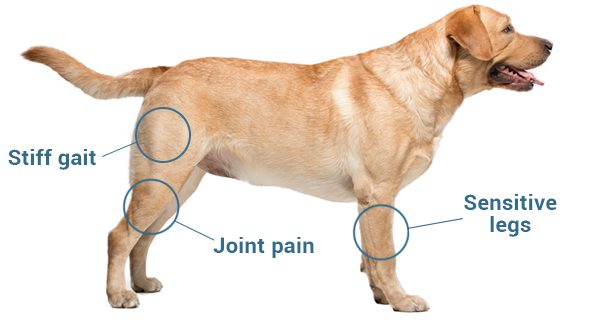
Your dog struggles to climb stairs, hesitates before jumping into the car, or moves stiffly after rest. These aren’t just signs of “getting old” they’re hallmark symptoms of osteoarthritis, a degenerative joint disease affecting one in four adult dogs.
Osteoarthritis in dogs is a progressive condition where cartilage in the joints breaks down, causing inflammation, pain, and reduced mobility. While there’s no cure, modern veterinary medicine offers multiple treatment approaches that can dramatically improve your dog’s comfort and extend their active years. Early intervention makes all the difference.
In this guide, you’ll discover how to spot early warning signs, understand what’s happening inside affected joints, explore evidence-based treatment options from NSAIDs to laser therapy, and learn practical strategies to help your dog maintain quality of life despite arthritis.
Key Takeaways:
- Osteoarthritis affects 25% of dogs at some point in their lives, with senior dogs and certain breeds at highest risk
- Early symptoms include stiffness after rest, difficulty with stairs, and reluctance to jump or play
- Multi-modal treatment combining medication, weight management, and physical therapy produces the best outcomes
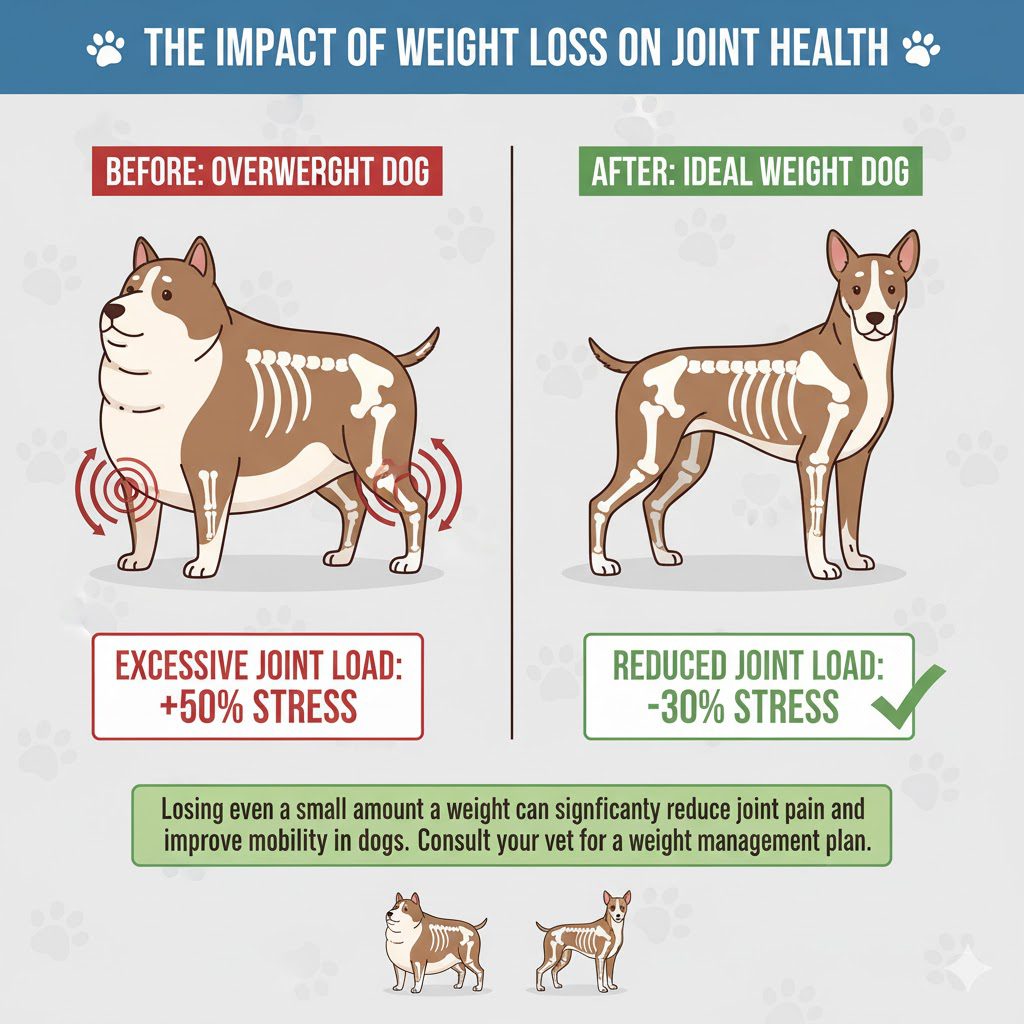
- Maintaining a healthy weight reduces joint stress by up to 50% in overweight dogs
- Most dogs with osteoarthritis can maintain good quality of life with proper veterinary care and management
What Is Osteoarthritis in Dogs?
Osteoarthritis (also called degenerative joint disease) is a chronic condition where the protective cartilage cushioning your dog’s joints gradually deteriorates. As this smooth, slippery tissue breaks down, bones begin rubbing together, triggering inflammation and pain. The body attempts to repair the damage by forming new bone, but this creates stiff, irregular joint surfaces that worsen mobility problems.
Unlike acute injuries that heal with time, canine osteoarthritis is progressive and permanent. The condition typically develops slowly over months or years, though symptoms may appear suddenly after the joint reaches a critical damage threshold. While any joint can be affected, osteoarthritis most commonly impacts the hips, elbows, knees (stifles), and spine.
The disease follows a destructive cycle: cartilage breakdown releases inflammatory chemicals, which cause pain and further cartilage damage. Without intervention, this cycle accelerates joint deterioration. However, proper treatment can significantly slow progression and manage symptoms effectively.
What makes osteoarthritis different from normal aging: While joint wear is natural over time, osteoarthritis involves active inflammation and structural changes that cause clinical pain and disability. Many senior dogs maintain healthy joints well into their teens with proper care.
How Common Is Osteoarthritis in Dogs?
Research published in the Journal of Veterinary Medicine indicates that approximately 25% of dogs will develop osteoarthritis during their lifetime. The prevalence increases dramatically with age studies show that over 80% of dogs over eight years old have radiographic evidence of arthritis, though not all experience clinical symptoms.
Certain factors increase risk substantially:
- Large and giant breeds: German Shepherds, Labrador Retrievers, Golden Retrievers, and Rottweilers face 2-3 times higher risk due to greater joint stress
- Obesity: Overweight dogs develop osteoarthritis an average of 2-3 years earlier than lean dogs
- Joint abnormalities: Hip dysplasia and elbow dysplasia dramatically accelerate cartilage breakdown
- Previous injuries: Cruciate ligament tears, fractures, or joint infections increase arthritis risk 5-10 fold
What Causes Osteoarthritis in Dogs?
Canine osteoarthritis develops through two distinct pathways: primary (age-related wear) and secondary (caused by specific conditions). Understanding which type affects your dog helps guide treatment decisions.
Primary Osteoarthritis
Primary osteoarthritis results from normal wear and tear accumulated over a dog’s lifetime. Years of running, jumping, and playing gradually damage cartilage. This type typically affects older dogs and develops slowly in multiple joints simultaneously. While genetics play a role in cartilage quality and joint structure, primary osteoarthritis has no single identifiable cause.
Secondary Osteoarthritis (Most Common)
Secondary osteoarthritis develops when underlying conditions accelerate joint damage. This type can affect young dogs and progresses more rapidly. Common causes include:
Developmental orthopedic diseases:
- Hip dysplasia: Malformed hip sockets allow abnormal movement and concentrated stress points
- Elbow dysplasia: Multiple conditions (fragmented coronoid process, ununited anconeal process, osteochondritis dissecans) disrupt normal elbow development
- Patellar luxation: Kneecap instability causes irregular cartilage wear
Traumatic injuries:
- Cruciate ligament rupture (ACL tears)
- Joint fractures
- Cartilage damage from impact injuries
- Chronic joint instability from ligament damage
Metabolic and inflammatory conditions:
- Obesity (increases mechanical stress and systemic inflammation)
- Immune-mediated joint disease
- Lyme disease and other tick-borne infections
- Hormonal imbalances affecting cartilage health
Risk Factors for Developing Osteoarthritis
Several factors increase your dog’s likelihood of developing degenerative joint disease:
Breed predisposition: Large-breed dogs like German Shepherds, Labrador Retrievers, Golden Retrievers, Rottweilers, and Bernese Mountain Dogs carry genetic risk. Working breeds that performed intensive physical labor also show higher rates.
Body weight and obesity: Each pound of excess weight places 4-5 pounds of additional pressure on joints. A 2019 study in Veterinary Medicine found that overweight dogs developed arthritis an average of 2.5 years earlier and experienced more severe symptoms than lean counterparts.
Activity level extremes: Both excessive high-impact activity (agility training, repetitive jumping) and sedentary lifestyles contribute to joint problems. Moderate, consistent exercise protects cartilage better than either extreme.
Age: While osteoarthritis can develop in younger dogs with predisposing conditions, risk increases substantially after age seven. The College of Veterinary Medicine reports that 65% of dogs over age seven show some arthritic changes on examination.
Gender: Neutered male dogs show slightly higher osteoarthritis rates in some studies, though the relationship isn’t fully understood. Early spaying/neutering before skeletal maturity may increase developmental orthopedic disease risk.
How to Recognize Signs of Osteoarthritis in Dogs
Dogs don’t show pain the way humans do. Your dog won’t limp dramatically or cry out, instead, they’ll gradually modify behavior to avoid discomfort. This makes early detection challenging but crucial for better outcomes.
Common Symptoms of Osteoarthritis in Dogs
Mobility changes (earliest signs):
- Stiffness after rest that improves with gentle movement (“warm-up lameness”)
- Difficulty rising from lying or sitting positions
- Hesitation before climbing stairs or jumping into vehicles
- Slower walking pace, especially on walks
- Reluctance to use affected leg, favoring opposite side
Behavioral modifications:
- Decreased interest in play, walks, or activities they once enjoyed
- Avoiding stairs, jumping, or running
- Difficulty getting comfortable, frequent position changes while resting
- Irritability or aggression when touched near painful joints
- Withdrawal from family interactions or social activities
Physical changes:
- Visible muscle loss (atrophy) in affected legs
- Swollen or warm joints
- Decreased range of motion in affected limbs
- Abnormal gait (bunny-hopping, limping, or stiff movement)
- Excessive licking or chewing at painful joints
Advanced symptoms:
- Inability to rise without assistance
- Accidents in the house due to difficulty getting outside
- Weight loss or decreased appetite from reduced activity
- Severe lameness or complete avoidance of weight-bearing on affected leg
Symptoms Many Dog Owners Miss
Research shows that 82% of dog owners don’t recognize early arthritis signs. Watch for these subtle indicators:
- Sleeping more: Increased rest periods mask joint discomfort
- Lagging behind on walks: What seems like stubbornness may be pain
- Changed sleeping positions: Difficulty getting comfortable indicates joint discomfort
- Reduced grooming: Unable to reach certain body areas due to stiffness
- Personality changes: Pain makes dogs less patient, more reactive
Why dogs don’t show obvious pain: As prey animals, dogs evolved to hide vulnerability. A dog showing dramatic pain signals is typically in severe distress. Subtle changes require careful observation.
When Different Joints Are Affected
Symptoms vary based on which joints osteoarthritis impacts:
Hip osteoarthritis:
- Bunny-hopping gait (moving both back legs together)
- Difficulty rising from sitting
- Reduced hip extension when walking
- Muscle atrophy in hindquarters
Elbow osteoarthritis:
- Shortened front stride
- Outward rotation of affected paw
- Reluctance to extend front leg fully
- Visible swelling around elbow joint
Knee (stifle) osteoarthritis:
- Hind leg lameness
- Clicking sound during movement
- Difficulty bearing weight on affected leg
- Common after cruciate ligament injury
Spine osteoarthritis:
- Hunched posture
- Reduced flexibility (unable to curl into normal sleeping positions)
- Sensitivity when back is touched
- Coordination problems in severe cases
How Veterinarians Diagnose Osteoarthritis in Dogs
Early, accurate diagnosis enables faster treatment and better long-term outcomes. Here’s what to expect when you suspect your dog has arthritis.
Physical Examination
Your veterinarian starts with a comprehensive physical assessment:
Gait analysis: Watching your dog walk, trot, and turn reveals lameness, stiffness, or compensation patterns. Vets look for shortened stride length, weight shifting, and movement reluctance.
Joint manipulation: The vet gently bends and extends each joint, assessing:
- Range of motion (comparing affected vs. unaffected joints)
- Crepitus (grinding sensation from bone-on-bone contact)
- Joint swelling or thickening
- Pain response when joints are manipulated
- Muscle atrophy around affected joints
Palpation: Feeling joints identifies heat, swelling, or abnormal bone formations. Experienced veterinarians can often determine arthritis severity through careful palpation.
Diagnostic Imaging
X-rays (radiographs): The primary diagnostic tool for osteoarthritis. X-rays reveal:
- Joint space narrowing (cartilage loss creates less space between bones)
- Bone spurs (osteophytes) forming around joint margins
- Subchondral bone changes (increased density beneath damaged cartilage)
- Joint effusion (fluid accumulation from inflammation)
- Abnormal joint positioning or instability
X-rays definitively diagnose osteoarthritis and assess severity, but can’t detect very early cartilage damage before bone changes occur.
Advanced imaging (when needed):
- CT scans: Provide detailed 3D bone structure views, helpful for elbow dysplasia
- MRI: Best for visualizing cartilage, ligaments, and soft tissues
- Ultrasound: Evaluates joint fluid and soft tissue structures
Most cases are diagnosed with physical exam and x-rays alone. Advanced imaging is reserved for surgical planning or unclear diagnoses.
Additional Diagnostic Tests
Joint fluid analysis: In cases where infection or immune-mediated disease is suspected, veterinarians may extract and analyze synovial fluid. This helps differentiate osteoarthritis from other joint conditions.
Blood work: While not diagnostic for osteoarthritis, blood tests establish baseline organ function before starting medications, particularly NSAIDs that require kidney and liver monitoring.
Understanding Osteoarthritis Severity Grades
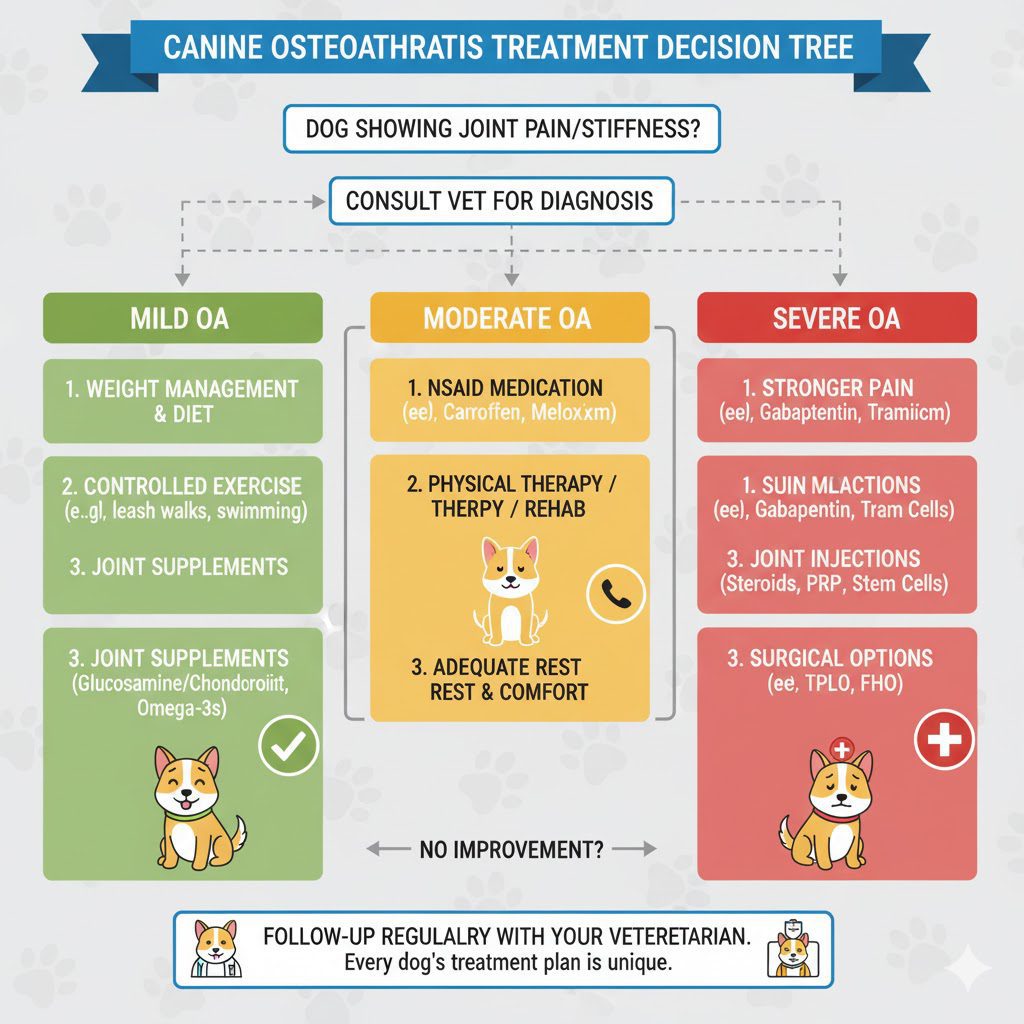
Veterinarians classify osteoarthritis severity to guide treatment:
Mild: Minimal bone changes on x-ray, occasional symptoms, good quality of life with minor modifications
Moderate: Obvious radiographic changes, regular symptoms affecting daily activities, requires consistent management
Severe: Advanced bone changes, significant pain, severely limited mobility, may need aggressive multimodal treatment
Early diagnosis typically means mild-to-moderate disease, where treatment produces the most dramatic improvements.
Treatment Options for Osteoarthritis in Dogs
Successful osteoarthritis management combines multiple approaches. No single treatment controls all symptoms, the best results come from personalized, multimodal plans developed with your veterinarian.
Pain Medication and Anti-Inflammatory Drugs
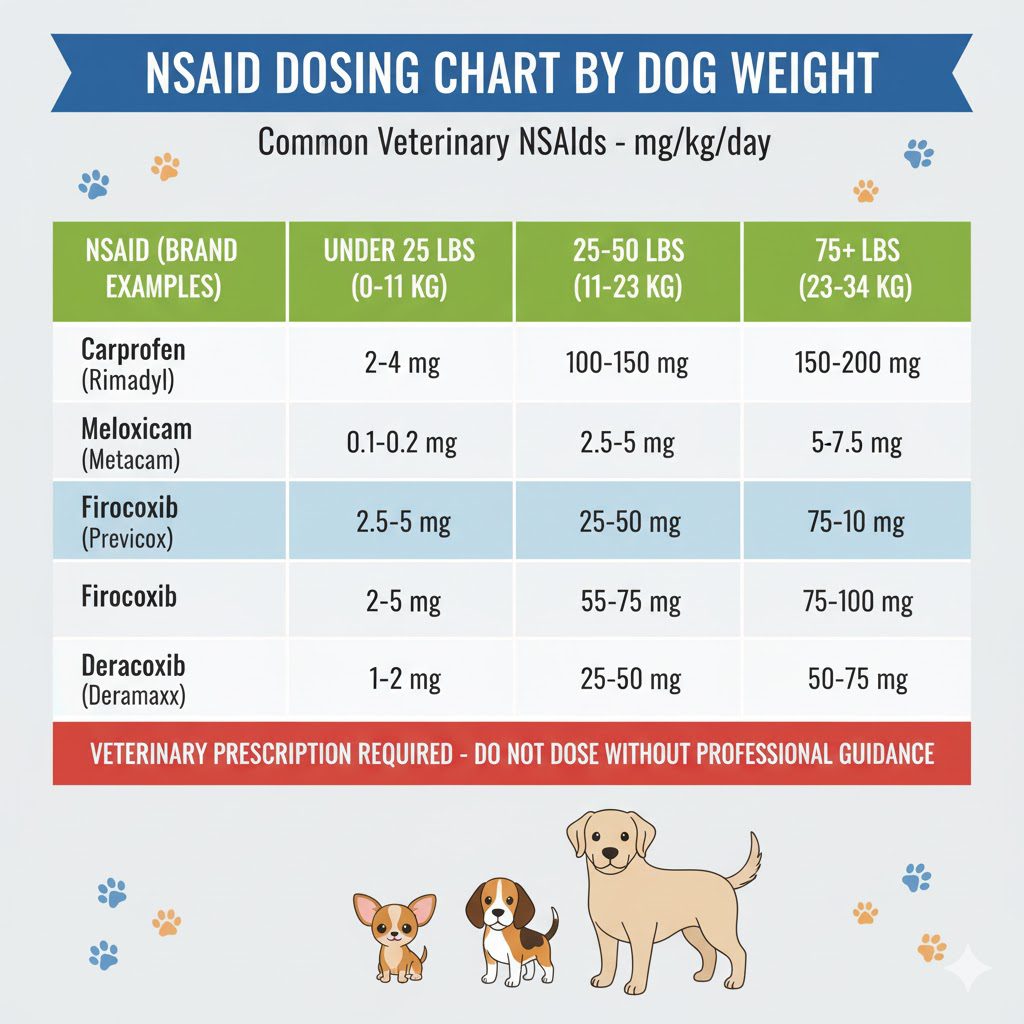
NSAIDs (Non-Steroidal Anti-Inflammatory Drugs): The foundation of osteoarthritis treatment. These medications reduce both pain and inflammation, addressing the underlying inflammatory cycle.
Common veterinary NSAIDs include:
- Carprofen (Rimadyl)
- Meloxicam (Metacam)
- Deracoxib (Deramaxx)
- Firocoxib (Previcox)
- Grapiprant (Galliprant) – newer NSAID with fewer gastrointestinal side effects
How NSAIDs work: These drugs block enzymes (COX-1 and COX-2) that produce inflammatory chemicals called prostaglandins. Reducing inflammation decreases pain and slows further joint damage.
NSAID considerations:
- Require baseline blood work and periodic monitoring (every 6-12 months)
- Most dogs tolerate them well long-term
- Side effects can include gastrointestinal upset, kidney problems, or liver issues
- Never combine NSAIDs or use human medications like ibuprofen—these can be fatal to dogs
- Give with food to reduce stomach irritation
Alternative pain medications:
- Gabapentin: Treats nerve pain associated with arthritis, particularly helpful for spine osteoarthritis
- Tramadol: Opioid pain reliever for moderate-to-severe pain
- Amantadine: NMDA receptor antagonist that enhances other pain medications
- Adequan (polysulfated glycosaminoglycan): Injectable medication that protects cartilage and reduces inflammation
A 2023 study in the Journal of Veterinary Medicine found that dogs on multimodal pain management (NSAID + additional medication) showed 35% better mobility scores than those on NSAIDs alone.
Weight Management and Nutrition
Maintaining a healthy weight is perhaps the most impactful intervention you can control. Excess weight accelerates joint deterioration while adding mechanical stress.
The weight-arthritis connection: Research demonstrates that overweight dogs experience significantly worse osteoarthritis. A landmark study followed Labrador Retrievers for their entire lives, dogs kept at ideal body condition developed arthritis an average of 3 years later than overweight littermates and required pain medication 2 years later.
Weight loss benefits appear quickly: Dogs losing just 10% of excess body weight show measurable improvement in lameness within 60 days. Most dogs reach ideal weight through combined diet changes and appropriate exercise within 3-6 months.
Practical weight management strategies:
- Work with your veterinarian to establish target weight
- Measure meals precisely—free-feeding leads to overconsumption
- Switch to weight management prescription diets designed for satiety
- Limit treats to under 10% of daily calories
- Substitute low-calorie treats (carrots, green beans) for commercial options
- Increase activity gradually as mobility improves
Joint-supportive nutrition:
While omega-3 fatty acids won’t cure arthritis, they provide anti-inflammatory benefits. Studies show dogs receiving omega-3 supplements (EPA and DHA from fish oil) demonstrate improved mobility and reduced NSAID requirements. Recommended dosage: 50-100mg combined EPA/DHA per kilogram body weight daily.
Joint supplements:
- Glucosamine and chondroitin: Building blocks for cartilage repair, most effective when started early
- Green-lipped mussel: Natural source of omega-3s with anti-inflammatory properties
- MSM (methylsulfonylmethane): Sulfur compound supporting joint health
Evidence for supplements remains mixed. The Veterinary Medicine college notes they may provide modest benefits with virtually no side effects, making them reasonable additions to comprehensive treatment plans.
Physical Therapy and Rehabilitation
Canine rehabilitation has evolved dramatically. Professional physical therapy significantly improves mobility, builds supporting muscle, and reduces pain.
Therapeutic exercises:
- Controlled leash walking: Short, frequent walks maintain joint mobility without overexertion
- Swimming and underwater treadmill: Provides resistance training while reducing joint stress by 60-80%
- Range-of-motion exercises: Passive flexion and extension maintain joint flexibility
- Balance and proprioception training: Strengthens stabilizing muscles around joints
Advanced rehabilitation modalities:
Laser therapy (Low-Level Laser Therapy/LLLT): Non-invasive treatment using specific light wavelengths to reduce inflammation and promote healing. Studies show 70% of dogs demonstrate measurable improvement after 6-8 sessions. Most dogs need 2-3 sessions weekly initially, then maintenance treatments every 2-4 weeks.
Acupuncture: Traditional Chinese medicine technique that may reduce pain and improve function. While mechanisms aren’t fully understood, research shows some dogs respond positively, particularly for spine osteoarthritis.
Therapeutic ultrasound: Sound waves deliver deep tissue heating, increasing blood flow and reducing pain.
Hydrotherapy benefits: The buoyancy of water reduces weight-bearing stress while providing resistance for muscle building. A 2022 study found dogs participating in underwater treadmill sessions twice weekly showed 40% improvement in mobility scores over 8 weeks.
Working with certified professionals: Seek board-certified veterinary rehabilitation practitioners (CCRP or CCRT credentials) for best results. These specialists design customized programs addressing your dog’s specific needs.
Lifestyle Modifications and Home Management
Environmental changes dramatically impact your dog’s comfort and independence.
Home modifications:
- Ramps: Replace stairs for accessing vehicles, furniture, or elevated areas
- Non-slip flooring: Area rugs or yoga mats provide traction on slippery surfaces
- Elevated food/water bowls: Reduce neck and shoulder strain during meals
- Orthopedic beds: Memory foam supports joints and reduces pressure points
- Assistance harnesses: Help dogs with severe mobility limitations rise and walk
Activity management:
- Break exercise into multiple short sessions rather than one long walk
- Avoid high-impact activities (jumping, rough play, agility)
- Maintain consistent, moderate activity, both overexertion and inactivity worsen symptoms
- Consider gentler activities like sniffing walks focusing on mental stimulation
Heat and cold therapy:
- Warm compresses before activity increase circulation and flexibility
- Cold packs after activity reduce inflammation (15-20 minutes)
- Heating pads provide comfort but require supervision to prevent burns
Surgical Options
When conservative management fails to maintain quality of life, surgery may be recommended.
Joint replacement: Total hip replacement offers dramatic pain relief and restored mobility for severe hip osteoarthritis. Success rates exceed 90% in appropriate candidates. Cost ranges from $3,500-$7,000 per hip.
Arthroscopy: Minimally invasive procedure to remove damaged cartilage fragments or smooth rough joint surfaces. Most beneficial for elbow dysplasia or early-stage disease.
Salvage procedures: For end-stage arthritis, procedures like femoral head ostectomy (FHO) remove damaged bone, creating a “false joint” from scar tissue. While not restoring normal function, this relieves pain when other options fail.
Stem cell therapy: Emerging treatment where stem cells are harvested from the dog’s fat tissue, processed, and injected into damaged joints. Early studies show promise for reducing inflammation and potentially stimulating cartilage repair. Current evidence remains limited but growing.
Surgery is typically reserved for younger dogs, those with single-joint disease, or cases unresponsive to medical management.
Creating an Effective Treatment Plan for Your Dog’s Osteoarthritis
Successful management requires partnership between you and your veterinary team. Here’s how to develop and implement a comprehensive plan.
Initial Veterinary Consultation
What to prepare:
- Video of your dog walking, rising, and moving at home (behavior differs at the vet)
- List of specific symptoms with onset timing
- Current medications and supplements
- Questions about treatment options and costs
Discussion topics with your vet:
- Severity assessment and prognosis
- Treatment priorities based on your dog’s lifestyle
- Realistic expectations and timelines
- Cost considerations for long-term management
- Monitoring schedule and success metrics
Multi-Modal Approach for Best Results
Research consistently shows combining treatments produces better outcomes than any single intervention. A typical comprehensive plan includes:
Tier 1 – Foundation:
- NSAID or other pain medication
- Weight optimization
- Controlled exercise routine
- Home environment modifications
Tier 2 – Enhancement:
- Physical therapy or rehabilitation
- Joint supplements
- Advanced pain management if needed
Tier 3 – Additional options:
- Laser therapy sessions
- Acupuncture
- Injectable medications like Adequan
- Surgical consultation if appropriate
Your vet may recommend starting with Tier 1 interventions, assessing response over 4-6 weeks, then adding Tier 2 or 3 options as needed.
Monitoring Progress and Adjusting Treatment
Track these indicators:
- Mobility improvements (using stairs, rising ease, walking distance)
- Activity level and engagement with family
- Pain behaviors (stiffness, limping, reluctance to move)
- Medication side effects
Success timeline expectations:
- NSAIDs: Improvement within 7-14 days
- Weight loss: Noticeable benefits after losing 10% excess weight (typically 2-3 months)
- Physical therapy: Gradual improvement over 6-8 weeks
- Supplements: Modest changes after 4-8 weeks (if effective)
When to adjust treatment:
- No improvement after 4 weeks on current plan
- Symptom progression despite treatment
- Medication side effects
- Quality of life declining
Most dogs require treatment adjustments every 3-6 months as the condition progresses. Regular veterinary check-ups (every 3-6 months initially, then every 6-12 months) ensure optimal management.
Long-Term Management and Quality of Life
Osteoarthritis is lifelong, but most dogs maintain good quality of life for years with proper care.
Realistic expectations:
- Pain can be managed but not eliminated completely
- Some mobility limitations are inevitable
- Treatment intensity often increases over time
- Earlier intervention produces better long-term outcomes
Quality of life assessment: Your vet may recommend using standardized quality-of-life scales to objectively track your dog’s well-being. These tools help identify when aggressive treatment adjustments are needed or, in advanced cases, when humane euthanasia should be considered.
Signs your dog maintains good quality of life:
- Interest in food and treats
- Enjoyment of family interactions
- Ability to stand and move without excessive struggle
- More good days than bad
- Responsive to pain management
Financial planning: Osteoarthritis treatment costs vary widely. Budget for:
- Medications: $30-$100+ monthly depending on dog size
- Veterinary monitoring: $150-$300 per visit (every 3-12 months)
- Physical therapy: $50-$100 per session
- Supplements: $20-$60 monthly
- Prescription diets: $60-$120 monthly
Discuss costs openly with your veterinarian. Many effective strategies exist at various price points.
Prevention Strategies: Reducing Osteoarthritis Risk
While some risk factors can’t be changed (breed, genetics), several strategies significantly reduce osteoarthritis likelihood or delay onset.
Maintain Optimal Body Condition Throughout Life
The single most effective prevention strategy is keeping your dog lean. Studies demonstrate that dogs maintained at ideal body condition their entire lives develop osteoarthritis years later than overweight dogs and experience milder symptoms.
Start early: Preventing obesity is easier than treating it. Establish healthy eating and exercise patterns during puppyhood.
Monitor body condition regularly: You should easily feel your dog’s ribs without pressing hard, see a visible waist from above, and notice an abdominal tuck from the side. Most veterinarians use a 9-point body condition scoring system—aim for 4-5/9.
Appropriate Exercise for Life Stage and Breed
Puppy considerations:
- Avoid excessive high-impact exercise until growth plates close (12-18 months in large breeds)
- Limit jumping, repetitive ball fetching, and forced running alongside bikes
- The “5-minute rule”: Exercise puppies for 5 minutes per month of age, twice daily
- Gentle play and varied terrain builds balanced muscle development
Adult dog exercise:
- Maintain consistent, moderate activity rather than “weekend warrior” patterns
- Mix low-impact activities (swimming, walking) with occasional higher-intensity play
- Avoid repetitive motions that stress specific joints
- Monitor for overexertion, rest days matter
Senior adaptations:
- Continue regular, gentle exercise to maintain muscle and joint mobility
- Shorten distance, increase frequency
- Focus on low-impact activities as tolerance changes
Early Treatment of Joint Injuries and Abnormalities
Addressing joint problems promptly prevents secondary osteoarthritis.
Surgical correction of developmental conditions:
- Hip dysplasia: Juvenile pubic symphysiodesis or triple pelvic osteotomy in young dogs can prevent later arthritis
- Elbow dysplasia: Early arthroscopic surgery may slow progression
- Cruciate ligament repair: Stabilization surgery prevents severe osteoarthritis development
Rehabilitation after injury: Proper physical therapy following joint injuries or surgery optimizes healing and reduces osteoarthritis risk.
Genetic Screening and Responsible Breeding
If acquiring a puppy from breeds predisposed to hip or elbow dysplasia:
- Request OFA (Orthopedic Foundation for Animals) or PennHIP certifications for both parents
- Good or excellent hip scores significantly reduce offspring risk
- Responsible breeders screen for genetic conditions contributing to osteoarthritis
Joint Supplements for At-Risk Dogs
Some veterinarians recommend starting glucosamine and chondroitin supplements in younger high-risk dogs (large breeds, dogs with mild hip dysplasia). While evidence for prevention is limited, these supplements have minimal side effects and may provide modest protective benefits.
Living with a Dog with Osteoarthritis: What to Expect
Managing canine osteoarthritis is a journey, not a destination. Understanding what lies ahead helps you provide the best possible care.
Progression and Prognosis
Osteoarthritis worsens gradually over months to years. Progression rate varies based on:
- Severity at diagnosis
- Underlying causes (developmental conditions progress faster)
- Treatment compliance and effectiveness
- Body weight management
- Activity level
What to expect: Most dogs experience slow, steady decline punctuated by periods of relative stability. Weather changes, overexertion, or treatment gaps may cause temporary symptom flares. With consistent management, many dogs maintain acceptable quality of life for 3-7+ years after diagnosis.
Best-case scenarios: Dogs diagnosed early with mild disease, maintained at ideal weight, and receiving comprehensive treatment often live their full expected lifespan with minimal impact on quality of life.
More challenging cases: Severe osteoarthritis in multiple joints, large-breed dogs, or those with poor treatment response may require more aggressive management and face earlier quality-of-life concerns.
The Emotional Journey for Pet Owners
Watching your dog struggle with mobility loss is emotionally difficult. Common feelings include:
- Guilt about not catching symptoms earlier
- Sadness seeing activity limitations
- Anxiety about future decline
- Frustration with treatment costs or effectiveness
These feelings are normal. Focus on what you can control: providing excellent medical care, making thoughtful environmental adaptations, and maximizing good days.
Support resources:
- Veterinary care teams offer guidance and perspective
- Online communities connect you with others managing canine arthritis
- Professional counselors specializing in pet health issues can help process difficult emotions
Celebrating Small Victories
Progress with osteoarthritis is measured in small improvements:
- Climbing stairs with less hesitation
- Increased interest in short walks
- Better sleep comfort
- More playful moments
- Reduced pain behaviors
Acknowledge these wins. They represent real quality-of-life improvements for your dog.
When to Consider Advanced Interventions or Difficult Decisions
Signs more aggressive treatment is needed:
- Current management no longer controls pain
- Inability to perform basic functions (rising, walking, toileting)
- Withdrawn behavior, decreased appetite from pain
- More bad days than good
At this point, discuss surgical options, stronger pain medications, or referral to veterinary pain management specialists.
Quality of life discussions: In advanced cases, some dogs reach a point where even maximal treatment can’t maintain acceptable comfort and function. Your veterinarian can help assess whether your dog still experiences more good moments than suffering. This conversation is never easy, but it’s the final gift you can give a beloved companion, freedom from pain.
Frequently Asked Questions
What are the first signs of osteoarthritis in dogs?
The earliest symptoms include stiffness after resting (especially noticeable when your dog first gets up in the morning), reluctance to climb stairs or jump into vehicles, reduced interest in walks or play, and subtle changes in gait. Many dogs show behavioral changes like sleeping more or becoming less social before obvious lameness develops. These signs are easily missed, which is why regular veterinary examinations become crucial as dogs age.
Can young dogs develop osteoarthritis?
Yes. While osteoarthritis is more common in senior dogs, younger dogs can develop the condition, particularly if they have developmental orthopedic diseases like hip dysplasia or elbow dysplasia, previous joint injuries such as cruciate ligament tears, or obesity. Large-breed dogs may show arthritic changes as early as 2-4 years old if they have underlying joint abnormalities. Early intervention for these conditions significantly impacts long-term joint health.
Is osteoarthritis in dogs painful?
Yes, osteoarthritis causes chronic pain, though dogs are skilled at hiding discomfort. Pain comes from bone-on-bone friction, inflammation, and abnormal joint movement. The level of pain varies based on severity and the number of joints affected. Dogs experience more pain after rest (when joints stiffen) and during activity that stresses damaged joints. Proper pain management with NSAIDs or other medications significantly improves comfort and quality of life.
What’s the best treatment for dog arthritis?
No single “best” treatment exists, multi-modal approaches produce optimal results. Most successful plans combine an NSAID or other pain medication, weight management (critical if your dog is overweight), controlled exercise and physical therapy, home environment modifications, and joint supplements. Your veterinarian will customize treatment based on your dog’s severity, age, overall health, and lifestyle. Treatment typically evolves as the condition progresses, requiring regular adjustments.
How long can dogs live with osteoarthritis?
Most dogs with osteoarthritis can live their full expected lifespan with proper management. The condition itself isn’t fatal, though it progressively limits mobility and comfort. Dogs diagnosed early and receiving comprehensive treatment often maintain good quality of life for 5-10+ years after diagnosis. The key is consistent veterinary care, medication compliance, and lifestyle modifications that keep your dog comfortable as the disease slowly progresses.
Should I stop exercising my dog with arthritis?
No, appropriate exercise remains essential for dogs with osteoarthritis. Movement maintains joint flexibility, strengthens supporting muscles, prevents obesity, and improves overall well-being. The key is modifying activity: shorter, more frequent walks instead of long hikes, low-impact activities like swimming rather than jumping or running on hard surfaces, and consistent moderate exercise instead of occasional intense activity. Discuss an appropriate exercise plan with your veterinarian based on your dog’s specific condition.
Do dog arthritis supplements actually work?
Evidence for supplements like glucosamine and chondroitin is mixed. Some studies show modest benefits, particularly when started early in the disease process, while others demonstrate minimal effect. That said, these supplements have virtually no side effects and reasonable cost, making them a reasonable addition to comprehensive treatment plans. Omega-3 fatty acids have stronger evidence supporting anti-inflammatory benefits. Don’t rely on supplements alone, they work best combined with proven treatments like NSAIDs and weight management.
What foods help dogs with arthritis?
While no specific food cures arthritis, maintaining ideal body weight through appropriate nutrition is crucial. Weight management prescription diets designed for satiety help overweight dogs lose excess pounds, which significantly reduces joint stress. Adding omega-3 fatty acid supplements (fish oil) provides anti-inflammatory benefits. Some prescription joint support diets contain enhanced levels of omega-3s, glucosamine, and chondroitin. Discuss dietary changes with your veterinarian to ensure your dog receives complete, balanced nutrition during weight loss or management.
When should I see a vet for my dog’s arthritis symptoms?
Schedule a veterinary appointment as soon as you notice consistent mobility changes lasting more than 3-5 days. Early symptoms like occasional stiffness, reluctance to jump, or slowing on walks warrant evaluation even if they seem minor. Don’t wait for obvious lameness or inability to walk, early intervention produces better long-term outcomes. Additionally, if your dog is already diagnosed with osteoarthritis but current treatment isn’t controlling symptoms effectively, contact your veterinarian to discuss treatment adjustments.
Can I give my dog human pain medication for arthritis?
Never give dogs human pain medications without specific veterinary direction, many are toxic to dogs. Ibuprofen, naproxen, and aspirin cause serious gastrointestinal bleeding, kidney failure, or death in dogs. Acetaminophen is toxic to dogs and cats. Prescription NSAIDs formulated for dogs are safer and more effective. If your dog needs pain relief, contact your veterinarian for appropriate medications with proper dosing and safety monitoring.
Are certain dog breeds more prone to osteoarthritis?
Yes, certain breeds face significantly higher risk due to genetic predisposition to joint problems. Large and giant breeds are most affected: German Shepherds, Labrador Retrievers, Golden Retrievers, Rottweilers, Bernese Mountain Dogs, and Great Danes all show elevated rates. These breeds commonly develop hip dysplasia or elbow dysplasia, which accelerate arthritis development. Some smaller breeds also have increased risk, Dachshunds face spine arthritis due to their long backs, while Cocker Spaniels and Pugs may develop hip problems. If you have a high-risk breed, proactive measures like maintaining lean body weight and early screening become especially important.
How much does osteoarthritis treatment cost?
Monthly costs vary widely based on treatment intensity and dog size. Basic management (NSAIDs for a medium dog plus supplements) typically runs $50-$150 monthly. Add physical therapy ($200-$400 monthly for weekly sessions), prescription joint diets ($60-$120 monthly), and periodic veterinary monitoring ($150-$300 every 3-6 months). Annual costs commonly range from $800-$3,000+ for comprehensive management. Advanced interventions like surgery increase costs substantially, joint replacement runs $3,500-$7,000 per joint. Discuss budget concerns openly with your veterinarian to find effective strategies within your means. Many practices offer payment plans or can suggest lower-cost alternatives.
Conclusion
Osteoarthritis in dogs is a progressive, painful condition, but it doesn’t mean your dog’s active life is over. With early recognition, comprehensive veterinary care, and consistent management, most dogs maintain good quality of life for years after diagnosis. The key is taking action now, every month of delay allows more joint damage to accumulate.
Focus on what you can control: maintaining your dog’s ideal weight provides massive benefits at minimal cost. Combine this with appropriate pain medication, modified exercise routines, and environmental adaptations. Track your dog’s mobility and comfort levels, adjusting treatment as needed with veterinary guidance.
Remember that small improvements matter. Your dog climbing stairs more confidently, walking an extra block, or showing renewed interest in play represents real quality-of-life gains. These victories are worth celebrating and fighting for.
Start today with these specific steps: Schedule a veterinary examination if you’ve noticed any mobility changes in your dog. If your dog is already diagnosed, assess whether current treatment adequately controls symptoms, if not, contact your vet to discuss adjustments. For overweight dogs, begin precise meal measuring and establish a weight-loss target with veterinary guidance. Finally, make one environmental modification this week, whether installing a ramp, adding non-slip rugs, or switching to an orthopedic bed.