

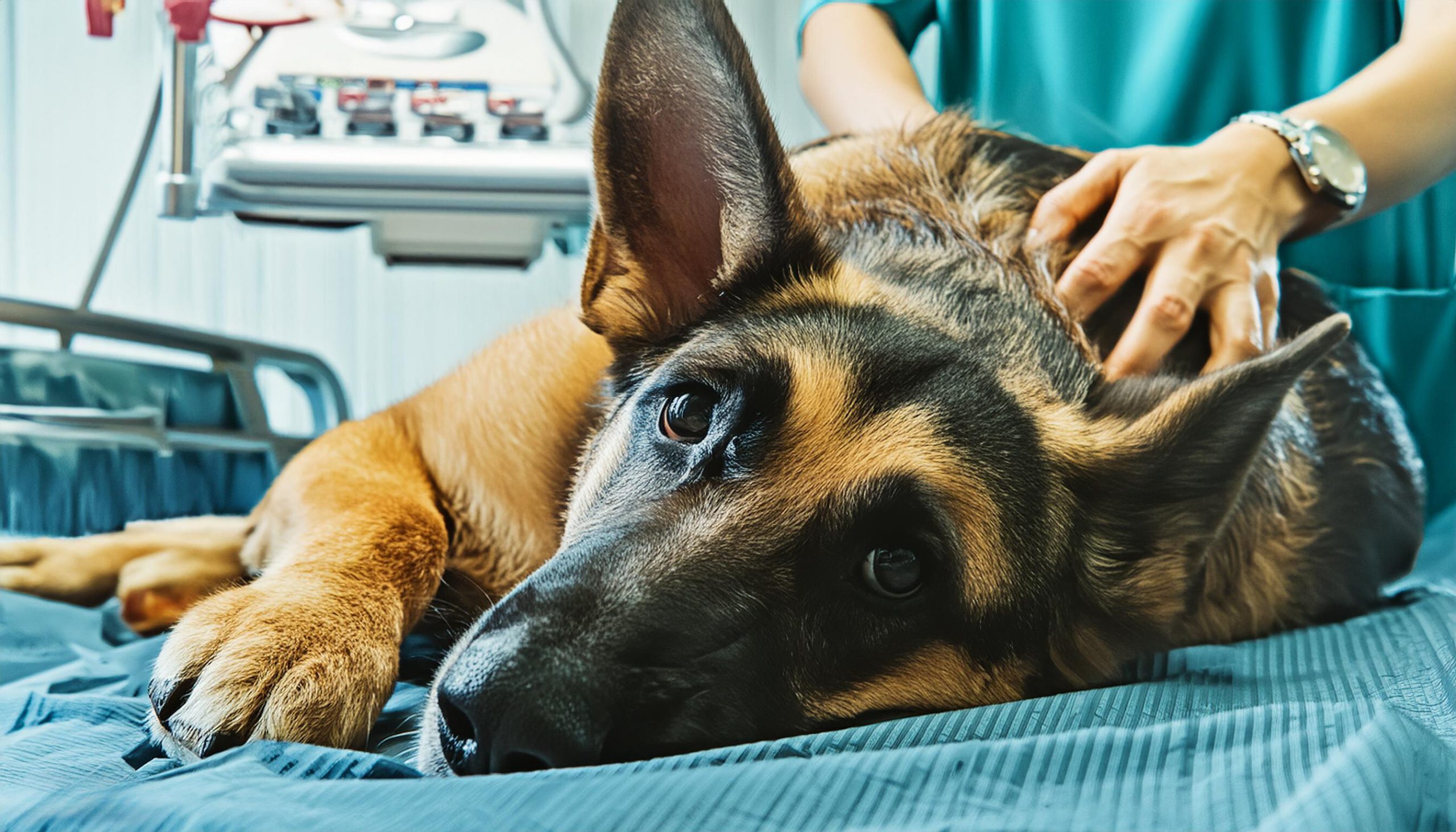
There’s something truly magical about welcoming new life into the world, especially when it comes in the form of adorable puppies! But I know from experience that caring for a pregnant dog can be both exciting and challenging. That’s why I’ve put together this comprehensive guide to help you know how to care for a pregnant dog with confidence.
Remember these key points:
- Be observant of changes in your dog’s behavior and physical appearance that might indicate pregnancy.
- Provide proper nutrition and gentle exercise throughout the pregnancy.
- Prepare a comfortable whelping area well in advance of the due date.
- Be ready to assist during birth if necessary, but allow nature to take its course when possible.
- Offer attentive care to both the mother and puppies in the weeks following birth.
- Always consult with your veterinarian for professional advice and care.
How Can You Tell If Your Dog is Pregnant?
Discovering that your dog is pregnant can be an exciting moment, but it’s not always obvious right away. In my experience, there are several signs and symptoms to watch out for that might indicate your dog is expecting.
Signs of Dog Pregnancy
When it comes to dog pregnancy, the signs can be subtle at first. As someone who’s been through this journey with my own dogs and helped friends with theirs, I’ve learned to spot these telltale indicators:
- Changes in appetite: One of the first things I noticed with my pregnant dog was a shift in her eating habits. Some dogs may experience a decrease in appetite during the early stages of pregnancy, similar to morning sickness in humans. However, as the pregnancy progresses, you’ll likely see an increase in appetite as your dog’s body demands more nutrients to support the growing puppies.
- Weight gain: As the weeks go by, you’ll start to notice your dog putting on weight. This is perfectly normal and necessary for a healthy pregnancy. The weight gain is usually most noticeable in the abdomen area, which will gradually expand to accommodate the growing puppies.
- Changes in behavior: Pregnant dogs often experience mood swings and behavioral changes. My usually energetic Labrador became more lethargic and sought out quiet spaces during her pregnancy. Some dogs may become more affectionate, while others might prefer to be left alone. It’s important to respect your dog’s needs during this time and provide a calm, stress-free environment.
- Enlarged nipples: As your dog’s body prepares for nursing, you may notice her nipples becoming larger and more prominent. This is one of the earlier signs of pregnancy that I’ve observed, often becoming noticeable around 2-3 weeks after conception.
- Nesting behavior: Towards the end of the pregnancy, many dogs will start exhibiting nesting behaviors. My dog began gathering blankets and creating a cozy space for herself. This is a natural instinct as they prepare for the arrival of their puppies.
Common Symptoms When a Dog is Pregnant
In addition to the signs mentioned above, there are some common symptoms that pregnant dogs may experience:
- Morning sickness: Yes, dogs can experience morning sickness too! Some dogs may vomit or show signs of nausea in the early stages of pregnancy. This usually subsides after a few weeks, but if it persists or seems severe, it’s best to consult your veterinarian.
- Increased urination: As the puppies grow and put pressure on the bladder, your dog may need to urinate more frequently. I found that providing easy access to the outdoors and more frequent potty breaks helped my dog during this time.
- Breast development: Along with enlarged nipples, you may notice your dog’s breasts becoming more prominent as they prepare for milk production.
- Clear vaginal discharge: A small amount of clear, odorless vaginal discharge is normal during pregnancy. However, if you notice any discoloration or foul odor, it’s important to contact your vet immediately.
- Decreased energy levels: Many pregnant dogs experience fatigue, especially in the later stages of pregnancy. My normally active dog preferred shorter walks and more nap times as her due date approached.
Diagnosing Pregnancy in Dogs: When to Call Your Veterinarian
While these signs can be strong indicators of pregnancy, the only way to be certain is through veterinary diagnosis. In my experience, it’s best to schedule a vet visit as soon as you suspect your dog might be pregnant. Here’s what you can expect:
- Physical examination: Your vet will perform a thorough physical exam, feeling your dog’s abdomen for signs of pregnancy.
- Ultrasound: This non-invasive test can detect puppies as early as 20-22 days into the pregnancy. I found it incredibly exciting to see those tiny heartbeats on the screen!
- Blood test: Your vet may perform a blood test to check for the hormone relaxin, which is only present in pregnant dogs.
- X-ray: Later in the pregnancy (usually around day 45), an x-ray can confirm the number of puppies and their positioning.
Remember, early detection and proper care are crucial for a healthy pregnancy. Don’t hesitate to reach out to your vet if you have any concerns or questions along the way. In the next section, we’ll explore the timeline of dog pregnancy and what you can expect during each stage.
How Long are Dogs Pregnant?
Understanding the timeline of your dog’s pregnancy is crucial for providing the best care possible. As someone who’s been through this journey, I can tell you that it’s a relatively short but intense period. Let’s break it down:
Dog Gestation Period Explained
The average gestation period for dogs is approximately 62-64 days, or about 9 weeks. However, it’s important to note that this can vary slightly depending on the breed and individual dog. In my experience, smaller breeds tend to have slightly shorter pregnancies, while larger breeds might carry for a few days longer.
It’s fascinating to think that in just about two months, your dog will go from conception to giving birth to a litter of puppies. This rapid development is why proper care and nutrition are so crucial during this time.
What to Expect Each Week of Pregnancy
To help you better understand what’s happening with your dog during pregnancy, I’ve put together a week-by-week breakdown:
| Week | Development | What to Expect |
|---|---|---|
| 1-2 | Fertilization and implantation | No visible signs yet |
| 3 | Embryos begin to form | Possible morning sickness |
| 4 | Embryos develop into fetuses | Nipples may enlarge |
| 5 | Fetal heartbeats detectable | Weight gain begins |
| 6 | Pigmentation appears on fetuses | Noticeable abdominal swelling |
| 7 | Fur starts to grow on fetuses | Increased appetite |
| 8 | Skeletal structure hardens | Nesting behaviors begin |
| 9 | Puppies are fully developed | Preparation for birth |
Tracking Your Dog’s Pregnancy Timeline
Keeping track of your dog’s pregnancy timeline is essential for providing the best care. Here are some tips I’ve found helpful:
- Mark the calendar: If you know the date of breeding, mark it on your calendar and count forward 63 days. This will give you an estimated due date.
- Regular vet check-ups: Schedule regular visits with your vet to monitor the pregnancy’s progress. I found these check-ups reassuring and informative.
- Keep a pregnancy journal: Note any changes in your dog’s behavior, appetite, or physical appearance. This can be helpful for tracking the pregnancy’s progression and for future reference if you plan to breed again.
- Temperature monitoring: In the last week of pregnancy, take your dog’s temperature twice daily. A drop in temperature (below 100°F) often indicates that labor will begin within 24 hours.
- Watch for signs of labor: As you approach the due date, be on the lookout for signs that your dog is ready to give birth, such as restlessness, panting, or nesting behaviors.
Remember, every dog is unique, and pregnancies can vary. Always consult with your veterinarian if you have any concerns about your dog’s pregnancy timeline or progress.
What Care Does a Pregnant Dog Need?
Caring for a pregnant dog requires attention to detail and a bit of extra TLC. In my experience, focusing on nutrition, exercise, and comfort are key to ensuring a healthy pregnancy for your furry friend. Let’s dive into the essential aspects of caring for a pregnant dog:
Feeding Your Pregnant Dog: Nutrition and Diet Tips
Proper nutrition is crucial for the health of both the mother dog and her developing puppies. Here’s what I’ve learned about feeding a pregnant dog:
- Increased calorie intake: As the pregnancy progresses, your dog will need more calories. By the end of the pregnancy, she may need up to 50% more food than usual.
- High-quality dog food: Switch to a high-quality puppy food or a food specifically formulated for pregnant dogs. These foods are higher in protein and calories, which are essential for fetal development.
- Small, frequent meals: As the puppies grow, they’ll take up more space in your dog’s abdomen. I found that feeding smaller, more frequent meals helped prevent discomfort.
- Supplements: Consult with your vet about any necessary supplements. Calcium is often recommended in the later stages of pregnancy and during nursing.
- Fresh water: Always ensure your dog has access to plenty of fresh, clean water. Staying hydrated is crucial during pregnancy.
Here’s a sample feeding schedule I used for my pregnant dog:
| Stage of Pregnancy | Feeding Recommendation |
|---|---|
| Weeks 1-4 | Regular adult food, normal portions |
| Weeks 5-6 | Gradually transition to puppy food, increase portions by 10% |
| Weeks 7-9 | Puppy food, increase portions by 20-30% |
| Post-birth | Puppy food, free feeding or frequent small meals |
Remember, every dog is different, so it’s essential to consult with your veterinarian for personalized nutritional advice.
Exercise Recommendations for a Pregnant Dog
Keeping your pregnant dog active is important, but you’ll need to adjust the intensity as the pregnancy progresses:
- First 4-6 weeks: Continue with regular exercise routines, but avoid strenuous activities.
- Weeks 7-9: Switch to gentle walks. I found that several short walks throughout the day were better than one long walk.
- Avoid overheating: Pregnant dogs can overheat easily, so avoid exercising during the hottest parts of the day.
- No rough play: Discourage jumping, rough play, or any activities that could potentially harm the puppies.
- Listen to your dog: If she seems tired or uncomfortable, let her rest. Every dog’s energy levels during pregnancy are different.
Creating a Comfortable Space: Whelping Box Preparation
Preparing a comfortable space for your dog to give birth is essential. Here’s how I set up a whelping box for my dog:
- Choose the right size: The box should be large enough for your dog to stretch out comfortably, with low sides for her to easily step over.
- Location matters: Place the box in a quiet, warm area of your home, away from drafts and household traffic.
- Comfortable bedding: Line the box with soft, washable bedding. I used old towels and blankets that I didn’t mind getting messy.
- Familiar items: Include some of your dog’s favorite toys or a blanket with her scent to make her feel comfortable.
- Introduce early: Let your dog get used to the whelping box a few weeks before her due date. This will help her feel safe and secure when it’s time to give birth.
This diagram illustrates a basic whelping box setup, including the low entrance for easy access, soft bedding for comfort, and some familiar items to make your dog feel at home.
By focusing on these key areas – nutrition, exercise, and a comfortable whelping space – you’ll be well on your way to providing the best care for your pregnant dog. In the next section, we’ll discuss how to prepare for the exciting moment when your dog gives birth!
How to Prepare for Your Dog to Give Birth
As your dog’s due date approaches, it’s crucial to be well-prepared for the big day. Having gone through this experience myself, I can tell you that being ready can make all the difference in ensuring a smooth delivery process. Here’s what you need to know:
Setting Up the Whelping Area
Creating a safe and comfortable whelping area is essential for both your dog and her puppies. Here’s how I set up mine:
- Choose a quiet location: Select a low-traffic area in your home where your dog can have privacy and feel secure.
- Prepare the whelping box: Place the whelping box in the chosen area. Make sure it’s lined with clean, absorbent bedding that can be easily changed.
- Temperature control: Ensure the room temperature is comfortable (around 70-75°F). Newborn puppies can’t regulate their body temperature, so a warm environment is crucial.
- Gather supplies: Keep these items close to the whelping area:
- Clean towels
- Disposable gloves
- Scissors (to cut umbilical cords if necessary)
- Dental floss (to tie off umbilical cords)
- Iodine solution (to clean umbilical stumps)
- Heating pad or heat lamp
- Puppy milk replacer (just in case)
- Your vet’s phone number
- Prepare a puppy area: Set up a separate area within the whelping box where puppies can be kept warm and safe while mom is resting.
Signs Your Dog is Ready to Whelp
Recognizing the signs that your dog is about to give birth can help you be prepared and alert. Here are the signs I watched for:
- Drop in body temperature: A drop in rectal temperature below 100°F often indicates labor will begin within 24 hours.
- Restlessness and nesting: Your dog may become anxious, pace around, or start arranging her bedding.
- Loss of appetite: Many dogs stop eating 12-24 hours before labor begins.
- Vomiting: Some dogs may vomit as labor approaches due to hormonal changes and anxiety.
- Increased affection or isolation: Your dog may seek more attention from you or, conversely, prefer to be alone.
- Panting and shivering: These can be signs that contractions are beginning.
- Clear vaginal discharge: This is a normal part of the birthing process and may occur several hours before active labor begins.
What to Do When Puppies Arrive
When your dog starts giving birth, it’s important to remain calm and let nature take its course. Most dogs manage the birthing process on their own, but here’s what you should be prepared to do:
- Monitor the progress: Typically, puppies are born every 30-60 minutes, with 10-30 minutes of hard labor for each puppy. If your dog strains for more than an hour without producing a puppy, call your vet.
- Help clear airways: If the mother doesn’t remove the membrane from around the puppy’s face, you may need to step in. Gently tear the membrane and clear any fluid from the puppy’s nose and mouth.
- Watch for the placenta: Each puppy should be followed by a placenta. Count them to ensure none are retained, which can lead to infection.
- Assist with umbilical cords: The mother usually chews through the umbilical cord. If she doesn’t, you may need to tie it off about an inch from the puppy’s body with dental floss and cut it on the far side of the tie.
- Keep puppies warm: Gently dry each puppy with a clean towel and place them near their mother to nurse. If the mother is still in labor, you may need to keep the puppies warm with a heating pad set on low.
- Offer water and food: Once the birthing process is complete, offer your dog water and a small amount of food.
- Clean up: Replace soiled bedding with clean, dry materials.
Remember, while it’s important to be prepared to assist, it’s best to intervene as little as possible unless there are clear signs of distress. Your presence should be calming and supportive.
What to Do After Your Dog Gives Birth?
The moments and days following your dog giving birth are crucial for both the mother and her newborn puppies. Based on my experience, here’s what you should focus on:
Immediate Care for the Mother Dog and Puppies
- Monitor the mother: Watch for signs of exhaustion, distress, or excessive bleeding. Some panting and restlessness are normal, but if you’re concerned, don’t hesitate to call your vet.
- Ensure all puppies are nursing: Within the first hour, all puppies should be nursing. This is crucial for them to receive colostrum, the nutrient-rich first milk that provides antibodies.
- Check for any remaining puppies: Gently palpate your dog’s abdomen to ensure no puppies remain inside. If you suspect there are more, contact your vet immediately.
- Keep the area clean: Change bedding regularly and keep the whelping area clean to prevent infection.
- Maintain a warm environment: Newborn puppies can’t regulate their body temperature, so keep the room warm (around 85°F for the first week).
Post-Birth Veterinary Check-Up
I always recommend scheduling a post-birth check-up with your veterinarian within 24-48 hours after delivery. This check-up is important for several reasons:
- Examine the mother: The vet will check for any signs of infection, retained placentas, or other complications.
- Check the puppies: Your vet will examine each puppy for any congenital defects or health issues.
- Discuss feeding: Get advice on feeding schedules for both the mother and puppies.
- Plan for vaccinations: Discuss the vaccination schedule for the puppies and any boosters the mother may need.
- Address any concerns: This is a great opportunity to ask any questions you may have about caring for the new mother and her litter.
Feeding Your Dog and Her Puppies
Proper nutrition is crucial in the weeks following birth. Here’s what I’ve learned about feeding a nursing mother and her puppies:
- Increase the mother’s food intake: Nursing dogs need significantly more calories. I found that feeding my dog a high-quality puppy food or a food specifically formulated for nursing mothers worked well.
- Offer frequent meals: Feed the mother small meals throughout the day rather than one or two large meals.
- Ensure constant access to water: Nursing mothers need plenty of fresh water to stay hydrated and produce milk.
- Monitor puppies’ feeding: In the first few weeks, puppies should nurse every 2-3 hours. Watch for signs that all puppies are getting enough milk, such as contentment after feeding and steady weight gain.
- Start weaning around 3-4 weeks: Begin introducing puppy food softened with water or puppy milk replacer around this time.
Here’s a sample feeding schedule I used for the mother dog:
| Weeks Post-Birth | Feeding Recommendation |
|---|---|
| Weeks 1-3 | Free-feed high-quality puppy food or nursing mother food |
| Weeks 4-6 | Continue free-feeding, start introducing softened puppy food to puppies |
| Weeks 7-8 | Gradually decrease mother’s food as puppies eat more solid food |
Remember, every dog and litter is different, so always consult with your veterinarian for personalized advice.
This chart provides a visual representation of average puppy weight growth for small breeds over the first 8 weeks. Keep in mind that growth rates can vary significantly between breeds and individual puppies.
Conclusion
Caring for a pregnant dog and her newborn puppies is a rewarding experience, but it requires dedication, preparation, and knowledge. From recognizing the early signs of pregnancy to providing proper care during gestation and after birth, every step is crucial for the health and well-being of both the mother and her puppies.
Whether you’re an experienced breeder or a first-time dog owner facing an unexpected pregnancy, I hope this guide has provided you with valuable insights and practical tips. Every dog pregnancy is unique, so trust your instincts, stay informed, and don’t hesitate to seek help when needed.
If you’re considering breeding your dog or find yourself caring for a pregnant dog, I encourage you to research further, talk to experienced breeders, and maintain a close relationship with your veterinarian. With proper care and attention, you can help ensure a healthy pregnancy and give those adorable puppies the best start in life.
Remember, responsible breeding plays an important role in maintaining the health and well-being of our canine companions. If you’re not planning to breed, consider spaying or neutering your dog to prevent unexpected pregnancies and contribute to controlling the pet population.